- tips & tricks
- |By Ritvars, Last Updated:
14 real ways to make money in fitness (besides coaching)
With over 207,800 fitness clubs worldwide generating $102.2 billion in revenue from memberships alone in 2026, the fitness industry was already massive before online fitness content took off — and it hasn't slowed down since.
The rise of popular health movements like veganism and CrossFit means people are more invested in how they look and feel than ever, and they're managing most of it through their phones. That makes fitness one of the more crowded creator niches, but also one of the most monetizable.
Coaching is the obvious way in, and it's also the most oversaturated. Selling a product instead of your time gets you out of that trap — see high-demand products to sell online for ideas beyond fitness specifically.
We rounded up 14 real ways to make money in fitness without turning every hour into a coaching session. A few of these work especially well if you're a competitive athlete with an audience outside your sport — we've called those out along the way.
1. Sell workout plans
If you want to make money in fitness, selling workout plans is one of the most profitable ways to do it. A workout plan is a digital product — a video series or PDF you build once and sell as a download, over and over, through your own store.
That's the real advantage over coaching: your income isn't capped by your hours. It's capped by how many people want what you made.
Christian Guzman is the clearest proof of this. He built a following of over 700,000 subscribers, then released his signature workout plan, Summer Shredding, as a pay-what-you-want product on Sellfy — with all proceeds going to cancer organizations.
Selling the plan is only half the work. People buy from creators they already trust, so you need that audience in place before you launch. Once you've priced it right, the plan keeps earning for as long as people are buying it — competitive athletes with an existing fanbase are especially well positioned here, since a program built around your own results is proof it works.
Sellfy is the store builder behind 75K+ creators. One flat monthly fee, and no commissions on your sales.
2. Sell instructional videos
Workout plans cover the what and when of training. Instructional videos cover the how: technique breakdowns, drills, and tutorials people can actually follow along with.
Sell sport-specific drills, full training sessions, or form-and-technique tutorials individually or as a bundle. Sellfy supports video-on-demand directly, so you're not stuck posting to a general platform and hoping people find the paid version.
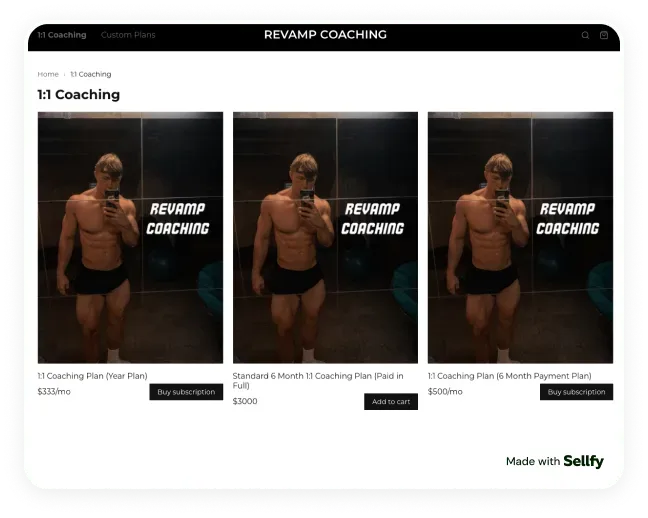
Coach Charlie Caruso runs this exact playbook: free tips on Instagram to build an audience, then structured training programs hosted on Sellfy for the people who want more — 8, 12, 16, and 20-week plans, plus 1:1 coaching subscriptions for anyone who wants hands-on support. Free content builds the audience. The paid video content is where it pays off.
Script and plan your videos before you film. A scrappy video with a clear structure beats a polished one with none.
3. Create a fitness app
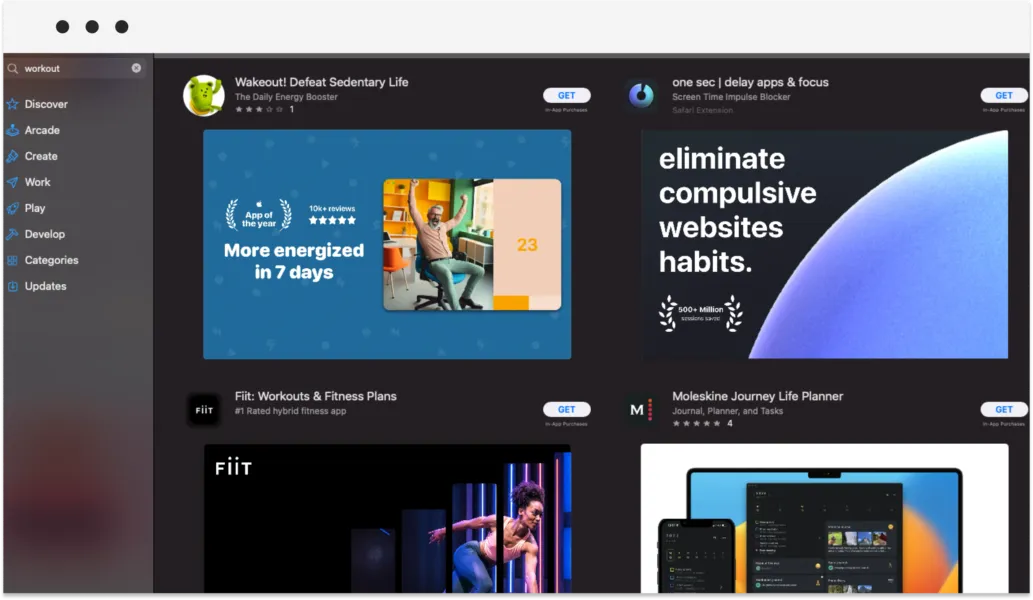
People track and plan their fitness goals from their phones now, and building an app is one way to meet them there. Freeletics, one of the most popular workout apps available, has over 10 million downloads on Google Play alone — proof of how much demand exists for this format.
A fitness app can go in several directions:
- Meal planning
- Custom workouts
- Step tracking
- Membership forums
- Fitness goal tracking
Build one of these in, or combine a few, then monetize through ads, a paid tier, or both.
4. Run paid fitness challenges
A growing number of creators are turning workouts into paid challenges instead of one-off products: a 30-day squat challenge, a spring "shred" program, a themed accountability group with a deadline. People search for ways to get paid to work out — a well-run challenge flips that. Participants pay to join, and the structure and deadline are what actually get them to show up.
Sell a challenge the way you'd sell a workout plan: as a one-time purchase with a start date, or as a subscription with weekly check-ins built in. The subscription model fits especially well here, since the ongoing accountability is the product, not just the workout content itself.
Keep the format simple to start: a plan, a place for participants to check in — a Discord server, a group chat, whatever your audience already uses — and a clear finish line.
5. Sell meal plans and eBooks
Meal plans and eBooks are some of the most in-demand digital products in fitness, especially as more people manage diets like paleo, vegetarian, or macro-based eating on their own. If you have real nutrition or culinary knowledge, this is a natural fit.
You need three things to make a meal plan or eBook worth paying for:
- The content. Customized meal plans or a deep dive on a specific diet — either way, you need real written content. Here's a step-by-step guide to selling ebooks online.
- Real photography. People process food visually before they read a word about it. Hire a photographer if the budget allows, or shoot it yourself with good light.
- A cover that earns the click. what format your eBook cover should even be in.
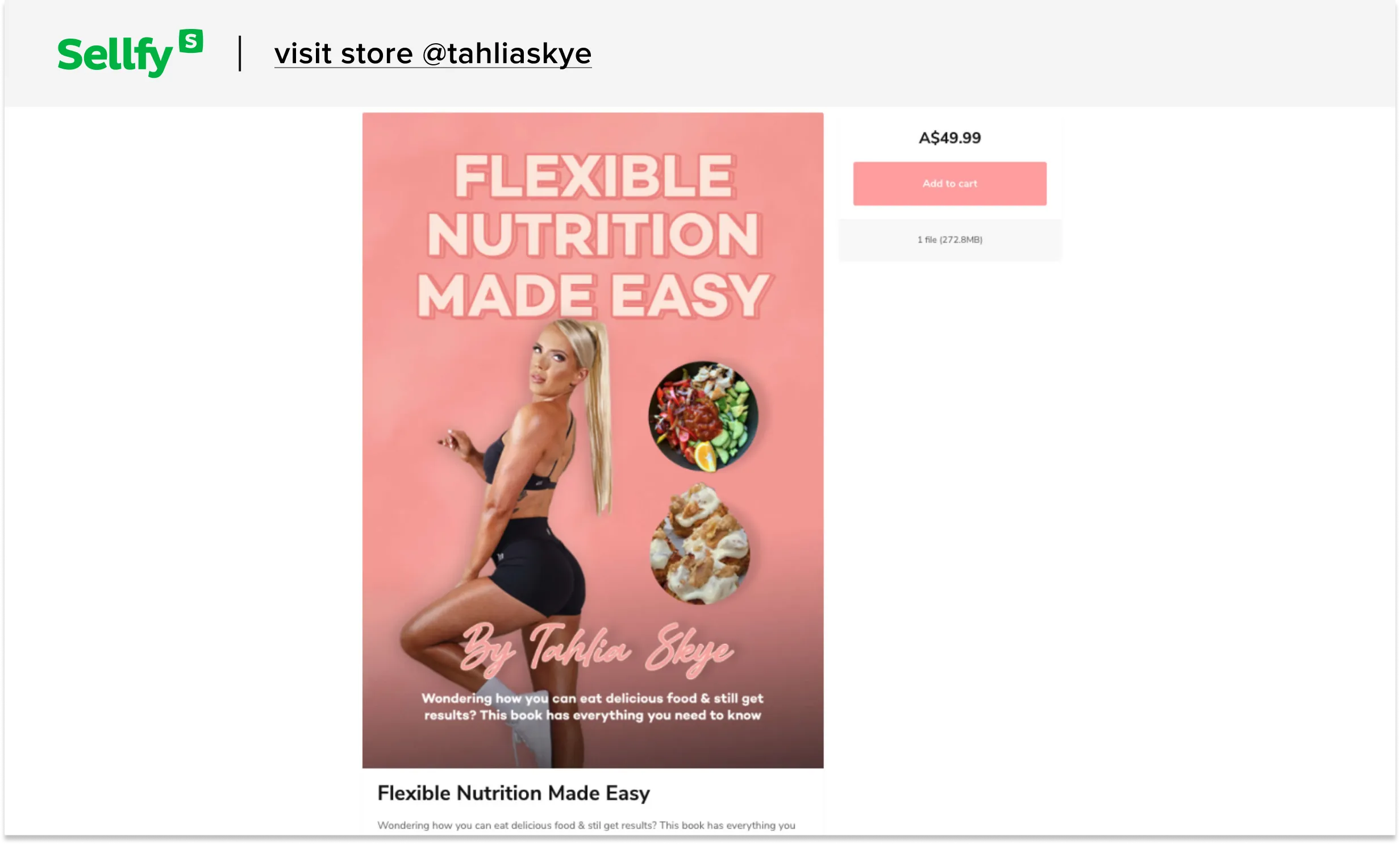
Tahlia Skye's recipe cookbooks are a good example of what this looks like once it's live: focused eBooks, priced and sold directly through her own store.
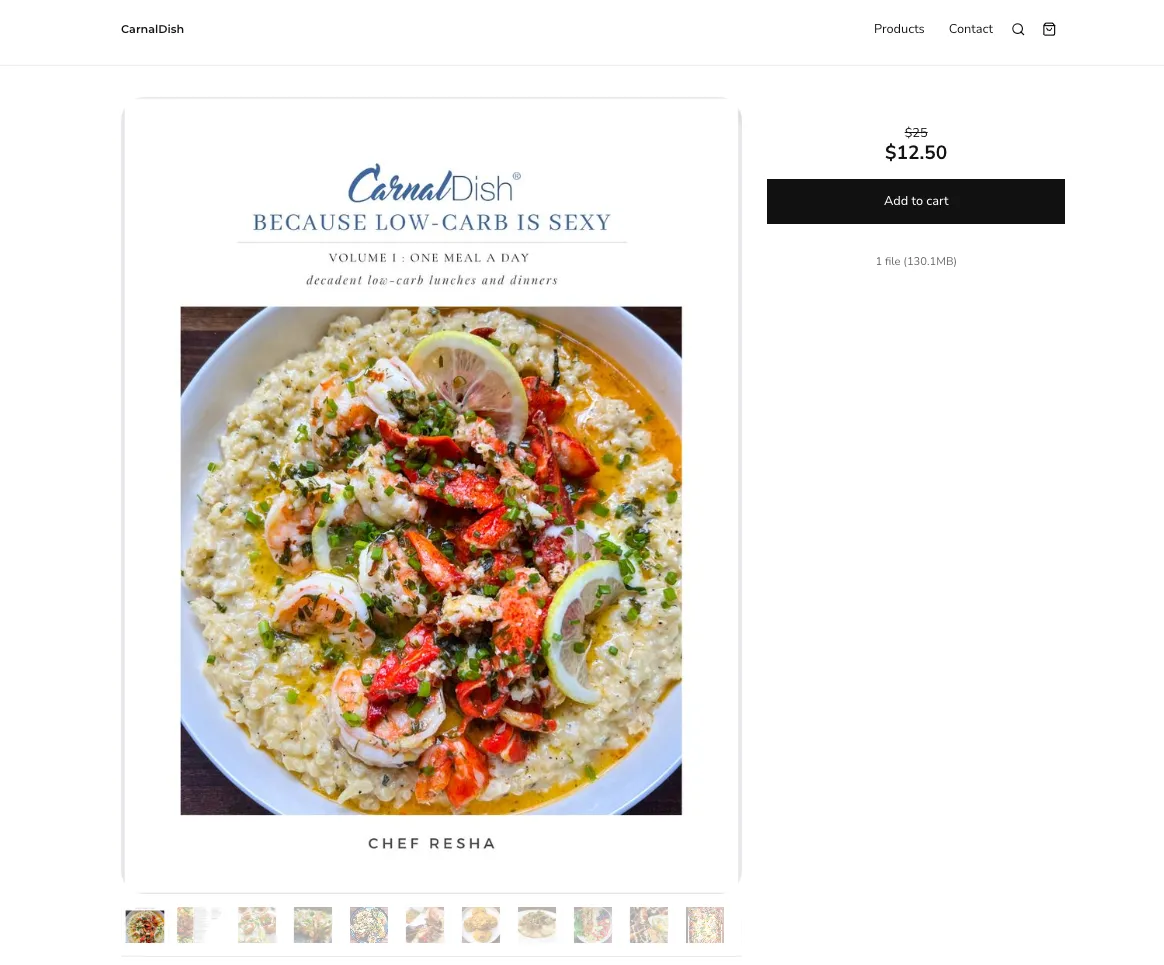
Chef Resha's low-carb cookbook, sold through her CarnalDish Sellfy store, is another: a single 72-recipe eBook, Because Low-Carb Is Sexy, priced at $12.50 and promoted across Instagram, TikTok, and YouTube.
6. Offer custom meal plans and nutrition coaching
A templated eBook and a custom meal plan solve different problems. Custom plans take real time — building something new for each client around their age, weight, training load, and food preferences — but that's exactly why they command a higher price per customer than a one-size-fits-all download.
Tahlia Skye built her nutrition business around this distinction. Instead of one generic meal plan, she designed multiple packages for different customer segments, which let her sell to a wider range of people without diluting any single offer.
If you go this route, relevant nutrition certifications are worth the investment — they build the trust a custom, higher-priced offer needs. Platejoy is a useful reference for how a serious custom meal-planning business is structured, from intake questions to delivery.
Sellfy is the store builder behind 75K+ creators. One flat monthly fee, and no commissions on your sales.
7. Sell fitness products
Gyms aren't the only path to fitness anymore. Home workouts, fitness apps, and digital coaching have created real demand for the gear that goes with them: trackers, resistance bands, exercise balls, foam rollers, jump ropes, fit boards, pre-workout supplements.
Fitbit is proof of how big this category can get: $1.6 billion in revenue in 2017 alone, from a company that started with a single wearable tracker.
Making the product is half the job. Getting it in front of people is the other half. Instagram works particularly well here, since a large share of its users are already part of the health and fitness community — how to sell on Instagram covers the specifics.
8. Sell your own fitness merch
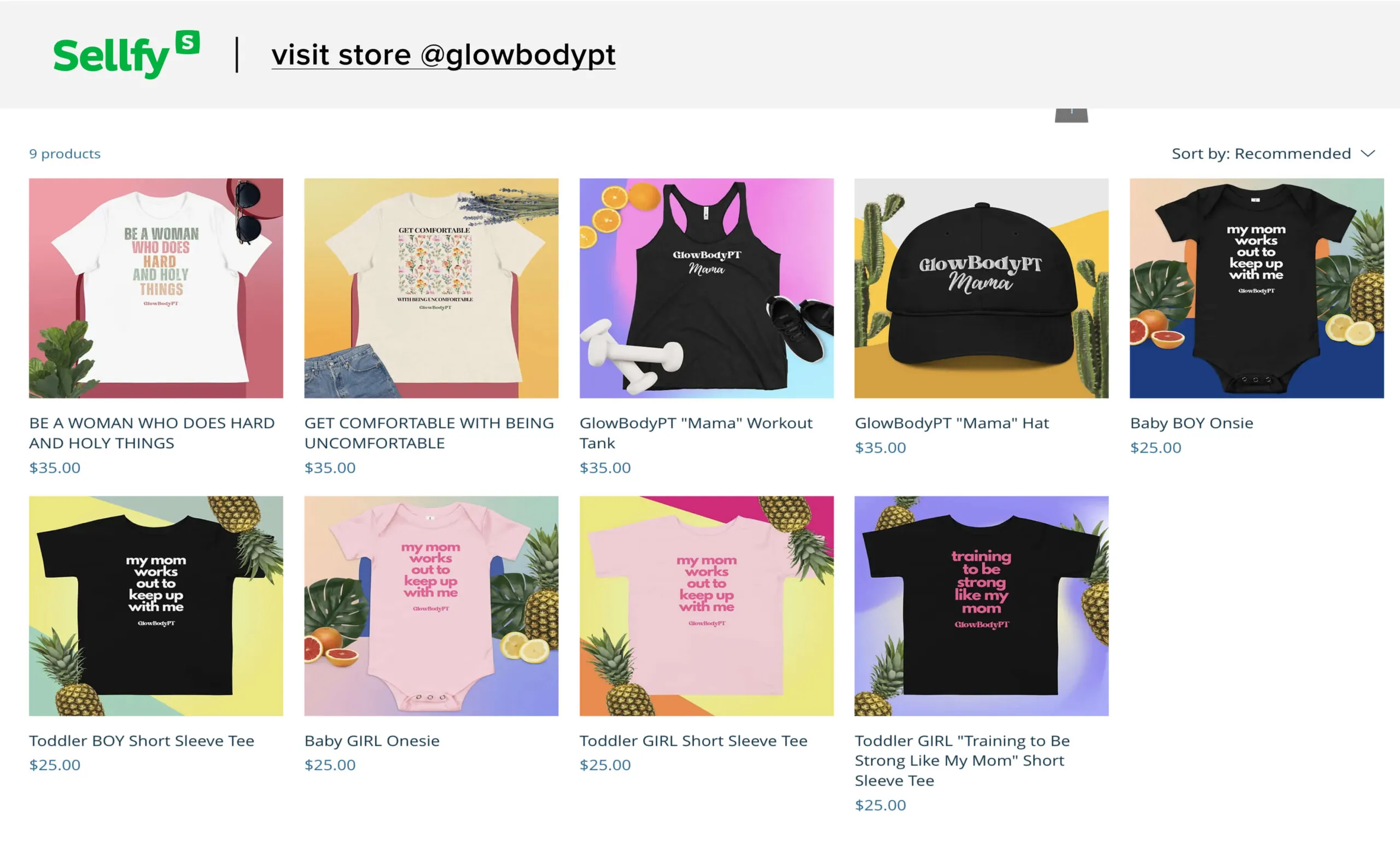
Selling generic fitness gear is one path. Selling merch under your own name is another, and it only works once you already have an audience that wants to represent you, not just use your product.
Apparel, water bottles, yoga mats, branded kits: with print-on-demand, you don't hold any inventory — Sellfy prints and ships each order after it's placed.
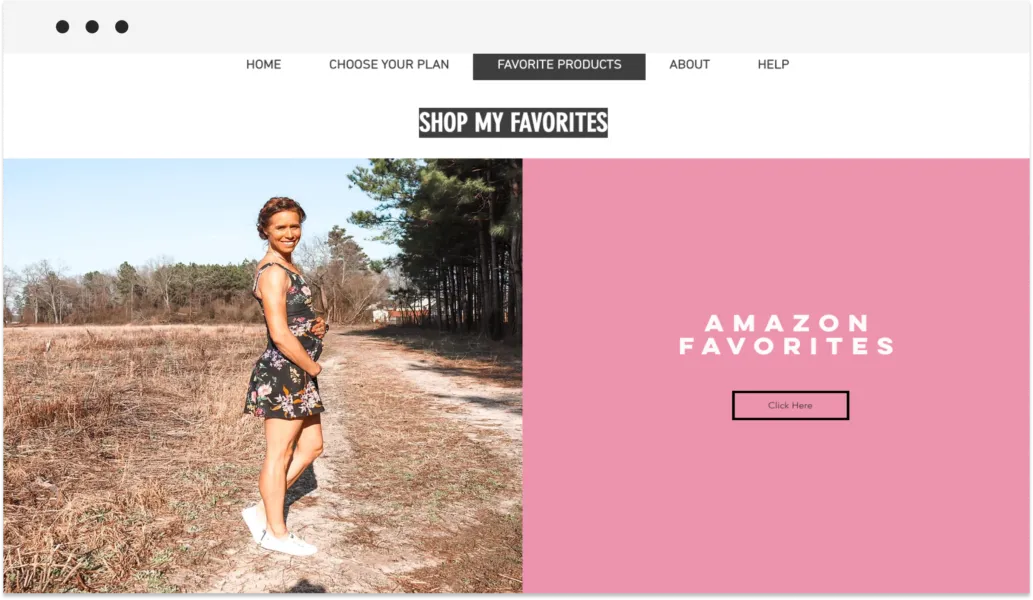
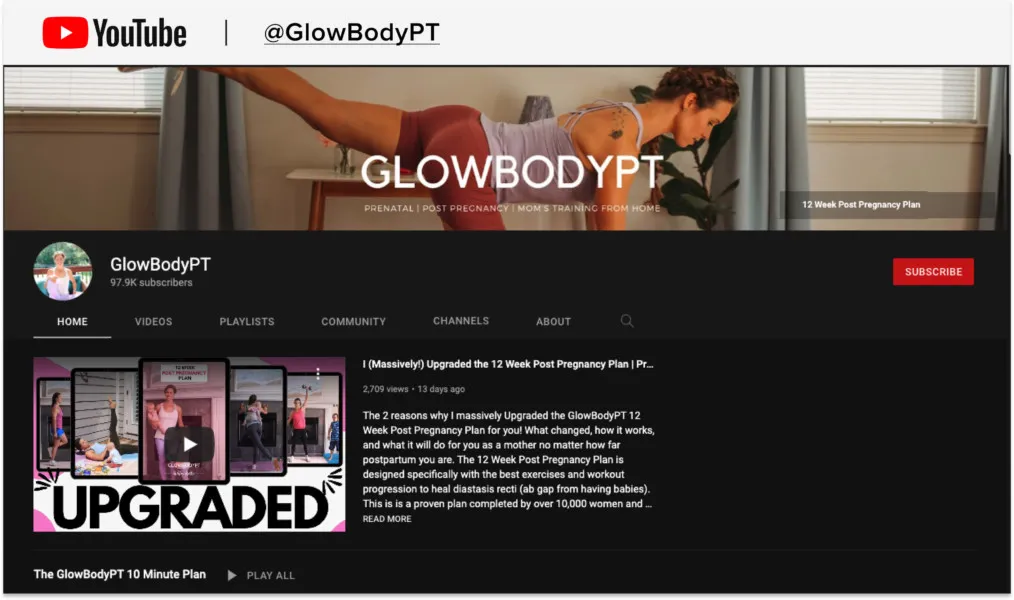
GlowBodyPT is a good example of layering this in rather than starting there. She built her store around fitness plans first, then added print-on-demand merch once she already had an audience buying from her — extra revenue from the same traffic, no new inventory to manage.
9. Affiliate marketing
If you've built a following for any of the products above, that audience is worth something on its own. Brands pay for access to a reputation they'd otherwise have to build from scratch.
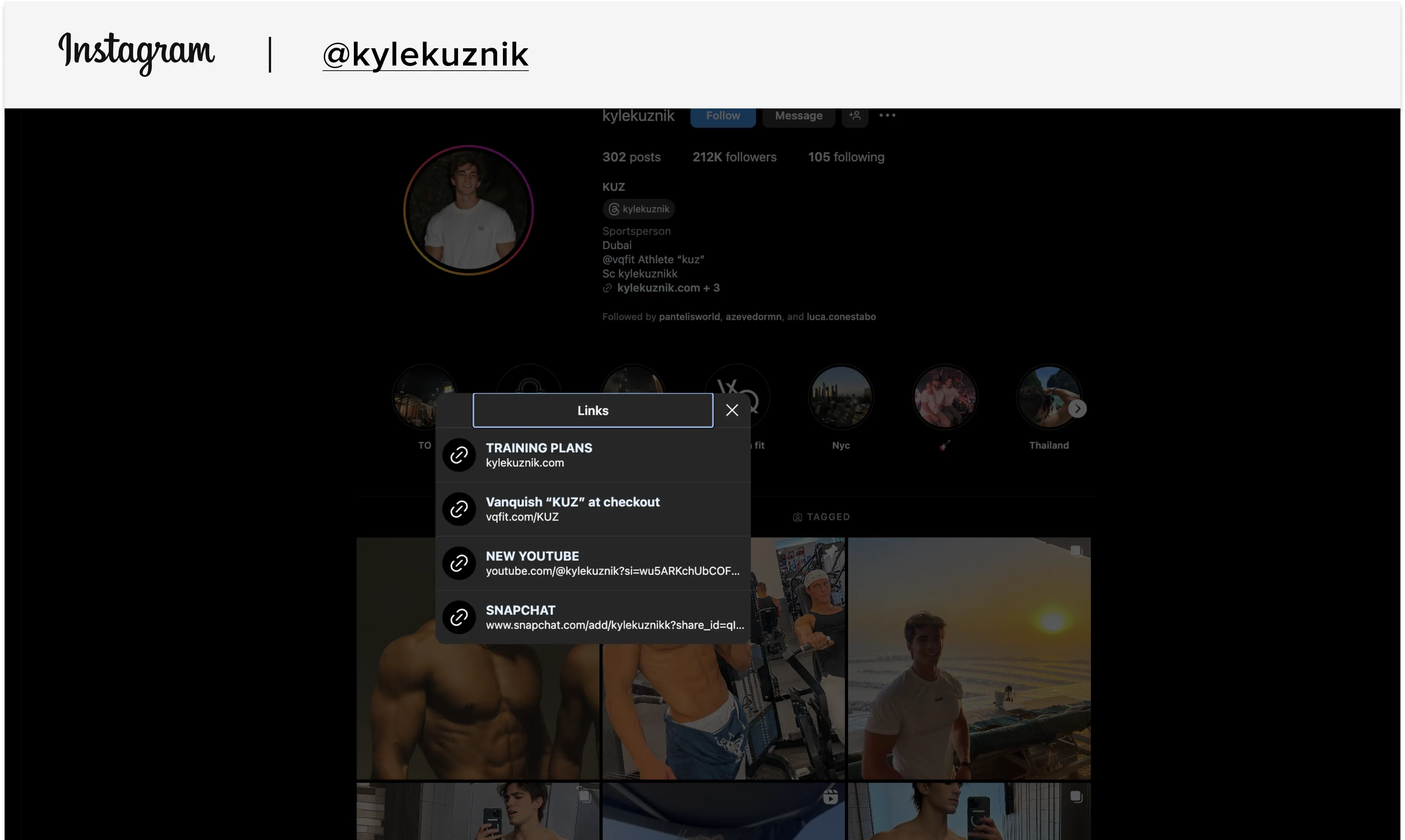
Promote supplements, other fitness courses, or equipment through affiliate links, and you earn a commission — commonly a flat fee, 10–20% per sale, or a mix of both. Kyle Kuznik built this into a real income stream by partnering with Vanquish Fitness, earning commission whenever his audience uses his promo code.
The risk is reputational, not financial: promote something mediocre and it costs you trust with the same audience your other products depend on. Track which links and codes actually convert, and only partner with products you'd genuinely vouch for.
10. Organise fitness seminars
Seminars are one of the more overlooked ways to make money in fitness, and they pay twice: once from the event itself, and again from everything you can do with the recording afterward.
Host your own seminar, or pitch yourself as a speaker at existing trade shows and conferences — both come with built-in publicity. Once it's recorded, that same content becomes marketing material, a way to build brand awareness, or a product to sell through your store.
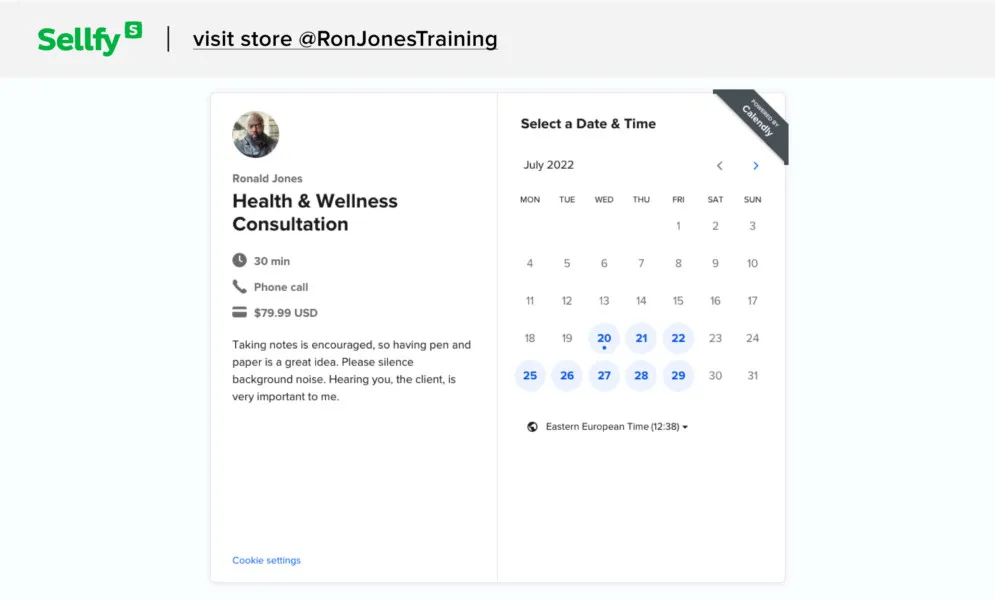
Perform Better runs seminars regularly and publishes highlights from past events, worth a look if you want a sense of what a well-run one looks like before planning your own. Ron Jones runs his own version of this, offering 1-on-1 health and wellness consultation calls through his Sellfy storefront.
11. Ad revenue from YouTube and social media
A large enough following turns into ad revenue on its own, separate from anything you're actively selling. YouTube is the obvious example — partner payouts scale with views — but most platforms now offer some form of creator monetization once you hit their thresholds, so it's worth turning it on everywhere you post, not just your main channel.
Ad revenue alone rarely replaces a full income by itself; it's most valuable as the layer underneath everything else you sell. The free content that earns ad revenue is often the same content that drives people toward your paid workout plans, meal plans, or merch — one upload, two income streams.
12. Become a brand ambassador
A decent following is worth more than most creators realize, and brand ambassador deals are proof. Maryana Dvorska, a fitness YouTuber with over 270,000 subscribers, has landed sponsorships with brands like Gymshark and Women's Best on the strength of her audience alone.
Ambassadors promote a brand across their own channels in exchange for free products, a commission on what they help sell, or a flat rate — sometimes a mix of all three. To get started, build a shortlist of brands that actually fit your audience, then reach out directly to ask about their ambassador programs. Aspire IQ is one platform built specifically to connect ambassadors with brands, if you'd rather not cold-email brands yourself.
Sellfy is the store builder behind 75K+ creators. One flat monthly fee, and no commissions on your sales.
13. Create a blog
A blog is the least immediate option on this list and one of the most durable. Once it's running, it opens up several income streams at once: display ads, paid memberships, brand partnerships, affiliate links, and a direct channel to sell your own products.
It's also a long game. Expect a year or more before it earns real money. Natalie Jill's fitness blog is a useful reference for what a mature, successful one looks like once it's built an audience.
14. Write about fitness
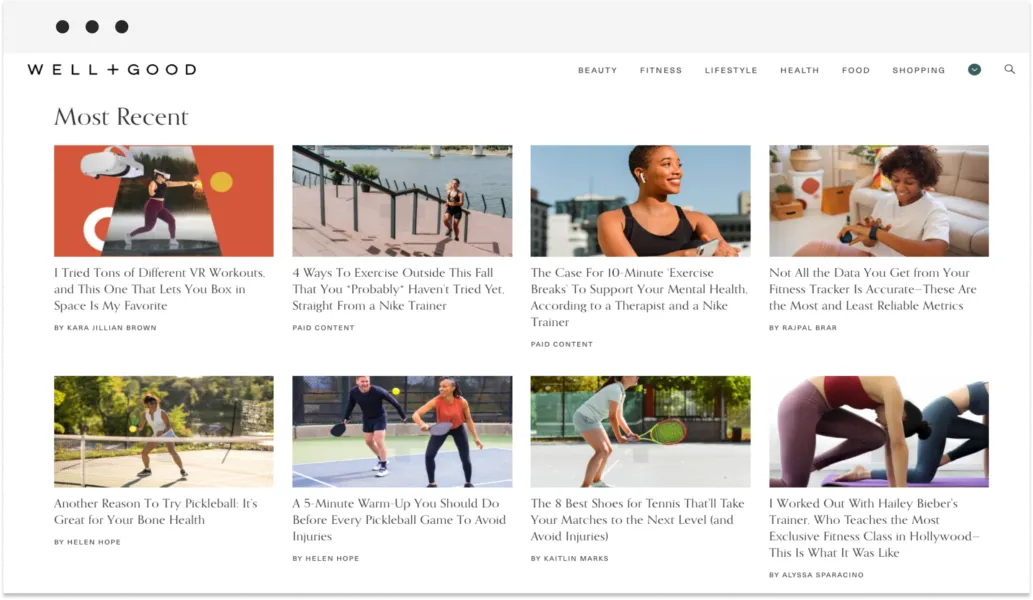
Running your own blog isn't required to get paid for fitness writing. Plenty of publications pay freelancers directly. Fitness writers typically earn $25–$60 an hour, and freelance platforms like Upwork and Fiverr are a fast way into the market while you build a portfolio.
Once you have a handful of published pieces, you can go straight to publications and brands that pay better than marketplace rates.
FAQ: How to make money in fitness
How to make money by selling fitness plans?
You can make money by selling fitness plans through various avenues. Consider creating and selling digital fitness plans, workout guides, meal plans, or online training programs. Platforms like Sellfy offer an easy way to set up an online store to showcase and sell your fitness products to a global audience.
Can I sell workout plans without being certified?
While certifications can add credibility, selling workout plans is generally permissible without specific certifications. However, it's essential to provide accurate and safe information. Focus on showcasing your expertise through success stories, testimonials, and quality content to gain trust and attract customers.
How to make money as a personal trainer?
As a personal trainer, you can earn money through in-person sessions, group classes, or online coaching. Selling digital fitness products like training guides, ebooks, or video tutorials adds a passive income stream on top of that. A platform like Sellfy lets you sell those digital products directly, so you're monetizing your expertise beyond one-on-one training sessions.
Can you get paid to work out?
Not directly from the workout itself, but plenty of fitness creators build paid products around it: workout plans, paid challenges with a start date and a community, instructional videos, or online coaching. The workout is free content. The structure, expertise, and accountability around it is what people pay for.
How can athletes make money outside of coaching and competing?
The same digital-product methods that work for any fitness creator work for athletes with an audience: selling workout or training plans, instructional videos, affiliate partnerships with gear brands, and brand ambassador deals. A platform like Sellfy handles the store, checkout, and file delivery, so the main requirement is an audience, not a certification.

Tips & Tricks
Tips for creators
Join thousands of creators receiving sales tips, marketing resources, and inspiring stories. No spam, pure value.