- tips & tricks
- |By Aleksey Haritonenko, Last Updated:
Pay What You Want Pricing: What It Is and How to Use It for Digital Products
Ever found a digital product you wanted but couldn't afford? Pay what you want pricing gives buyers more say in what they pay. In this guide, we'll look at how it works, when it can help you reach more people, and what sellers can expect.
What does PWYW mean?
PWYW means "pay what you want". Instead of paying a set price, you choose how much to pay. The seller may set a minimum, so you can't always choose just any amount. You might also see PWYW called "name your price" or "pay what you like"—different names for the same idea.
PWYW isn't the same as free. A free product costs nothing. With PWYW, the seller sets a minimum price, and you decide whether to pay that amount or more.
PWYW vs. PWYC: pay what you want vs. pay what you can
Pay what you can (PWYC) asks people to pay according to their means, so price never blocks access. Pay what you want asks them to pay what they think the thing is worth. At checkout the two can look identical. The difference is the promise you make, and who you make it to.
PWYC lives in theatres and community cafés, often as a sliding scale. London's Battersea Arts Centre sells pay-what-you-can tickets, for example. PWYW is common with music, games, and digital downloads: once a digital product is made, the seller can sell more copies without making each one from scratch.
| Pay what you want (PWYW) | Pay what you can (PWYC) | |
| Who sets the price | The buyer, usually above a minimum | The buyer, usually guided by a suggested amount |
| Purpose | Reach, goodwill, finding your price | Access for people who can't pay full price |
| Typical users | Creators, musicians, game bundles | Theatres, community cafés, nonprofits |
| Revenue predictability | Low to medium | Low |
How the pay what you want model works
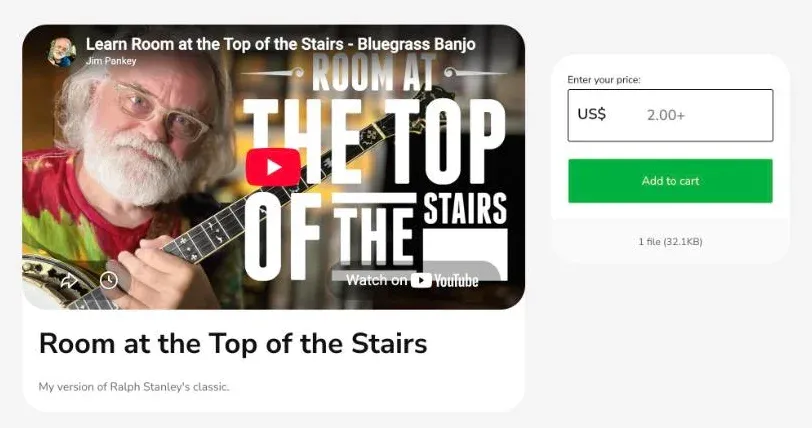
When someone gets to checkout, they can pay the minimum you've set or choose to pay more. You can make the product free, set a minimum price, or suggest a price to help buyers decide what feels right. Three setups cover nearly every case.
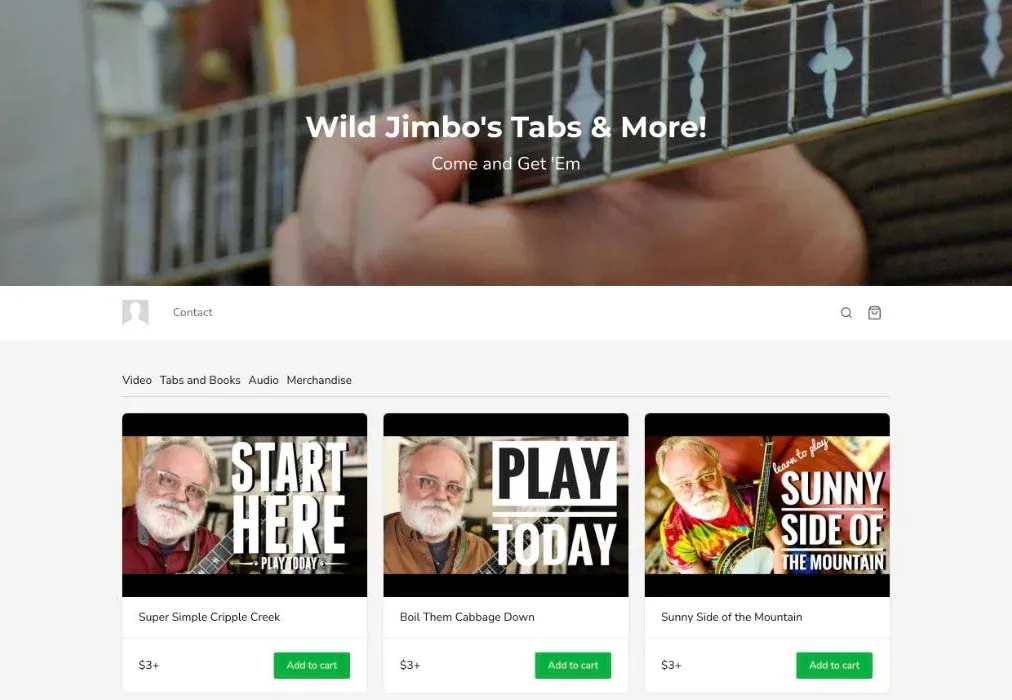
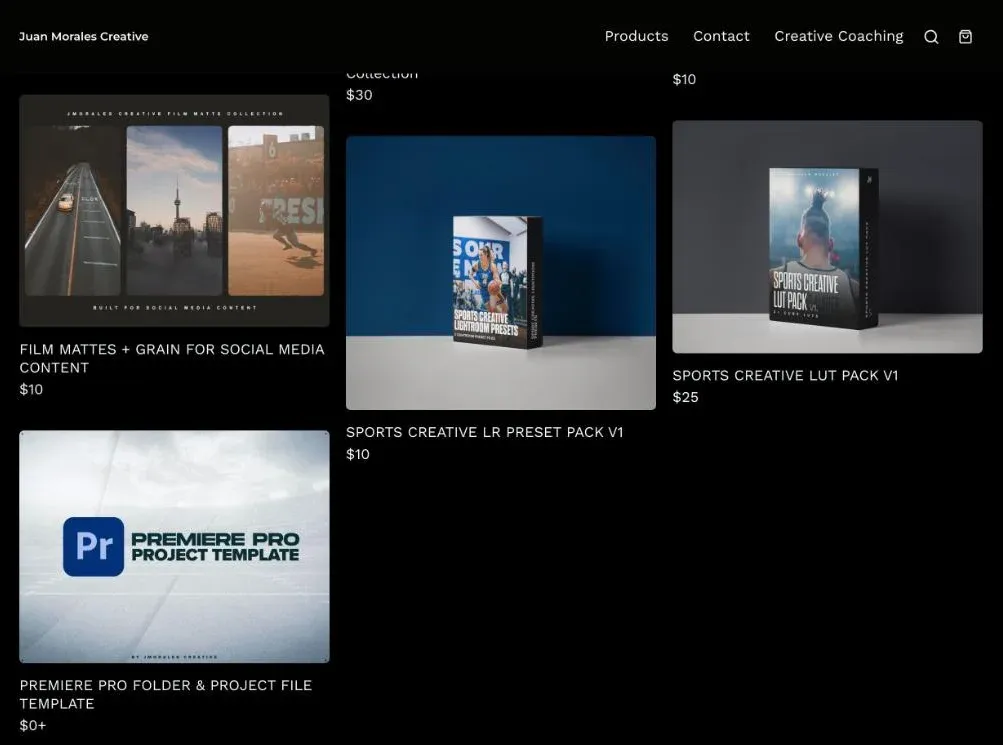
Free floor ($0+). Anyone can download it for free, and anyone who wants to can pay. Videographer Juan Morales keeps $0+ freebies in his store next to LUT packs and presets priced $10 to $30. The freebies make the introduction. The packs make the money.
Minimum price ($X+). Buyers pay at least your number. It protects the floor, which is why most of the stores below use it.
Suggested price. You show what you'd normally charge, as a hint rather than a rule. On Sellfy, the minimum doubles as the default amount buyers see, so if you want a higher anchor, write it into the description.
Does pay what you want pricing actually work?
Yes, but not the way most people hope. Pay what you want usually sells to many more people at a much lower average price. It beats a fixed price when there's a cause attached, an audience that already trusts you, or a clear reason to pay more. Without those, most buyers settle on the minimum.
The study everyone cites is a 2010 field experiment published in Science. Researchers led by Ayelet Gneezy sold souvenir ride photos at an amusement park to 113,047 riders under four rules:
| Pricing rule | Riders who bought | Average paid |
| Fixed $12.95 | 0.50% | $12.95 |
| Fixed $12.95, half to charity | 0.59% | $12.95 |
| Pay what you want | 8.39% | $0.92 |
| Pay what you want, half to charity | 4.49% | $5.33 |
Read the third row again. Almost 17 times as many people bought, and they paid less than a dollar. The fourth row is the useful one: add a cause and the average jumps almost six times. That setup brought in the most profit of the four.
Two years later, the same team found the catch. At a boat-tour photo stand (PNAS, 2012), 64% of people bought at a flat $5, but only 55% bought when they could set the price themselves. Some people would rather walk away than pay an amount that makes them feel cheap.
On Sellfy, fitness creator Christian Guzman offered his workout plan with only an option to donate, all of it going to cancer charities. 62,814 people downloaded it. Only 6.83% paid, roughly 4,300 people, but they averaged $6.26 and raised $26,858. He also had over 700,000 YouTube subscribers at the time, so scale your expectations.
Sellfy is the store builder behind 75K+ creators. One flat monthly fee, and no commissions on your sales.
Why pay more than zero? Nobody wants to be the person who paid $0, and a visible number gives buyers something to aim at. A 2025 review of 106 PWYW studies found that a reference price shown by the seller is the most-studied driver of what people pay.
So, what do these numbers tell us? Pay what you want can bring in more buyers and, with the right setup, more revenue. The strongest results came when buyers had a reason to pay more, such as supporting a cause.
When PWYW pricing makes sense for creators (and when it doesn't)
So when does PWYW make sense for a creator? Use pay what you want on products where reach, goodwill or price data are worth more to you than the money from each sale. Avoid it on anything that costs you real time or pays your bills. In practice, that means a few products in your store, not the whole catalog.
Good fit: new products, lead magnets, audience building, charity drops
- A product you can't price yet. Run it at a low minimum for two weeks. If half your buyers go past $5 on a $3 floor, that's your price talking.
- Lead magnets. A $0+ checklist collects emails like a free one, and some people tip anyway.
- Audience building. If people already get your work free, PWYW lets them pay you back.
- Charity drops. A cause is what lifted payments in both the Science study and Guzman's campaign.
Poor fit: high-ticket products, time-heavy services, your main paid offer
- High-ticket products. If your course is worth $200, PWYW invites buyers to pay your minimum and feel fine about it.
- Time-heavy services. An hour of coaching costs you an hour. A $1 buyer is a real loss.
- Your main paid offer. Keep a fixed price on the product that pays your rent.
Plan for the downsides. Most buyers pay the minimum, so set one you're happy to get. It may be a poor fit for products that take a lot of time to make or provide income you rely on. Revenue gets lumpy. And some people freeze when they have to pick a number, as the boat-tour study showed. One line with your normal price fixes most of that.
Pay what you want pricing examples
The best-known pay what you want examples are Radiohead's In Rainbows, Humble Bundle and Panera Cares. None of them looks like a creator with a few thousand followers, so below them are five Sellfy sellers who use PWYW right now.
Famous examples: Radiohead, Humble Bundle, Panera Cares
Radiohead, In Rainbows (2007). The album went out as a download with an open price box. Comscore estimated that 38% of downloaders paid, averaging £2.47 in the UK. The band called that "wholly inaccurate", and their publisher later said download revenue beat the total sales of their previous album. Either way, it worked for a band that already sold millions of records.
Sellfy is the store builder behind 75K+ creators. One flat monthly fee, and no commissions on your sales.
Humble Bundle (2010 onward). Buyers name a price for a bundle of games or ebooks and split it between creators, charity and Humble. Beating the average price unlocks extra items. The charity side has raised over $250 million.
Panera Cares (2010 to 2019). Five cafés with suggested donations and no cash registers. About 60% paid the suggested amount, 20% more and 20% less or nothing, which brought in roughly 70 to 75% of normal retail. The last café closed in 2019 as "no longer viable". Every meal cost food and staff time. A PDF doesn't.
Creator examples
Stores checked on 22 October 2026. Numbers come from each creator's own Sellfy story.
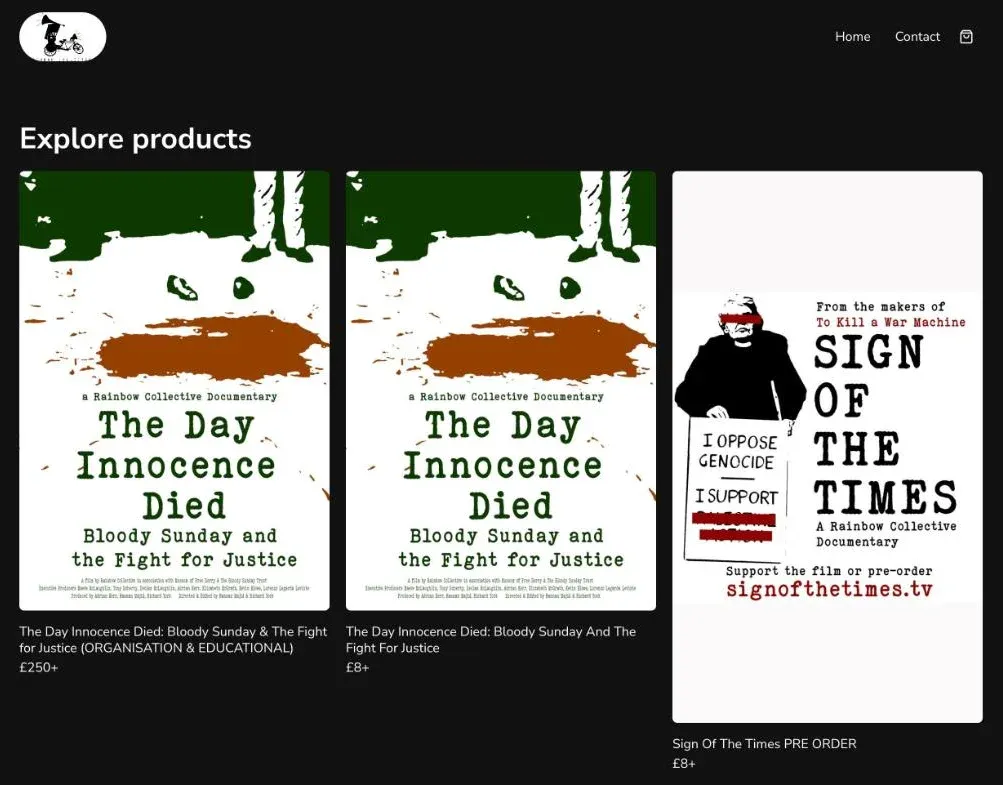
- Rainbow Collective (documentaries). Individual films in their store are PWYW from £1.50+ to £8+; a separate organisational/educational license is priced higher, at £250+. Switching one release to PWYW mid-run made about $35,000 in under 10 days. Their story.
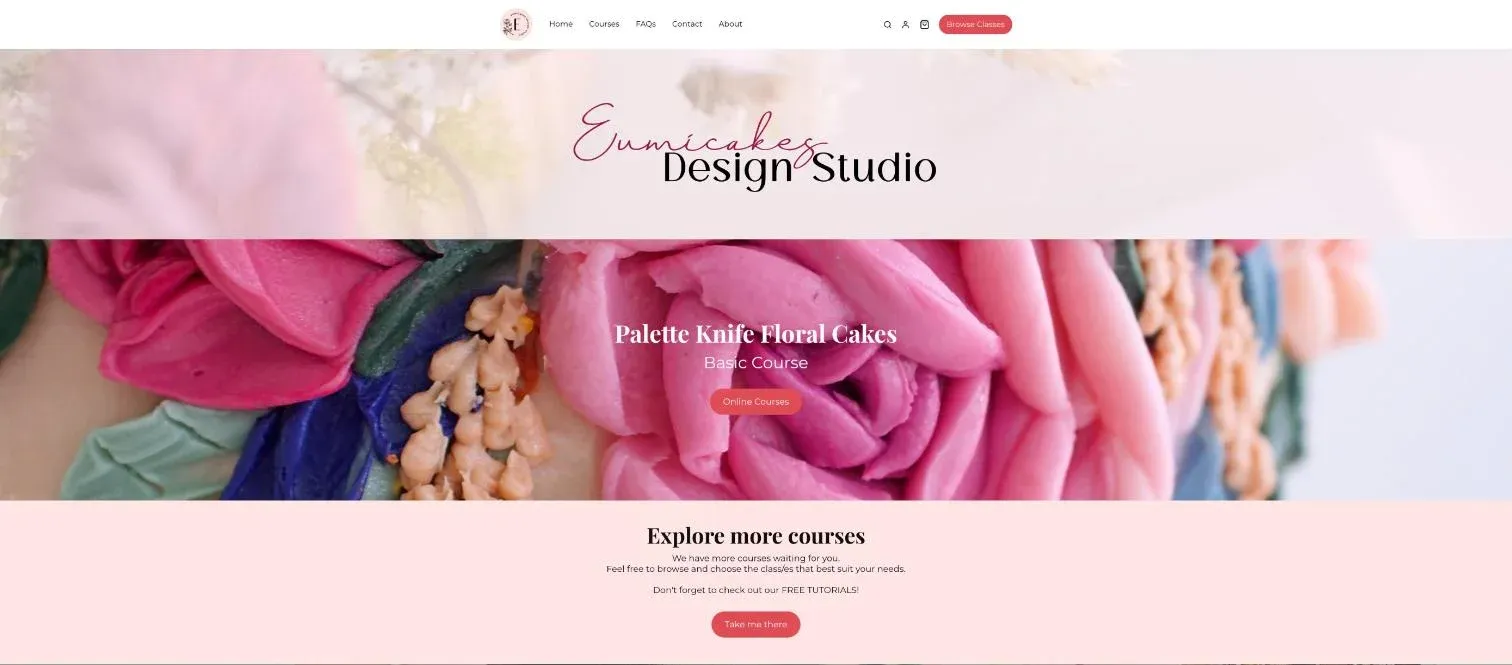
- Eunice, Eumi Cakes (cake-painting tutorials). Her first Sellfy sale was a week-long fundraiser with $5 and $10 minimums that made almost $1,000. She uses fixed prices now, which is a fine way to use PWYW: once, on purpose. Her story.
- Juan Morales (sports videography). The $0+ freebies mentioned above. His story.
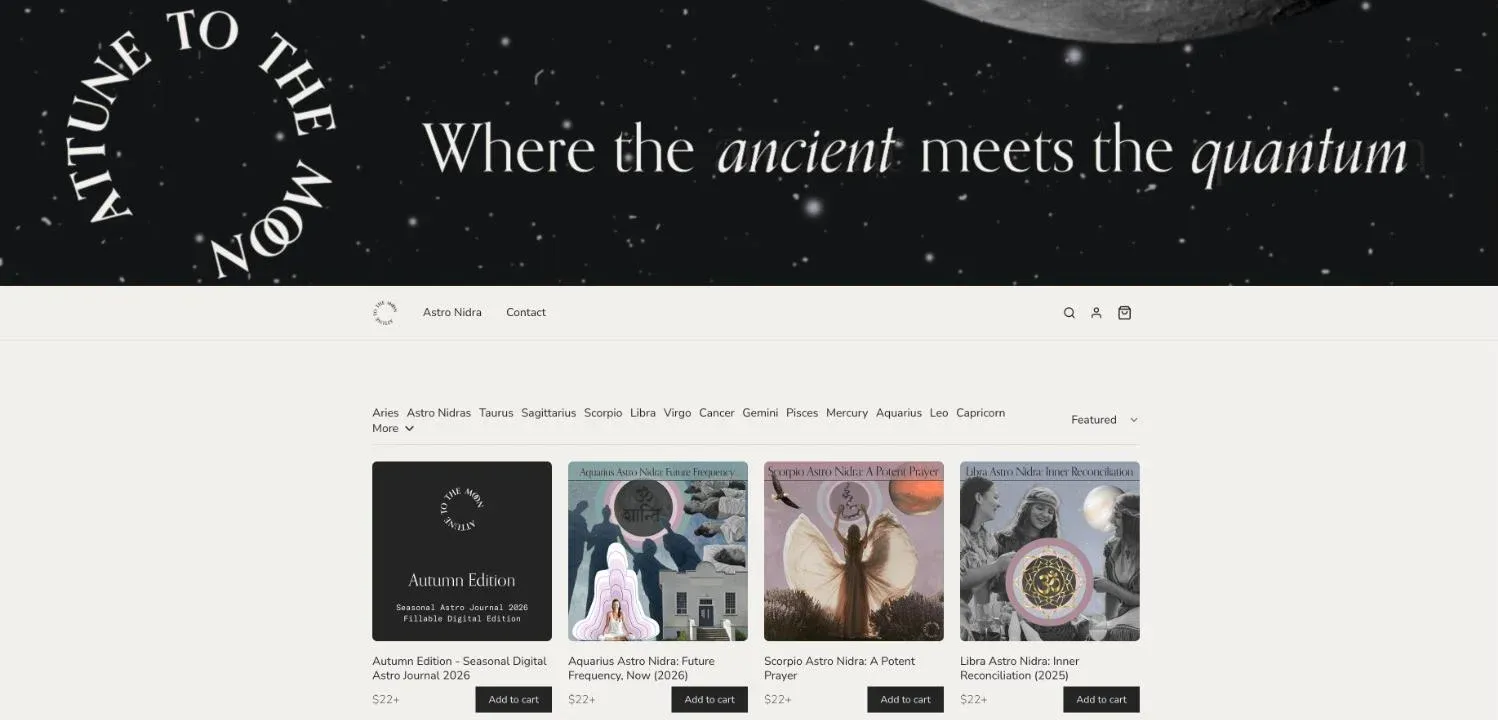
- Attune to the Moon (guided meditations). The whole catalog is PWYW from $22+. A high floor works when buyers already know what they're getting.
None of them got buyers from PWYW itself. They already had people who liked their work, and PWYW let those people pay what it was worth to them.
How to set up pay what you want pricing on Sellfy
On Sellfy, pay what you want is a switch on each product, and the price you set becomes the minimum. It's on every plan, with no app or plugin. Here's the setup:
- Go to Dashboard → Products and open the product.
- Set the price. Buyers will see it as "$X+".
- Scroll to the bottom of the Edit product page.
- Click the Pay what you want switch. It turns from grey to green.
- Save, then check your store in a private window.
The lowest paid minimum is $0.50, which covers transaction fees. Set the price to $0 and the product becomes free with pay what you want on automatically, so people can still tip.
Sellfy is the store builder behind 75K+ creators. One flat monthly fee, and no commissions on your sales.
In practice: a buyer who pays exactly $2 for a $2+ tab costs you about $0.36 in standard card processing (2.9% + $0.30). You keep about $1.64, and Sellfy takes no commission on top. More on choosing a floor in our guide to pricing digital downloads.
5 ways to raise the average PWYW payment
To raise the average PWYW payment, give buyers a number to aim at and a reason to go above it. Presentation moves the average more than the minimum does. All five tactics work on Sellfy, and I flag the ones that need a workaround or a higher plan.
1. Show a suggested price. Sellfy shows your minimum as the default amount, so put your normal price in the description: "Usually $15. Pay $5 or more."
2. Add a bonus above a threshold. Sellfy doesn't unlock files by amount paid, so use two products: a $3+ basic pack and a fixed-price deluxe pack with the extras.
3. Make it time-limited. Turn PWYW on for a launch week, then off. Eunice's one-week fundraiser is the template. A real end date beats "I'll buy it later".
4. Tie part of it to a cause. In the Science study, a charity share took the average from $0.92 to $5.33. Name the charity, state the exact share, and post the total afterwards.
5. Follow up with a paid upsell. PWYW buyers already like your work. Sellfy's checkout upsells are on the Business and Premium plans. On Starter, email your buyers instead.
FAQ
Is pay what you want pricing profitable?
It can be, but usually through volume, not price. In the Science study, pay what you want with a charity link earned the most profit of four setups, while plain PWYW averaged under a dollar. For a typical creator product, a fixed price earns more per sale, so use PWYW where reach or goodwill pays you back.
What's the difference between pay what you want and freemium?
With pay what you want, everyone gets the same product and chooses the price. With freemium, the basic version is free and the full version has a fixed price. You can combine them: a $0+ basic version next to a fixed-price full version, which is tactic two above.
Can I use pay what you want pricing on Shopify?
Not natively. Shopify needs a third-party app for pay what you want, such as Pay What You Want by Extendons, which is free for up to five products, with paid plans from $4.99 a month. On Sellfy, it's a built-in switch on every plan.

Tips & Tricks



Tips for creators
Join thousands of creators receiving sales tips, marketing resources, and inspiring stories. No spam, pure value.