- success stories
- |By Zane Skuja, Last Updated:
Overnight Success Takes 10 Years To Build. Here's How Sports Creative Juan Morales Built His.
Juan Morales had never really picked up a camera until university. What he did know was that he loved two things: sports and storytelling.
That combination has taken the Emmy Award-winning Canada-based photographer, videographer, and creative director further than he could have imagined.
Over the past decade, Juan has gone from shooting university sports to working full-time in the NHL, capturing major sporting events like the Olympics, and building his own creative business alongside his full-time career.
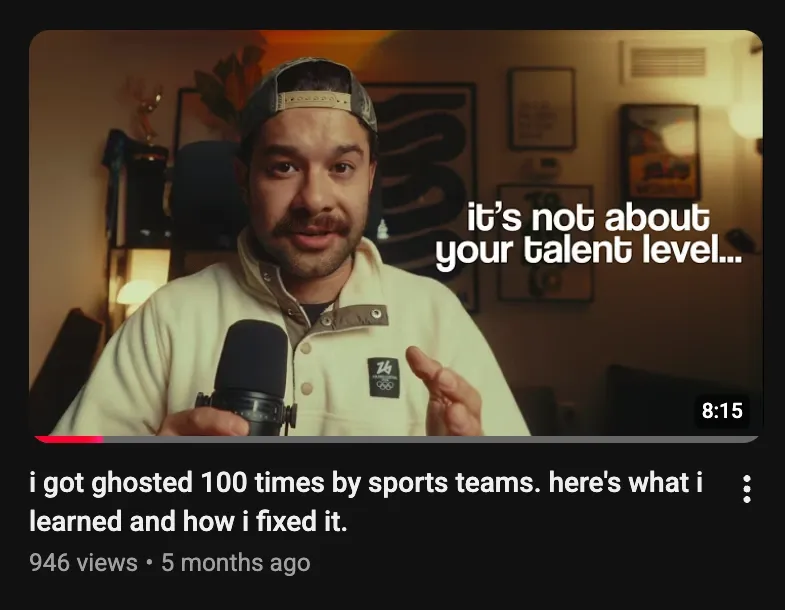
He has built a solid reputation both online and offline, using his social media as an efficient networking tool, with over 21.7k followers on Instagram (@77jmorales) and 11.6k subscribers on his YouTube channel (@JuanMoralesCreative).
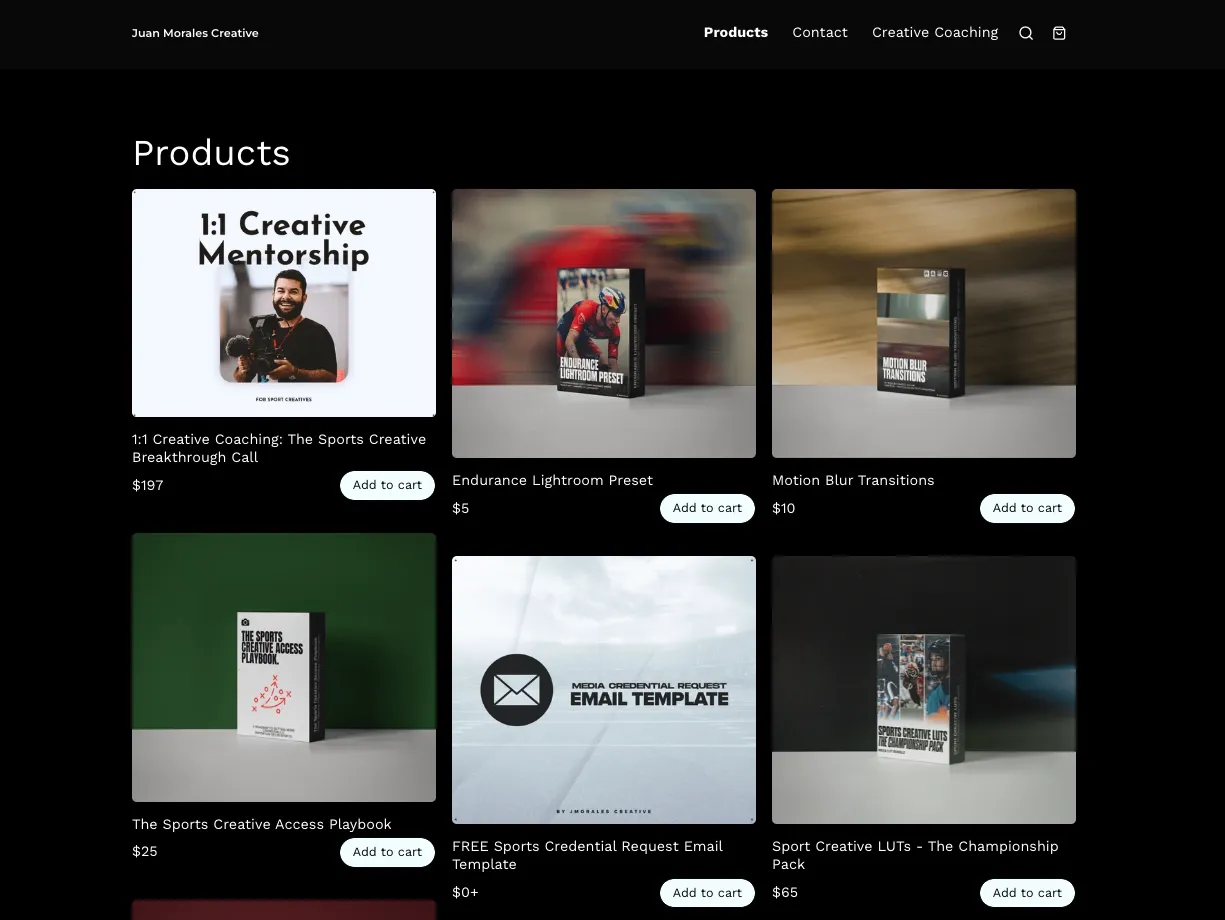
On his Sellfy store, Juan sells the creative assets he uses himself, educational resources for aspiring sports creatives, and one-on-one coaching to share his expertise with other aspiring creatives in the sports industry.
For Juan, none of that happened overnight. In this interview, Juan speaks realistically about the years of working multiple jobs, the imposter syndrome that came with selling his expertise, and why social media success is less about posting constantly and more about showing people who you really are.
Read on to tap into Juan's mindset, tips for success, and get a glimpse of the realities of building a creative online business.
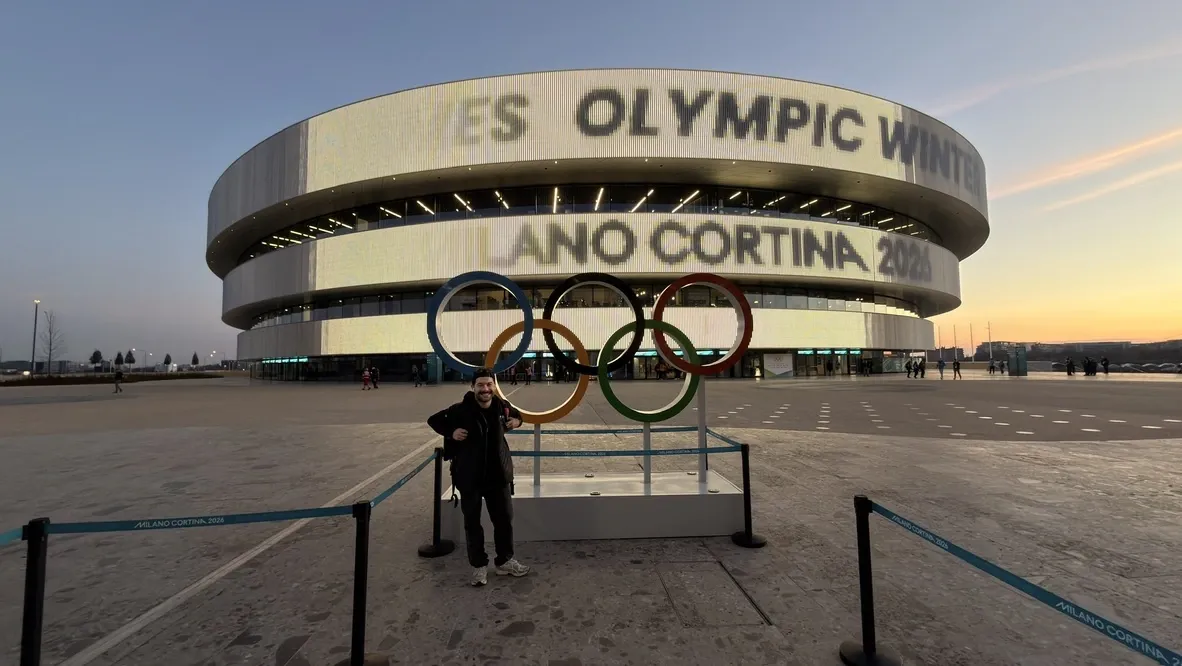
You didn't pick up a camera before university. How did you end up building a career as a sports photographer and creative director?
It's been a 10-year journey for me, and people are surprised when I tell them I never picked up a camera before that.
Growing up, I never saw myself as a photographer, filmmaker, or creative director. But at my core, I've always been a storyteller. I loved books and movies growing up, and I was also obsessed with sports.
To pursue my passion in sports, I studied sports media at Toronto Metropolitan University, and for one project, we had to tell the story of an athlete. For that project, I picked up a camera for the first time, made a really rough video, and realized that this is what I love doing.
The sports creative industry was still very young then, so there wasn't really a roadmap. I had to figure out everything myself - how to improve my creative work, network, build an identity, and juggle between freelance and full-time work.
Now, I work in sports full-time with the NHL, run my own creative business on the side, and create educational content online. Ultimately, I want to be the person I never had when I started. I want to be someone who can help other creatives figure out this industry.
When did you know you could actually make a career out of this?
There was definitely a period where I wondered if I'd be working multiple jobs forever. At one point in university, I was working four jobs while studying full-time.
One of my first big opportunities was freelancing as an editor for Maple Leaf Sports & Entertainment, working with professional Toronto teams.
I remember coming in exhausted after another job, and one of my mentors told me that this difficult middle period was exactly where a lot of people quit. He told me that if you want to work in sports, you have to be obsessed and in love with it. You can't kind of want it. That stuck with me.
I'm originally from Colombia, and my family moved to Canada when I was five. My parents sacrificed a lot to give my brother and me a better life. I always wanted to make that sacrifice worth it by succeeding in something I genuinely enjoyed.
It took me seven or eight years to really find my footing in this industry. That's why I tell people this career is a marathon, not a sprint.
"Social media can make it look like you can just buy a camera and suddenly start making money, but that's not the reality. It takes patience, effort, mental fortitude, and a lot of belief in yourself to succeed."
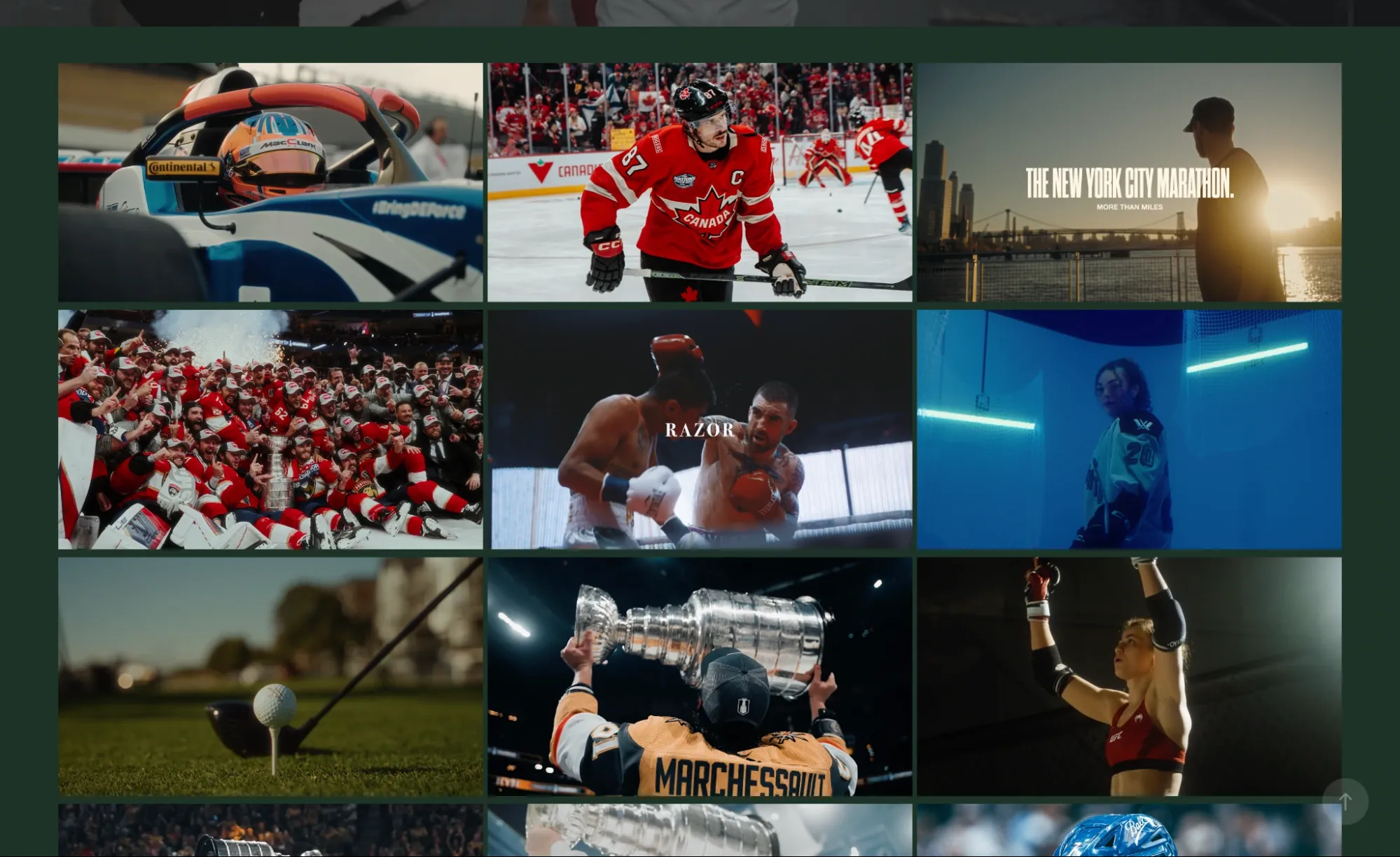
How did your full-time career evolve into your own creative business?
Sports is an unusual industry because freelance work can come in waves, and it can be unpredictable. Early on, I knew I wanted the stability, experience, and network that came with building a full-time career, so I was determined to find ways to create that foundation for myself.
The beginning of my business came through freelancing alongside my full-time job. Initially, I did event photography and videos for gyms, trainers, smaller sports businesses, and athletes.
Sellfy is the store builder behind 75K+ creators. One flat monthly fee, and no commissions on your sales.
As I developed professionally, I realized I didn't want to be just the editor or videographer. I wanted to be the creative director, the person helping shape an athlete's or organization's identity and figuring out how their story should be told.
Now I basically have my 5-to-9 after my 9-to-5. My full-time career comes first, but my business gives me opportunities to work with different athletes and sports and keeps me creatively engaged.
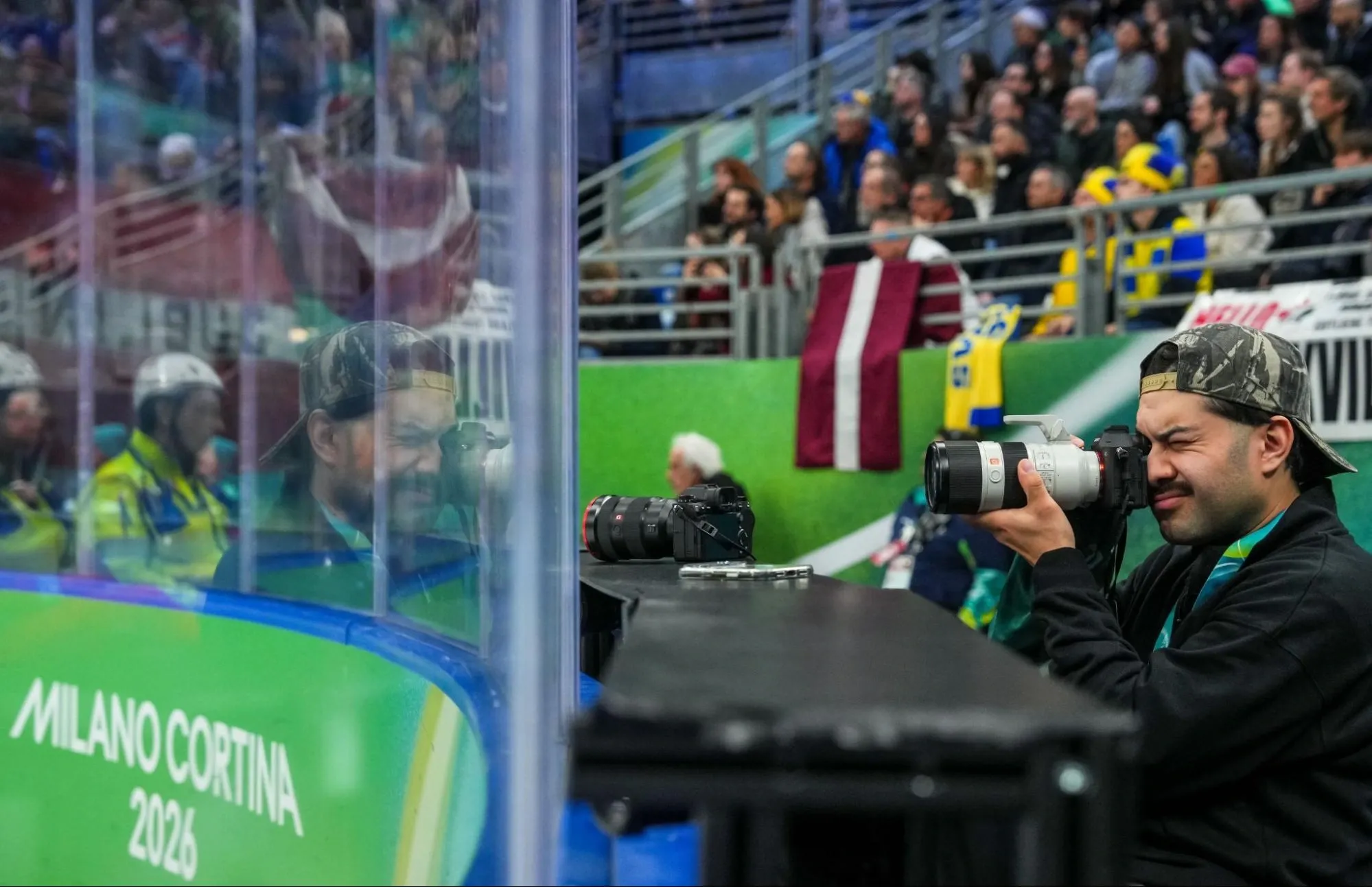
How has social media helped you grow your business?
I'm a very strong believer that if you work in a creative field, you must put your work online. To me, that's non-negotiable.
I originally started posting during COVID because I was bored and wanted to push myself outside my comfort zone. Over time, I realized social media is an incredibly powerful networking tool.
"Creative work is very much about show me, don't tell me. Instead of telling someone what I can do, I show them my Instagram or YouTube. There, they not only see my work, but they also see how I talk, how I think, and what it might actually be like to work with me."
Social media allows you to show people who you are as a person, and it creates a foundation for credibility and trust. I've had clients tell me they hired me partly because they already felt like they knew me from my content.
I even ended up shooting the New York City Marathon for someone who found me through TikTok. He messaged me because he liked my work, but also because he felt I was open and transparent online. We ended up working together and becoming friends.
I think now more than ever, marketing yourself is just as important as marketing your work.
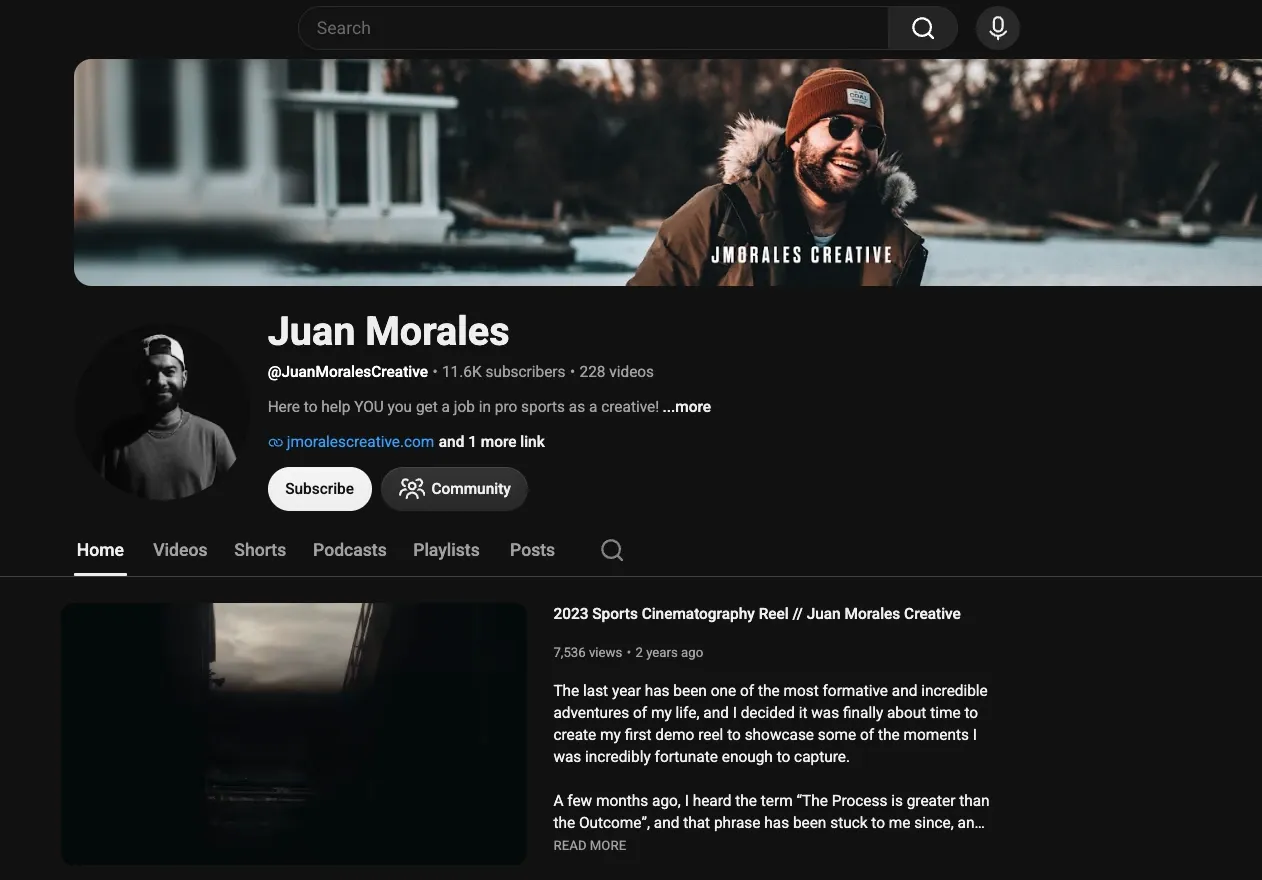
You have so much on your plate - a full-time career, your own business, and content creation for social media. How do you create content without burning yourself out?
First of all, I stick to my two most important social media channels - Instagram and YouTube. I still use TikTok, but it's been hit or miss for me, so I use it as a place to test ideas.
The approach that has saved me from burnout is to batch my work. For example, I come up with two or three ideas and script them on one day, I shoot on another, and then edit them later in the week. I tried the whole "post every day" approach, and I burned out really quickly. Now I'm much more intentional.
"Breaking the process into stages and batching the work lets me create consistently while working a full-time job and still having a life outside of work."
I also repurpose my content. Something that starts as a short Instagram video can eventually become a longer YouTube video. For example, I'm currently doing a series - 20 lessons I learnt in my 20s building a career in sports. And my plan is to eventually adapt every one of these videos into a longer format.
And honestly, I'm a fan of the Notes app. The moment I have an idea, I put it there. Then I use Notion to organize my ideas and move them through the scripting, shooting, and editing stages.
Ultimately, systemizing the process and sticking to a step-by-step workflow is what keeps me from burning out.
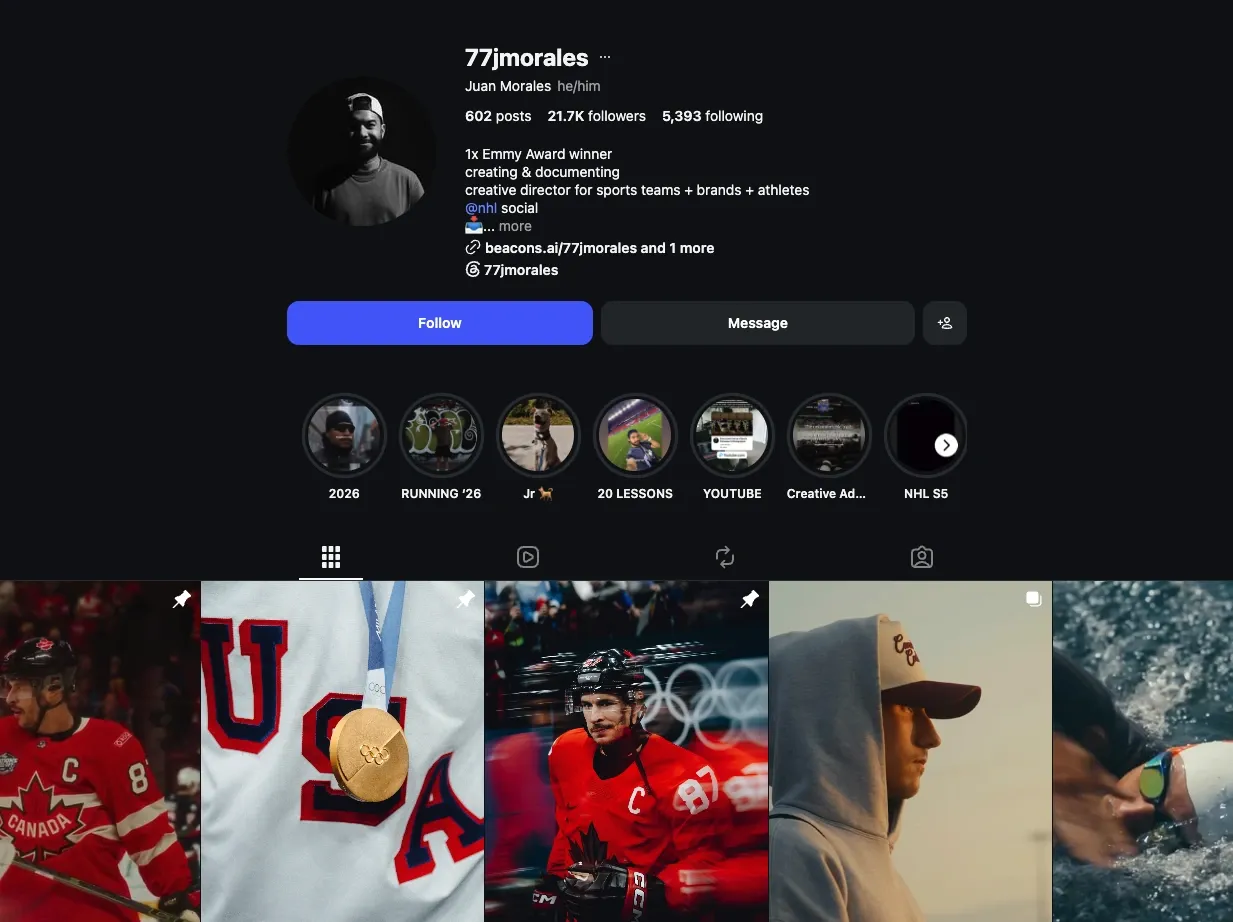
What nudged you to start creating and selling your own digital products?
Once I started putting more effort into social media, I started thinking about how I may get a return on all the time I'm investing into creating content.
I started with LUT packs because I had developed a specific color style in my work, and people kept asking me about it. I'd been teaching people how to recreate it for free, but eventually I realized I could just give them a shortcut by selling the exact tools I use.
From there, I expanded into other creative assets and educational resources. For example, I created a PDF guide about getting access to sporting events. I have plenty of free videos explaining the process, but the guide gives you the exact messaging, email templates, and approaches I use.
That's how I think about my products - I'm ultimately offering people a shortcut.
Why did you choose Sellfy for your online store?
A lot of it came through word of mouth. I knew other creatives using different platforms, did my own research, and Sellfy was one of the established options.
What really sold me was how streamlined Sellfy was.
Sellfy is the store builder behind 75K+ creators. One flat monthly fee, and no commissions on your sales.
I'm not somebody who knows how to code or wants to build a complicated e-commerce website. With Sellfy, I could create the store, integrate it into my existing website, accept payments, and have everything work without making my life more difficult.
"After three or four years of using Sellfy, I haven't once wanted to move away from it."
Which Sellfy features are most useful to you?
Email marketing being integrated directly into the platform is really useful, especially because I'm trying to do more of it.
I also really appreciate the analytics. I've never been a numbers person as I'm a creative and a visual learner. But Sellfy makes it very easy to see which products are selling and understand what is and isn't working.
That's really important when you're still developing the business side of your brain.
"Overall, Sellfy is just seamless. My digital products live there, customers can easily reach me with questions or feedback, and I can understand how the business is performing without needing to be an analytics expert."
Where does Sellfy fit into your different income streams?
I have a few different income buckets. My full-time job is still the majority of my income. Then I have freelance client work, and my creator income from things like YouTube, brand partnerships, and my Sellfy store.
I'm still a relatively small creator. I have around 11,000 YouTube subscribers and about 21,000 followers on Instagram and TikTok. So digital products have become an important way for me to monetize an audience without needing huge numbers.
In my best year, I made around $10,000–$15,000 extra through Sellfy.
With my Sellfy store, I notice the principle at work - the more you put into it, the more you get out. I can see a very direct connection between content and sales. During busy periods at work, I post less and my sales slow down. But when I upload a YouTube video again, I immediately start seeing Sellfy sale notifications.
How did you expand from products into coaching?
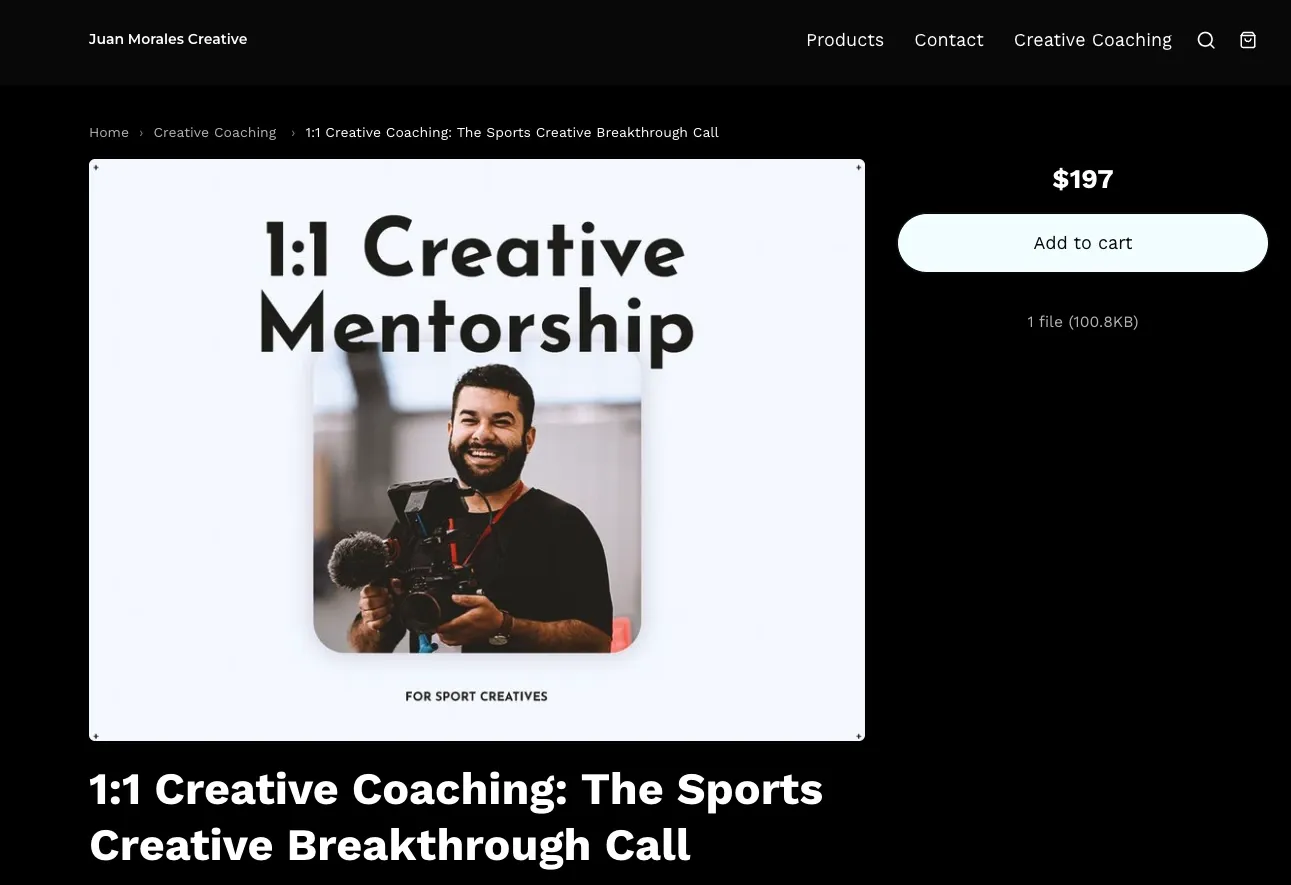
I started coaching creatives because there's only so much I can do through a YouTube video or a DM.
A video might reach a thousand people, but there could still be 15 people who need something much more specific. So, about three years ago, I started offering one-on-one coaching through Sellfy.
It's evolved through several iterations since then, and it's a higher-ticket offer because I'm selling my actual time and experience.
I can see coaching and mentorship becoming a much bigger part of my business in the future.
What has been the hardest mental hurdle in building your business?
Honestly, it's imposter syndrome. When I started making content, I wondered whether anyone would watch it or take me seriously. Then, as I started selling digital products and my know-how, those thoughts became, "Who is going to pay for this? Why would anyone invest money in what I know?"
Eventually, I realized that I, too, have invested in other people throughout my own career. I've watched countless educational videos, paid for courses and mentorship, and gone to university. If I'm willing to invest in people who have the knowledge that I want, why wouldn't somebody do the same with me?
That helped me get past the mental block.
Sellfy is the store builder behind 75K+ creators. One flat monthly fee, and no commissions on your sales.
Now my approach is basically to try it and see what happens. The worst thing that happens is nobody buys it. But instead of asking, "What's the worst that could happen?", I ask, "What's the best that could happen?"
If something doesn't work, I don't see it as a reason to quit. I ask why it didn't work, learn from it, and iterate.
What advice would you give someone building a creative business?
- The first thing I preach is patience. It's a marathon, not a sprint. Building a business takes so much more time than people think. You need to believe in what you're building and give yourself time to learn. If I didn't have that self-belief, I wouldn't have made it through the 10 years it took to build my career.
- Another is self-belief. You need to be confident that you'll be able to learn whatever it takes to get to where you want to go. If I had no self-belief, I wouldn't be where I am today. When I first started selling my digital products, I worried about whether people were going to think I'm a sellout. I was worried they'd think I'm a fraud, and that kind of thinking was holding me back.
- Above all, be authentic. In this day and age, where you don't know if things are real or not or if they're AI or human, showing up as yourself is a competitive advantage. Especially now, people have really good bullshit detectors. If you're building a business, trying to grow a career, or putting yourself on social media, show up as yourself.
- Lastly, results matter. I've spent 10 years building a career in sports, shot events like the Olympics, and worked with some of the best athletes in the world. I can stand behind what I teach and sell.
So be patient, believe in yourself, and show up genuinely. Everything else can grow from there.

Success Stories
Tips for creators
Join thousands of creators receiving sales tips, marketing resources, and inspiring stories. No spam, pure value.