- tips & tricks
- |By Aleksey Haritonenko, Last Updated:
Top 10 Lemon Squeezy Alternatives I've Tested This Year
Lemon Squeezy is awesome… right up until it isn’t.
It’s built first and foremost as a platform for running a SaaS business: subscriptions, licenses, tax, the whole Merchant of Record (MoR) package. That part, it does really well. But when you start leaning on its online store builder to run a “normal” storefront, the cracks show.
I’ve been there. So instead of another copy-paste “top 10” list, I put the most talked-about Lemon Squeezy alternatives through a simple, store-focused test: how fast can you launch a shop, how much can you customize, what does it really cost, and does it help you sell more without duct-taping five tools together?
This guide is all about that comparison: how Lemon Squeezy’s store builder stacks up against 10 other platforms, from storefront-first tools and free starters, to course-friendly all-in-ones, conversion-driven carts, and link-in-bio stores.
If Lemon Squeezy feels a bit “too SaaS” for how you actually sell, one of these will fit better as an.
How I tested Lemon Squeezy alternatives
For each Lemon Squeezy alternative, I ran the same basic process:
- Signed up for a free plan or a free trial
- Built a simple store or checkout page
- Added at least one digital product
- Added a physical product if the tool supports it
- Tweaked themes, colors, and layout
- Tested discounts, coupons, and basic marketing tools
- Checked how pricing and fees compare to Lemon Squeezy Then I scored each alternative to Lemon Squeezy on:
- Standout features
- Ease of use
- Storefront design and customization
- Product types you can sell
- Integrations
- Marketing and sales tools
- Pricing and transaction fees The goal is simple. If you’re wondering where to sell other than Lemon Squeezy, this list should give you a clear next step.
Note: Pricing plans below reflect public information at the time of writing. Double-check each platform’s pricing and docs before committing.
Sellfy is the store builder behind 75K+ creators. One flat monthly fee, and no commissions on your sales.
Sites like Lemon Squeezy at a glance
Here’s a side-by-side look at the 10 platforms like Lemon Squeezy I rate highest. Ease of use and Customizability are scored on a 1–10 scale (1 = worst, 10 = best).
| Platform | Ease of use (1 - 10) | Customization (1 - 10) | Best for | Pricing |
 | 9 | 7 | $0-budget sellers who want a real store without feature paywalls | Free ($0/month + 5% fee) |
 | 8 | 7 | SaaS founders selling globally who want taxes, billing, and compliance handled for them. | Free ($0/month + 5% fee) |
 | 8 | 6 | Solo educators building courses + community | $33/month (+ 5% fee) |
 | 10 | 6 | First-time sellers shipping a simple product fast (small-scale testing) | No monthly fee (10% + $0.50/transaction) |
 | 7 | 8 | Conversion-focused marketers selling a core offer with upsells | $79/month |
 | 9 | 6 | Social-first creators selling directly from Instagram/TikTok/YouTube | $29/month |
 | 7 | 9 | Large-scale e-commerce with growing physical catalogs | $27/month |
 | 6 | 10 | WordPress users who want maximum control and own the stack | Core plugin is free |
 | 8 | 9 | Funnel marketers who want a pay-once cart for optimized checkouts | $495 (one-time) |
 | 9 | 5 | Artists and makers selling a small product lineup without complexity | Free |
Top 10 Lemon Squeezy alternatives I put to the test this year
Here’s my full breakdown of the 10 Lemon Squeezy competitors that held up in testing, starting with my top pick, then moving through the rest based on what each platform does best.
Payhip: Best free Lemon Squeezy alternative
If you want platforms like Lemon Squeezy but need to start on a true $0 budget, Payhip is the most generous free plan I tested.
Every feature is available on every plan, including the free one. You get a hosted storefront, course builder, memberships, affiliate tools, discounts, and automatic EU/UK VAT handling.
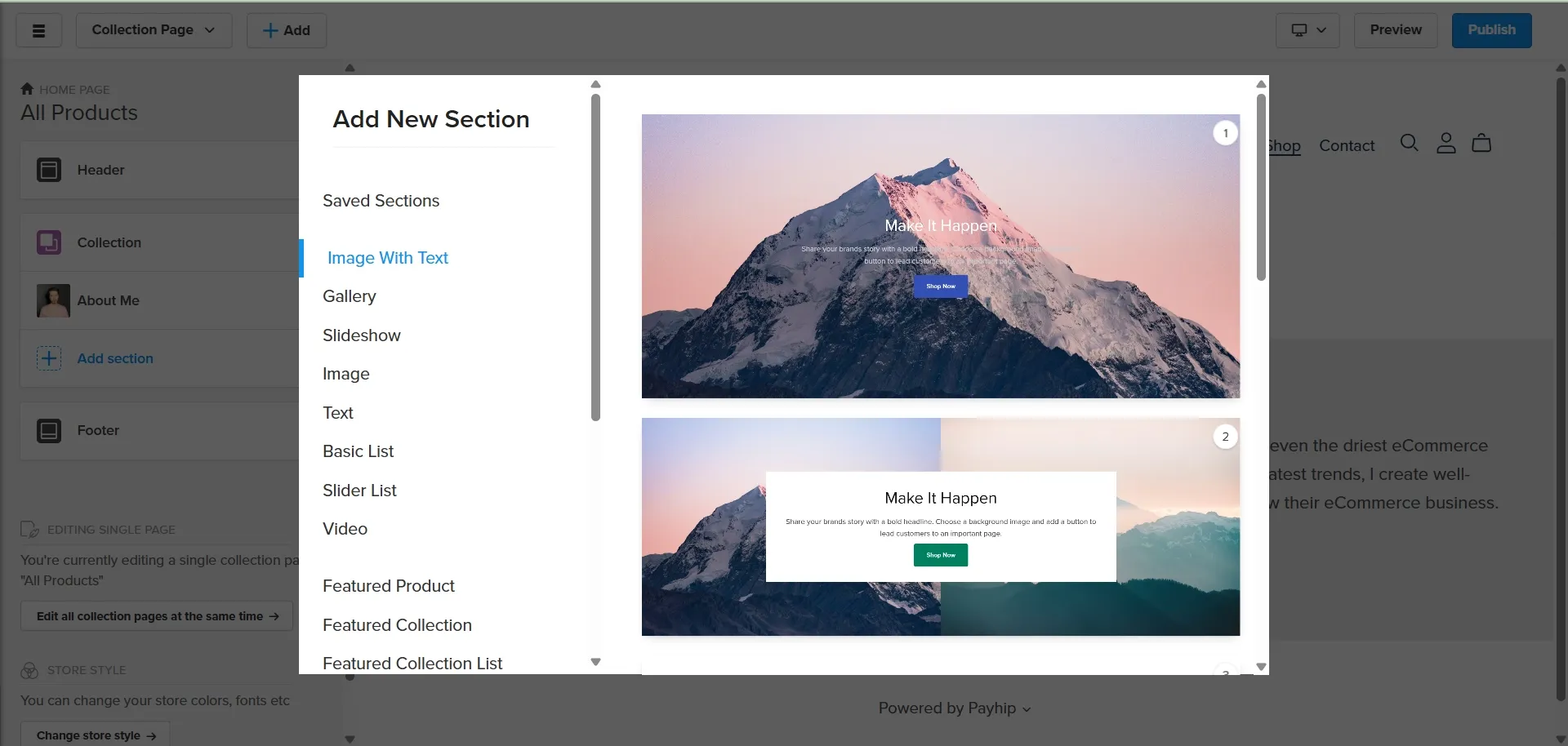
The tradeoff is a 5% transaction fee on the Free Forever plan, which feels very similar to Lemon Squeezy’s 5% + $0.50 MoR fee. The difference is that Payhip lets you sell physical products, coaching, and more types of digital products from the same store.
Why I picked Payhip
I picked Payhip as the “accessibility” answer to Lemon Squeezy competitors. Payhip removes every starting barrier with its free plan. It’s easy to use, has more product types than Lemon Squeezy, and has decent customization and integration options.
Standout features
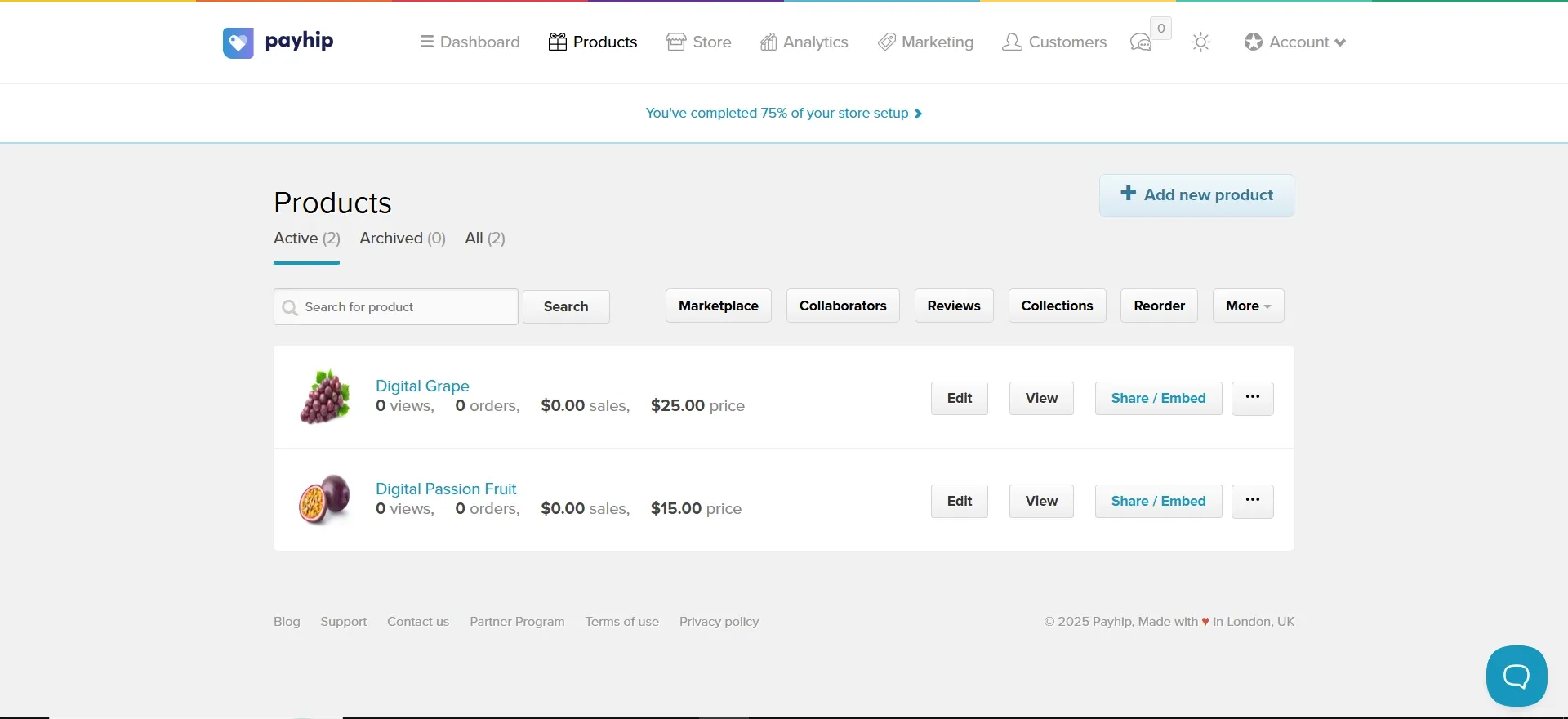
- Clean, simple store and checkout
- Built-in course builder with LMS features
- 24/7 support, even for free users
- Automatic EU VAT calculation and collection
- Marketing tools are included by default
Products you can sell
- Digital downloads
- Online courses
- Coaching services
- Memberships
- Physical products
Integrations
WordPress, Squarespace, Wix, Calendly, Zoom, Chat (Payhip Store) Weebly, Zapier, Make, Pabbly, MailerLite, Mailchimp, Flodesk, Brevo, Gmail, EmailOctopus, PayPal, Stripe, Square, Mollie, Mercado Pago, Paystack, Bookvault, Discord, systeme.io
Pricing
Starting plan: Free Forever ($0/month + 5% transaction fee)**
- All features
- Unlimited products
- Unlimited revenue Best value plan: Plus ($29/month + 2% transaction fee)
- All features
- Unlimited products
- Unlimited revenue
Pros and cons
Paddle: Best Lemon Squeezy alternative for SaaS and software
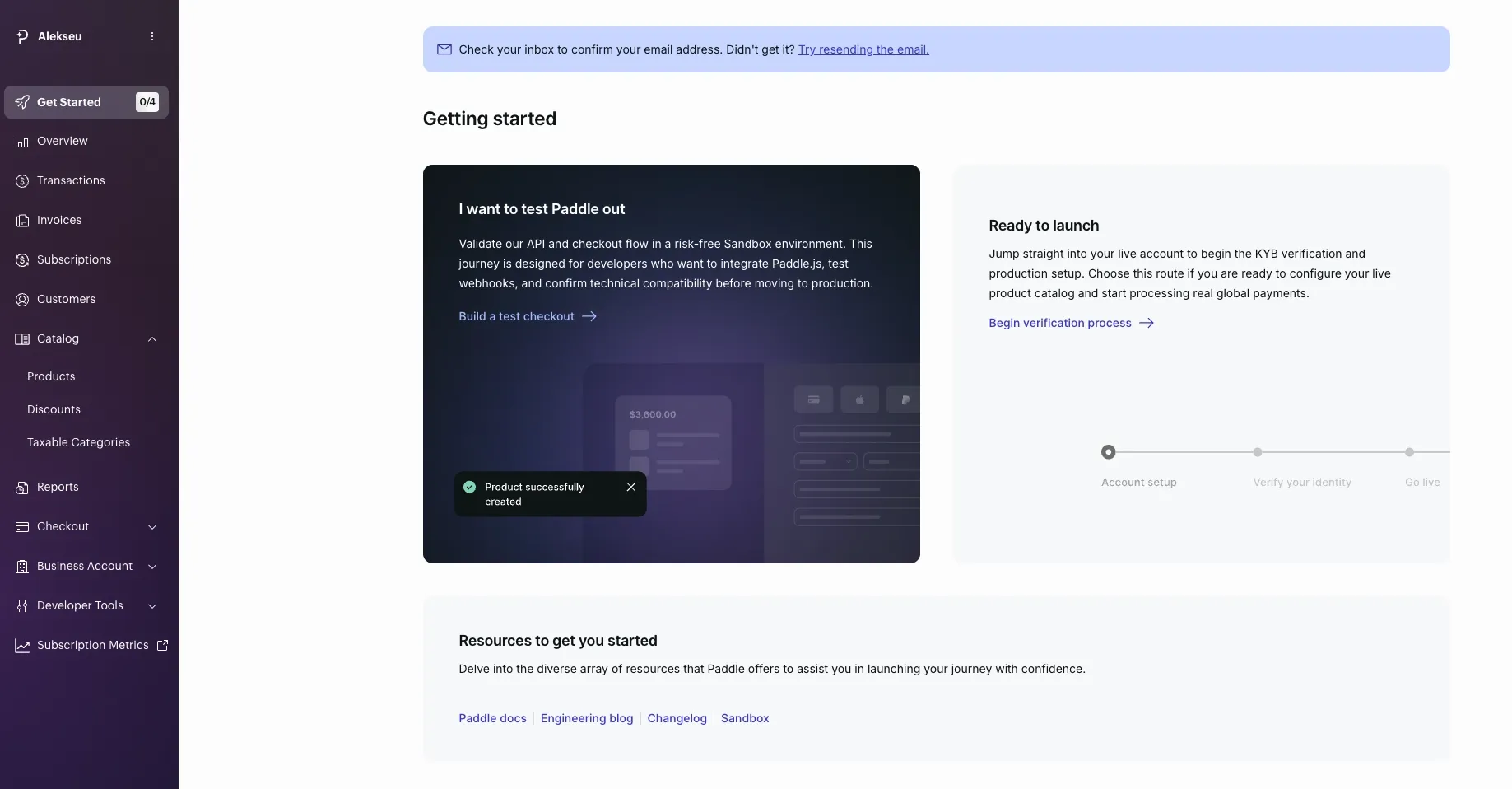
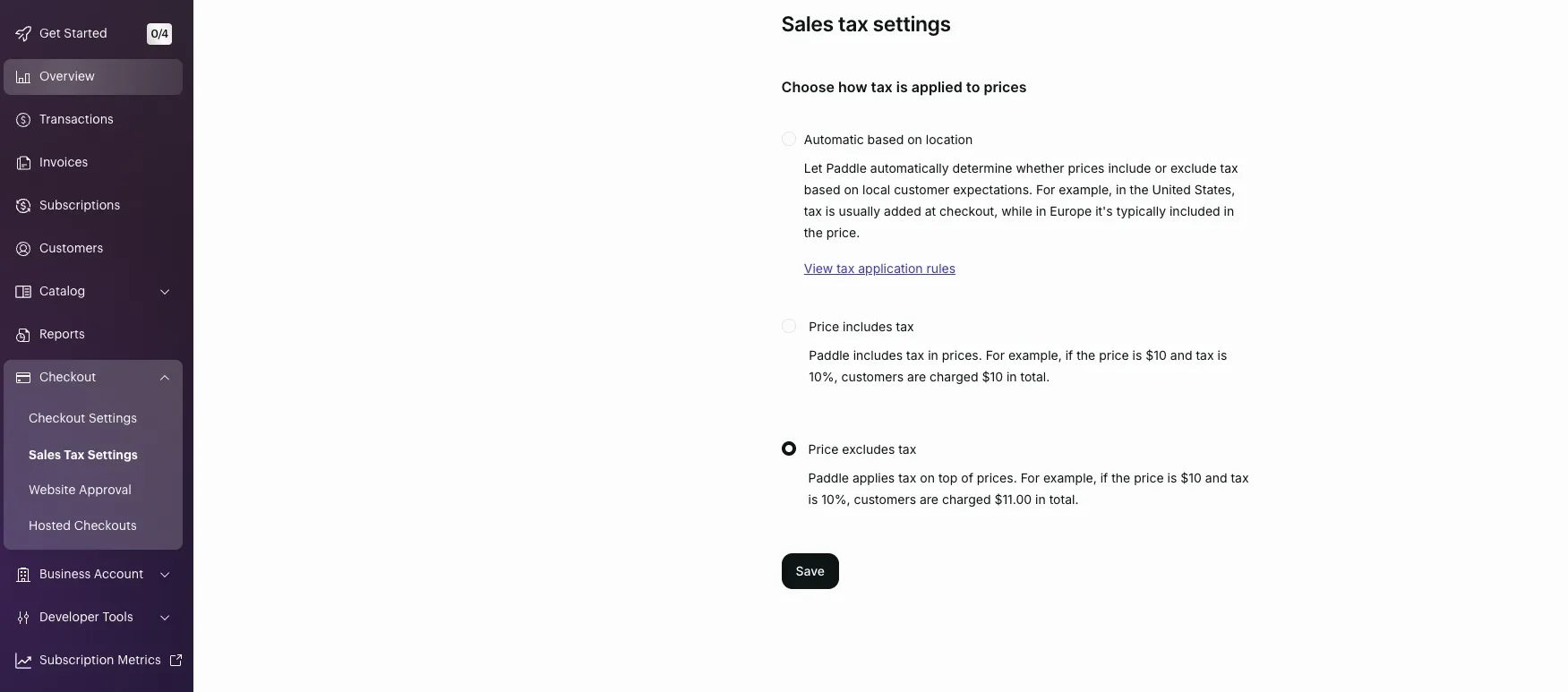
Paddle is a service that makes it quite easy to sell apps, games, and other digital downloads. It's the closest alternative to Lemons Squeezy if we're talking about MoR space.
Paddle allows you to easily create a checkout page for your software and digital downloads that you can integrate into your existing website. The good thing is that Paddle takes care of all the complicated stuff like managing checkout processes, invoicing, subscriptions, and recurring payments.
Paddle is better than Lemon Squeezy for teams that need deeper control over subscription logic, pricing experiments, and global tax handling. It acts as the reseller, so it takes care of tax collection, compliance, and fraud prevention automatically.
On the other hand, you won’t have the possibility to build your own storefront, which automatically makes this platform not suitable for those looking for a way to build an online storefront.
Why I picked Paddle
I picked Paddle because running SaaS globally is a mess, and Paddle could help fix that. Taxes, compliance, subscriptions… all the stuff you don’t want to deal with is handled for you. Instead of duct-taping Stripe, tax tools, and invoicing together, you just use Paddle and move on. It’s especially good if you’re selling internationally and don’t want to think about VAT ever again.
Standout features
- Merchant of record
- Subscription billing
- Built-in invoicing and receipts
- Fraud protection and chargeback handling
- Checkout localization
Integrations
Stripe (for some hybrid setups), PayPal, HubSpot, Salesforce, Zapier, Webhooks, Segment, ProfitWell, Slack, Google Analytics, Mixpanel, Intercom, Mailchimp, ConvertKit, ActiveCampaign, and custom API integrations.
Pricing
No monthly fee, 5% + $0.50 per transaction (varies by volume and region)
Pros and cons
Podia: Best Lemon Squeezy alternative for courses and communities
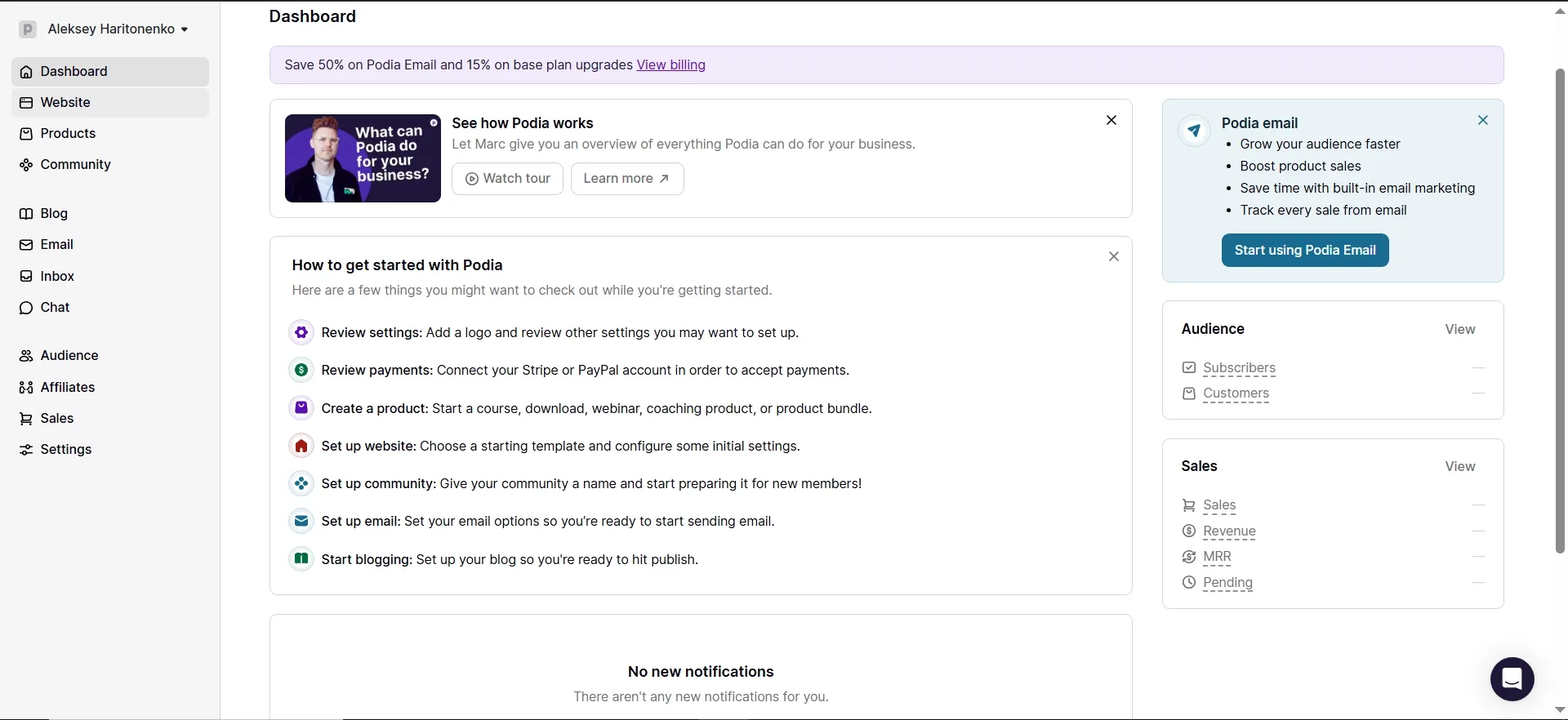
Podia is an all-in-one platform for selling courses, memberships, and digital products with a built-in site, email, and community. If your main business is education or community (not complex SaaS billing), it makes more sense as a Lemon Squeezy alternative.
Podia is better than Lemon Squeezy, specifically as a course builder with drip content, quizzes, and progress tracking, plus built-in community spaces, so you do not need a separate forum. You still get a clean storefront and course-focused layouts.
It’s a solid pick for solo creators who want everything in one place and fairly quick payouts. The catch: e-commerce is basic, customization is limited, and analytics are light, so it is not ideal for heavy physical products or advanced CRO setups.
Sellfy is the store builder behind 75K+ creators. One flat monthly fee, and no commissions on your sales.
Why I picked Podia
I picked Podia because it treats you like a teacher, not a store owner. You get a proper course builder with drip lessons, quizzes, progress tracking, plus built-in community and a simple storefront in one place. It is a great fit if you are a creator who wants a true “knowledge business” platform instead of forcing Lemon Squeezy to act like a course tool.
Standout features
- Basic LMS
- Builtin email marketing
- Webinars and community tools included
- Clean, easy-to-use interface for beginners
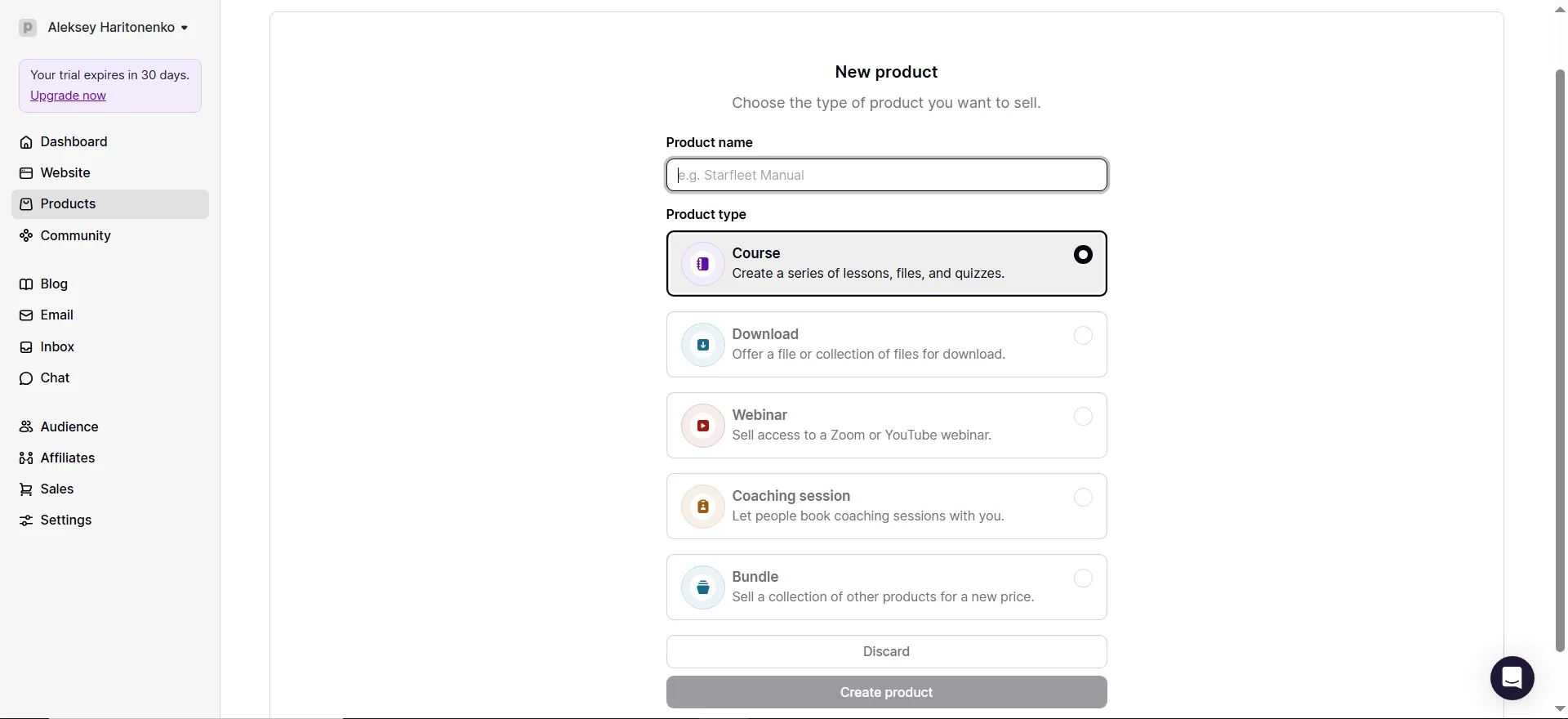
Products you can sell
- Courses
- Digital downloads
- Webinars
- Coaching sessions
- Digital product bundles
Integrations
Mailchimp, ConvertKit, AWeber, Drip, ActiveCampaign, MailerLite, GetResponse, Flodesk, Stripe, PayPal, Google Analytics, YouTube Live, Zoom, Discord, Calendly, SquareSpace Scheduling, YouCanBook.Me, SavvyCal, Facebook, Pinterest, Deadline Funnels, Hotjar, Trustpulse, Google Forms, Spotify, Vimeo, Instagram, GitHub gists, Dribbble, Asana, Dubsado, Google Sheets, Shopify, Typeform, and Interact.
Pricing
Starting plan: Mover ($33/month)**
- 5% transaction fee
- Website
- Online store
- Email marketing
- Unlimited products
- Blogging
- Custom domain
- 7-day support Best value plan: Shaker ($75/month)
- 0% transaction fee
- Everything in Mover
- Affiliate marketing A free trial is available.
Pros and cons
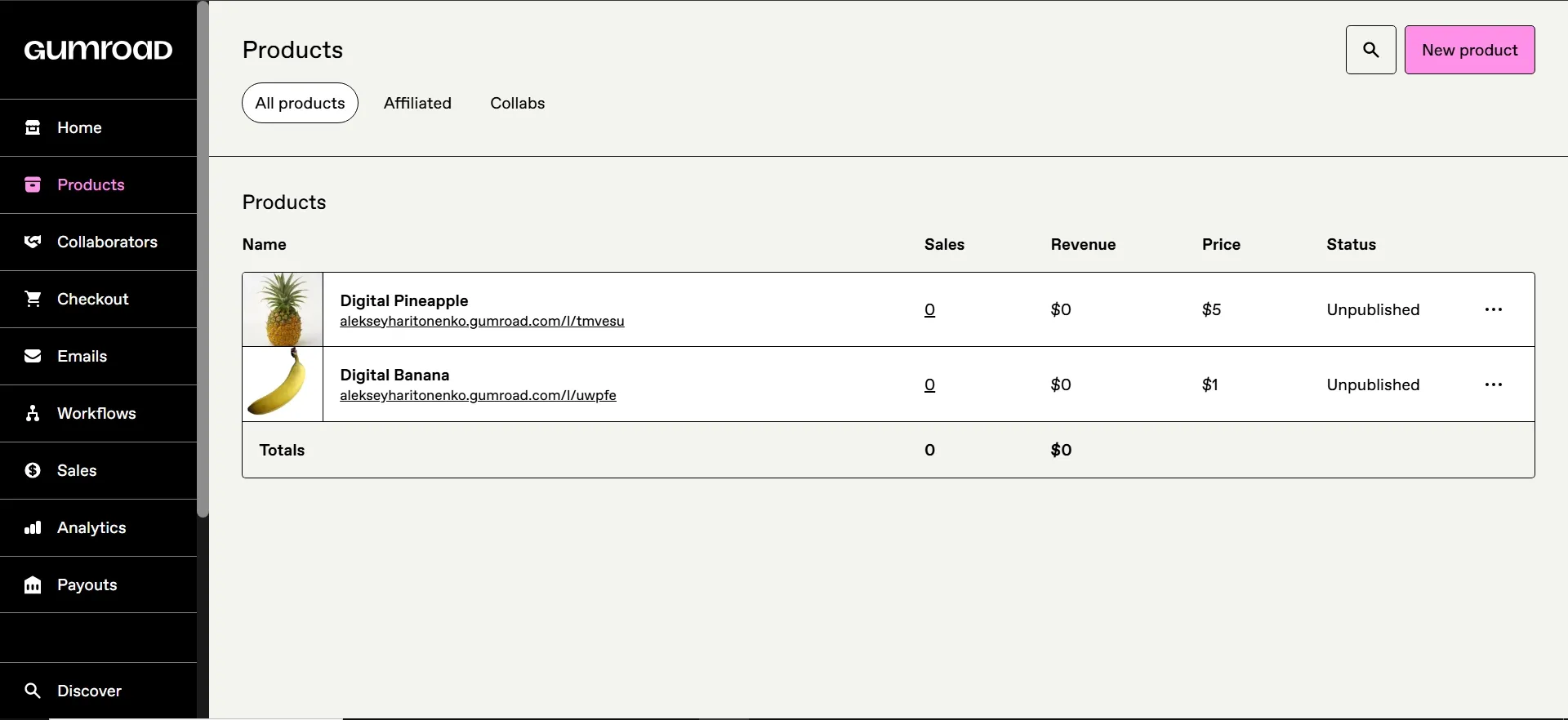
Gumroad: Best Lemon Squeezy alternative for beginner sellers
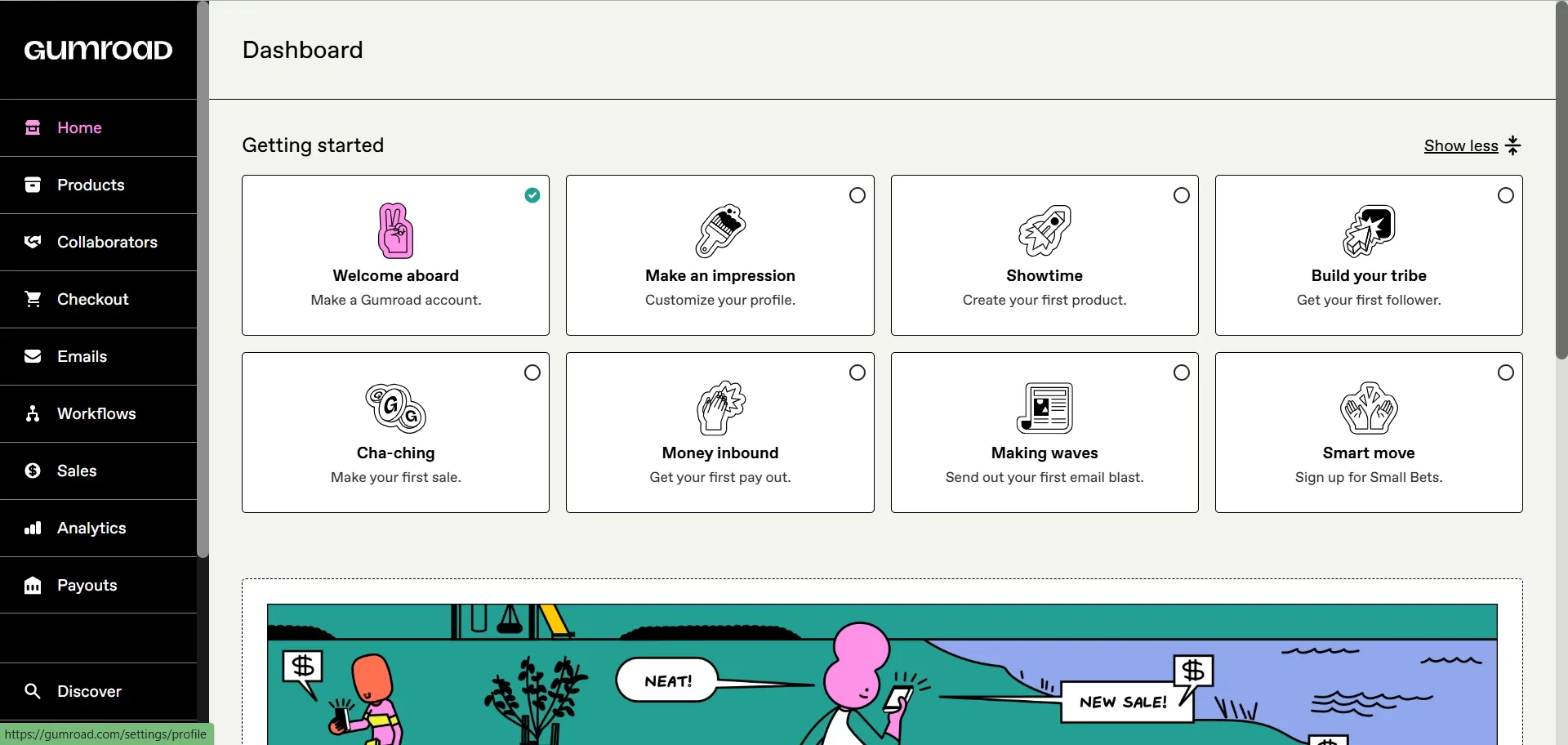
Lemon Squeezy vs. Gumroad is a common comparison because both focus on digital creators and handle tax and compliance as the merchant of record.
The difference? Gumroad takes simplicity to the extreme. No monthly fee, no complex setup, and I personally liked its UI better than the other platforms.
The downside is cost. Gumroad charges around 10% plus 50 cents on direct sales, and a hefty 30% per sale through its native marketplace. And you won't find advanced marketing tools or deep customization options here.
Also, it’s not ideal for scaling. Limited integrations, basic analytics, and extremely restricted payout options mean **your business will probably outgrow Gumroad fast.
Why I picked Gumroad
Gumroad is for you if you want to ship a product page in 10 minutes and keep things simple. Perfect for launching your first product on a tight budget or testing ideas.
Standout features
- Simple storefront built for creators
- Instant delivery for digital products
- Flexible “pay what you want” pricing
- Supports memberships and recurring subscriptions
- Built-in tools to message your audience
- No code setup with very little friction
Products you can sell
- Digital downloads
- Memberships
- Product bundles
- Service-type products (commissioned work, calls)
- Physical goods
Integrations
Zapier, Circle, Discord
Pricing
Gumroad doesn’t charge a monthly fee. It takes a cut per sale as follows:
- Sales through your profile or direct links: 10% + $0.50 per transaction
- Sales through Gumroad Discover: 30% per transaction
Pros and cons
SamCart: Best Lemon Squeezy alternative for high-converting checkout pages
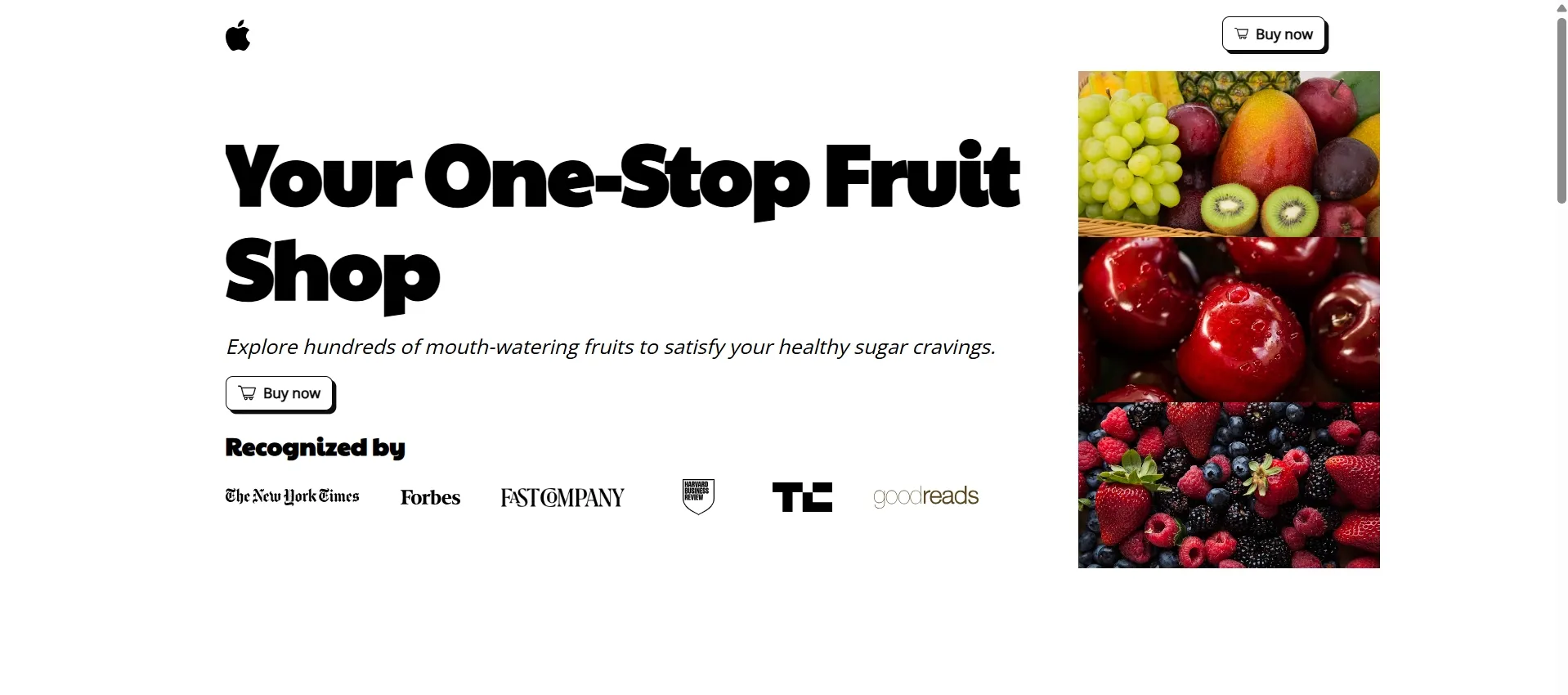
SamCart is not a full e-commerce solution compared to other platforms like Lemon Squeezy. It is a premium checkout and funnel tool designed to squeeze more revenue out of each visitor. SamCart sits on top of your existing stack and focuses on the money-making part: product pages, order bumps, one-click upsells, and split testing.
You also get a flexible page builder with more control over layout and branding than Lemon Squeezy’s default product pages, which makes it especially appealing for digital products, courses, and high-ticket offers.
The main downside (other than the fact that it’s not a full e-commerce platform): it’s a premium tool with **many of its best features locked behind higher-priced plans.
Why I picked SamCart
I picked SamCart because it’s built for marketers who obsess over the funnel, not just the product catalog. If your main issue with Lemon Squeezy is “my checkout and sales page feel limited,” and you’re pushing one core offer with upsells, SamCart can be better than Lemon Squeezy.
Standout features
- High-converting checkout pages
- One-click upsells and order bumps
- Built-in A/B testing
- Subscription and payment plan support
- Affiliate management built in
Products you can sell
- Digital downloads (ebooks, PDFs, templates, audio)
- Online courses
- Memberships + subscriptions (recurring payments, trials)
- Services (coaching, consulting, subscription services)
- Physical products
Integrations
Stripe, PayPal, Apple Pay, Google Pay, Zapier, Webhooks, SamCart API, HubSpot, Keap (Infusionsoft), Ontraport, HighLevel, ActiveCampaign, ConvertKit (Kit), Mailchimp, Klaviyo, AWeber, Drip, GetResponse, Constant Contact, iContact, Kajabi, Thinkific, MemberPress, WishList Member, MemberMouse, Circle, Post Affiliate Pro, ShipStation, Shopify, WordPress, Intercom, Maropost, Digital Access Pass, OptimizePress/OptimizeMember, Google Analytics (GA4), Google Tag Manager, Meta Pixel.
Pricing
SamCart has a single, full-featured pricing plan that starts at $79/month and scales up as your monthly revenue grows.
A free trial is available.
Pros and cons
Stan Store: Best Lemon Squeezy alternative for link-in-bio creators and social selling
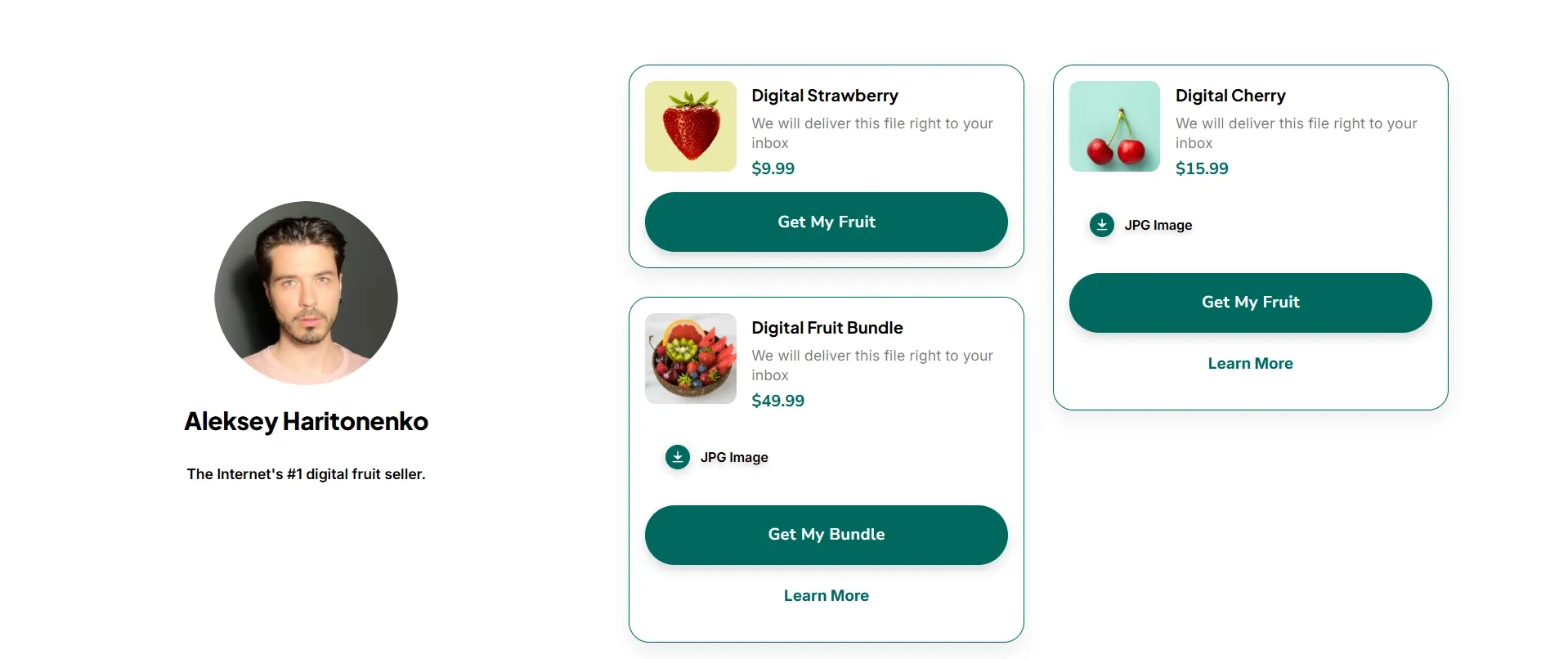
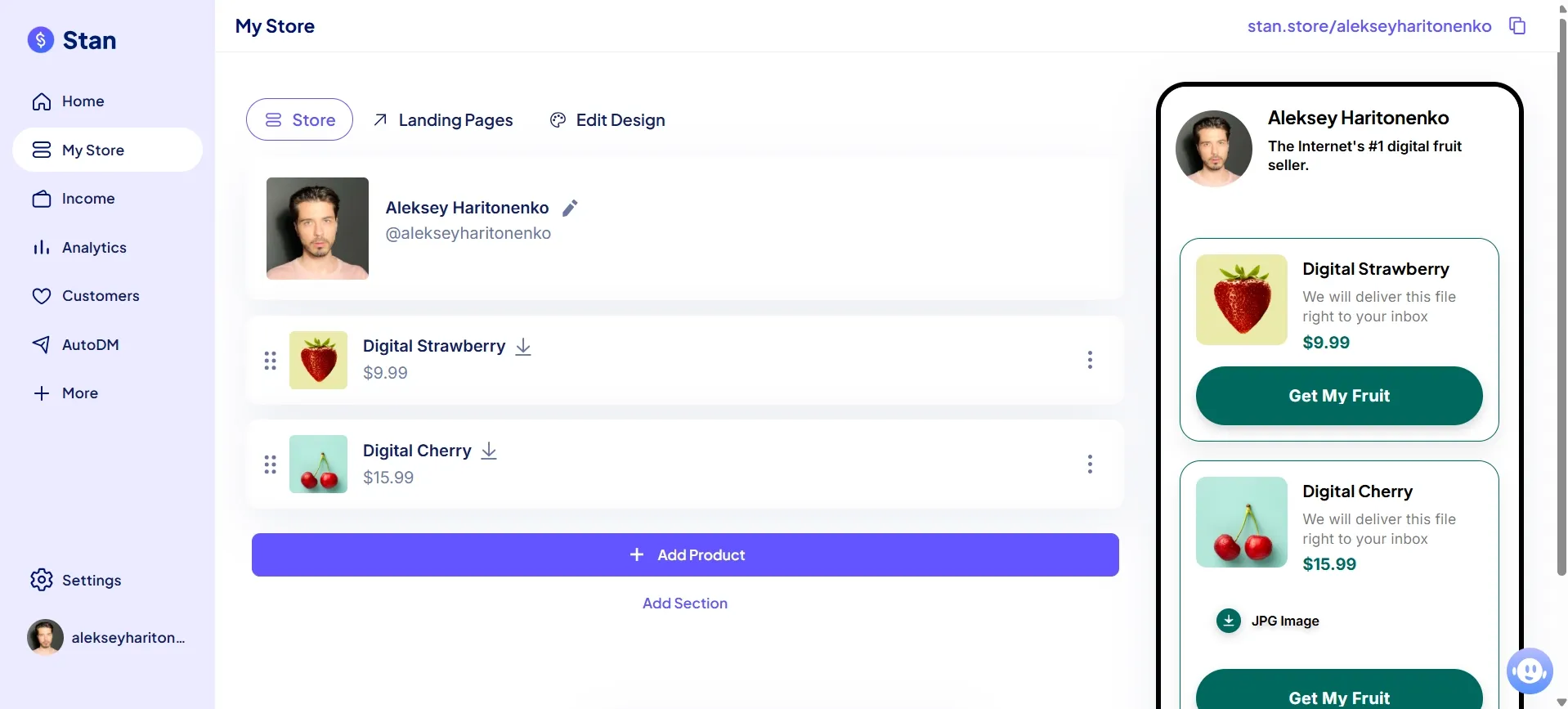
Stan Store (or “Stan”) is built for creators who sell straight from social. It’s a “link in bio” alternative to Lemon Squeezy that also supports courses, bookings, and subscriptions, so you can monetize without building a full e-commerce site.
You get a mobile-friendly “home base” where you can sell digital products, courses, subscriptions, and 1:1 bookings, while also capturing emails and leads. The course builder, calendar, and booking tools, basic analytics, and AutoDM for Instagram all live under one roof, so you can go from “link in bio” to full offer stack without touching code.
The catch: it is not built for large product catalogs, and most of the serious marketing features sit behind the Pro plan.
Why I picked Stan Store
If your whole business lives on Instagram, TikTok, or YouTube, Stan Store feels natural. It’s designed to convert followers, not manage a complex product catalog.
Standout features
- Mobile + desktop storefront
- Calendar + booking tools
- Unlimited course builder + course analytics
- Recurring subscriptions
- AutoDM for automated Instagram responses
- Creator Pro adds: discount codes, limited-quantity offers, upsells/order bumps, affiliate management, email broadcasts + flows, and pixel tracking
Products you can sell
- Digital products
- Online courses
- Bookings/services
- Subscriptions
- Lead magnets/email collection pages
Integrations
Stripe, PayPal, Zapier, Pixel tracking for Meta, Google, Pinterest, TikTok (Creator Pro).
Pricing
Starting plan: Creator ($29/month)**
- Mobile- and desktop-friendly storefront
- Calendar and booking tools
- Store and product analytics
- Unlimited online course builder & course analytics
- Recurring subscription setup
- Lead magnets/email collection
- Community creation features
- Stan AutoDM for automated Instagram responses
Sellfy is the store builder behind 75K+ creators. One flat monthly fee, and no commissions on your sales.
Best value plan: Creator Pro ($99/month)
- Everything in Creator
- Discount codes
- Limited-quantity offers
- Upsells & Order Bumps
- Stan Payments, Afterpay, Klarna
- Affiliate Management
- Import Contacts
- Email Broadcast
- Email Flows
- Pixel tracking for Meta, Google, Pinterest, TikTok
Pros and cons
Shopify: Best Lemon Squeezy alternative for large-scale e-commerce
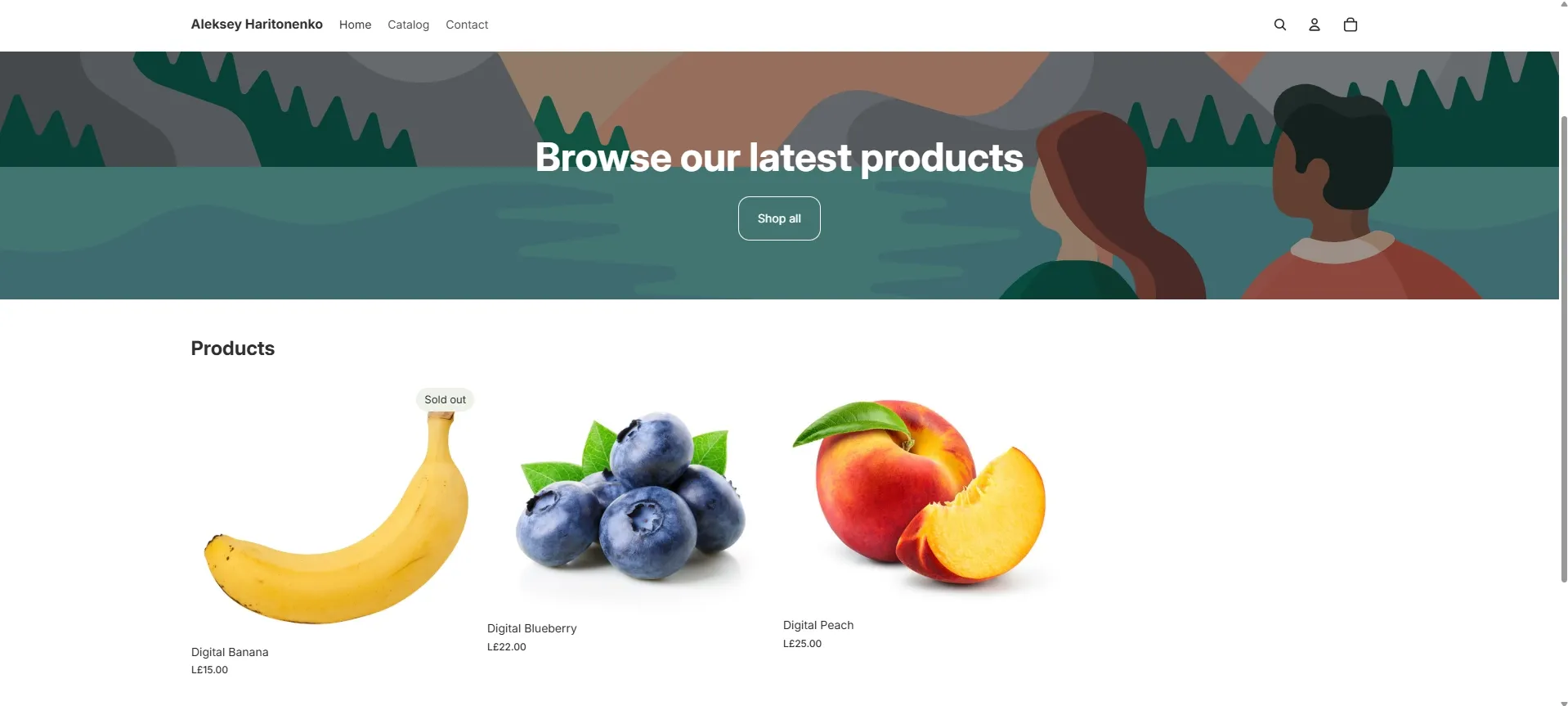
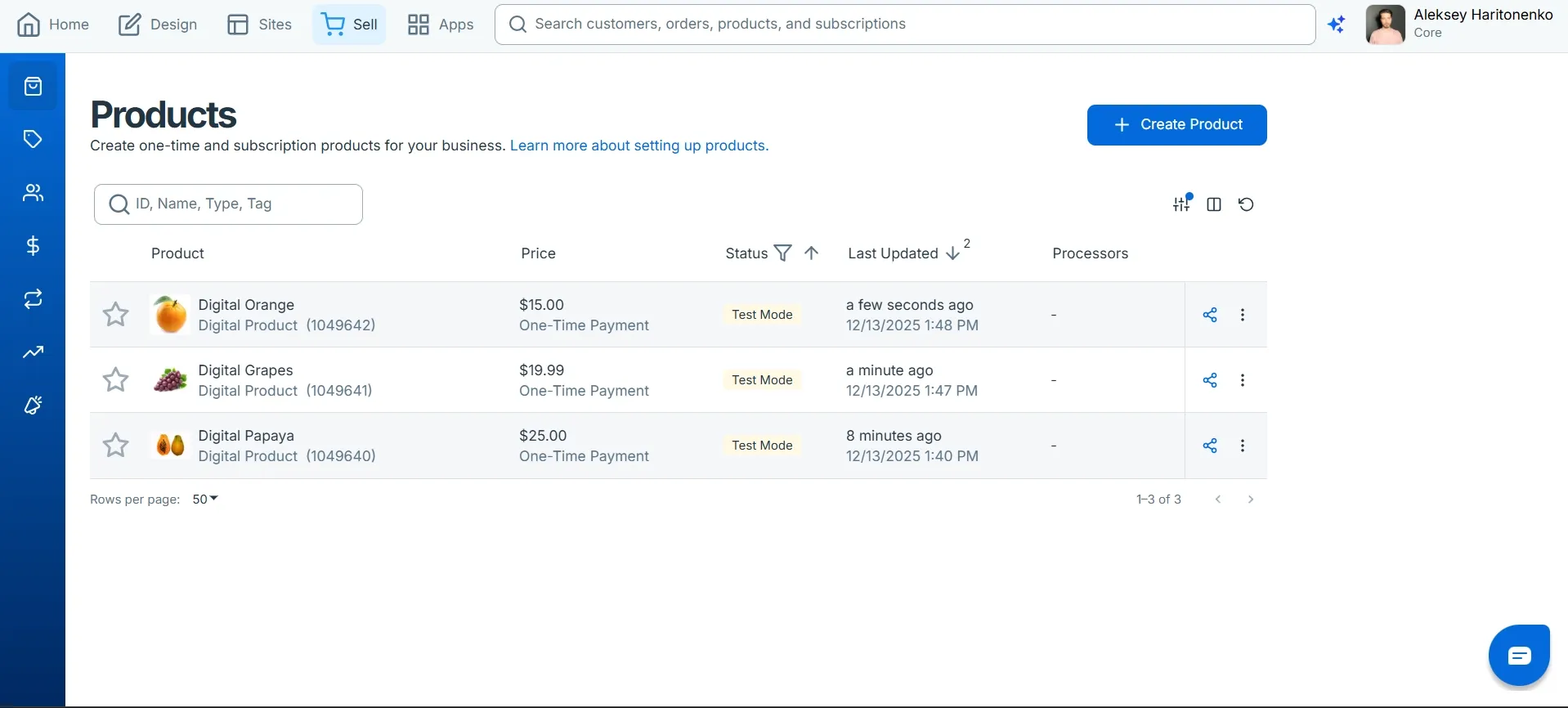
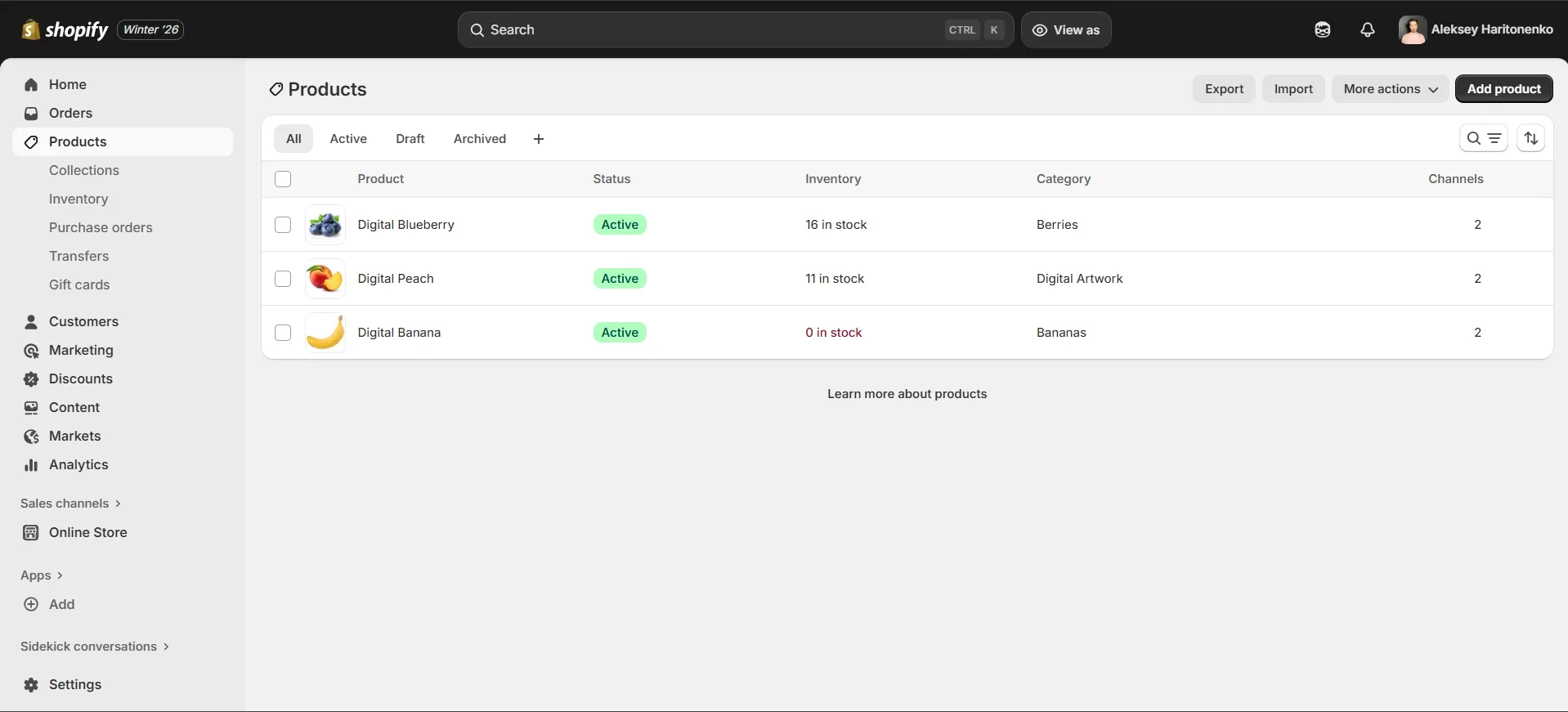
If you are dreaming bigger than a simple digital storefront, Shopify is the classic alternative to Lemon Squeezy for full-scale e-commerce. It’s a comprehensive platform with hosting included, a polished admin, and a ton of built-in commerce plumbing (inventory locations, shipping discounts, in-person selling).
You get a robust online store, thousands of themes and apps, deep inventory management, shipping tools, and support for both physical and digital products.
The catch: you’ll pay for apps as you grow, and if you use a third-party payment provider, Shopify adds an extra transaction fee on top.
Why I picked Shopify
If you’re selling physical products (or a growing catalog) and you want an e-commerce “operating system,” Shopify is the cleanest path.
Products you can sell
- Full e-commerce store builder
- Massive app ecosystem
- Multi-channel selling (web, social, marketplaces)
- Advanced inventory and shipping tools
- Highly scalable infrastructure
Integrations
Shopify App Store, Google & YouTube, Facebook & Instagram, TikTok, Pinterest, Shopify Payments, PayPal, Apple Pay, Google Analytics (GA4), Google Tag Manager, Zapier, Webhooks, REST/GraphQL APIs, Shopify Email/Messaging, Klaviyo, Mailchimp, ShipStation, Recharge, QuickBooks.
Pricing
Starting plan: Basic ($27/month)**
- Card rates starting at 2% 3rd-party payment providers
- 10 inventory locations
- 24/7 chat support
- In-person selling by phone or POS device Best value plan: Grow ($72/month)
- Card rates starting at 1% 3rd-party payment providers
- 10 inventory locations
- 24/7 chat support
- 5 staff accounts
- In-person selling by phone or POS device
Pros and cons
WooCommerce: Best Lemon Squeezy alternative for WordPress users
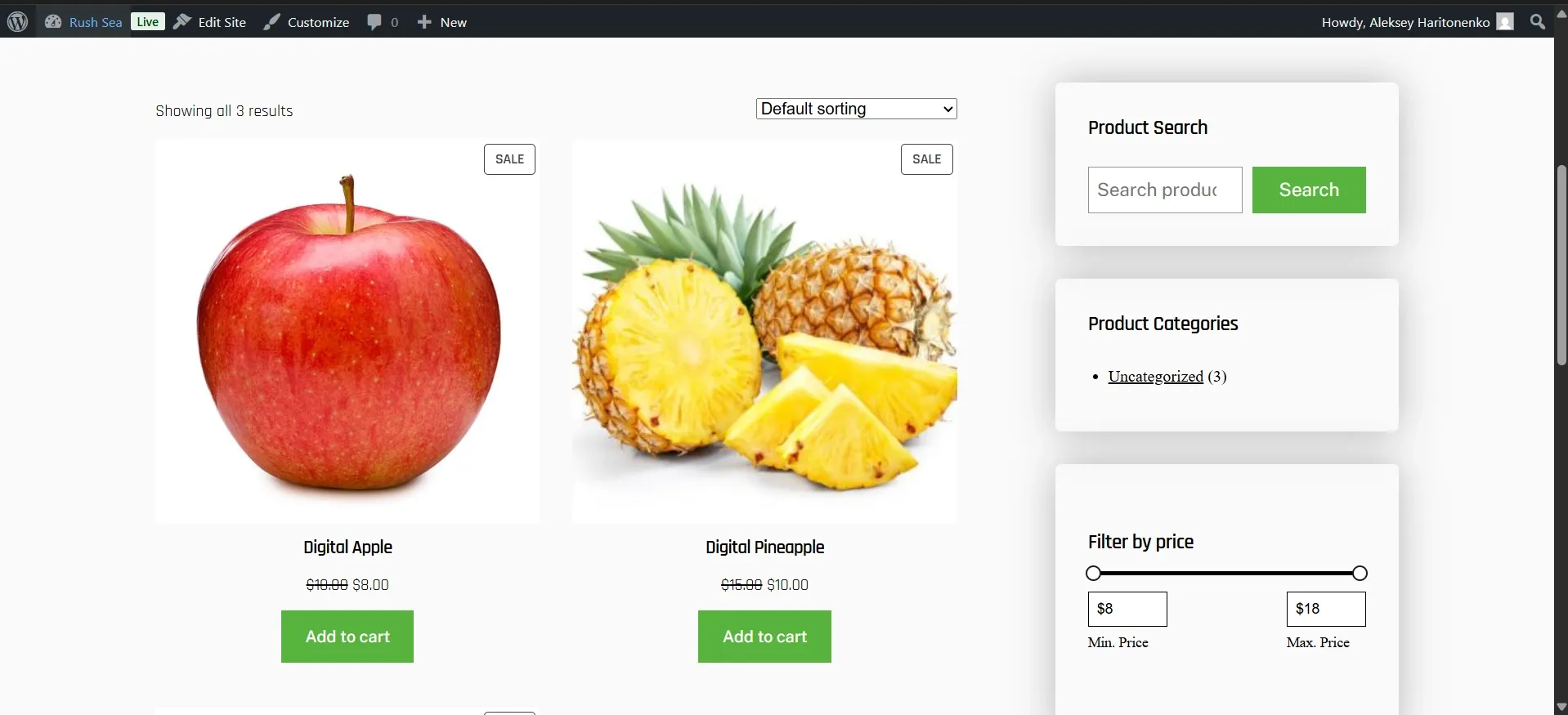
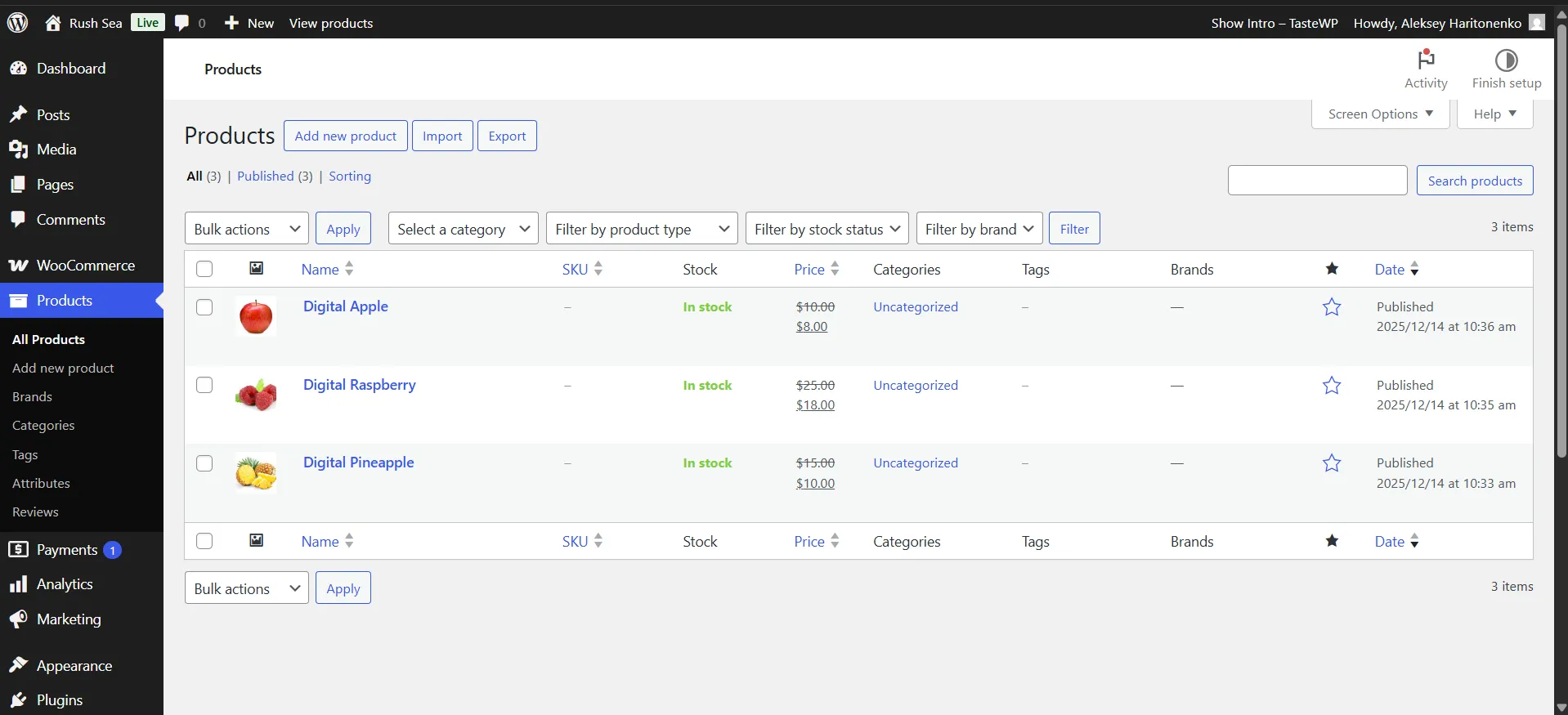
WooCommerce is the “I want to own the stack” alternative to Lemon Squeezy. It’s a WordPress-powered e-commerce platform that’s fully customizable, and you’re free to choose your hosting, theme, and extensions instead of being boxed into one bundled platform.
The tradeoff is obvious: you get flexibility, but you also inherit decisions. Hosting, performance, security, and “which plugins do I trust” become your job (or your developer’s job).
WooCommerce even calls out that quality hosting commonly starts around $250/year (around $20/month) and scales up depending on needs.
Why I picked WooCommerce
If you’re already living in WordPress (or want full control compared to other alternatives to selling on Lemon Squeezy), WooCommerce gives you the most flexibility of any option on this list.
Standout features
- Free setup via open-source WordPress plugin
- Full ownership and control
- Highly customizable via more plugins
- Supports physical and digital products
- Built-in payment management
- No platform lock-in (aside from WordPress)
Products you can sell
- Physical products
- Digital products
- Services/bookings (via extensions)
- Subscriptions (via WooCommerce Subscriptions)
Integrations
WordPress, WooPayments (Apple Pay, Google Pay), Stripe, PayPal, Zapier, Webhooks, REST API, Google Analytics, Google Listings & Ads (Google Merchant Center), Facebook & Instagram, TikTok, Mailchimp, Klaviyo, ShipStation.
Pricing
The WooCommerce core plugin is free. The overall running costs depend on factors like hosting, domain, theme, etc. WooCommerce estimates that “quality hosting” starts at around $250/year.
Note that additional WooCommerce extensions (e.g., WooCommerce Subscriptions, WooCommerce Bookings, etc.) often cost extra.
Pros and cons
ThriveCart: Best Lemon Squeezy alternative for funnel creators
Quick overview
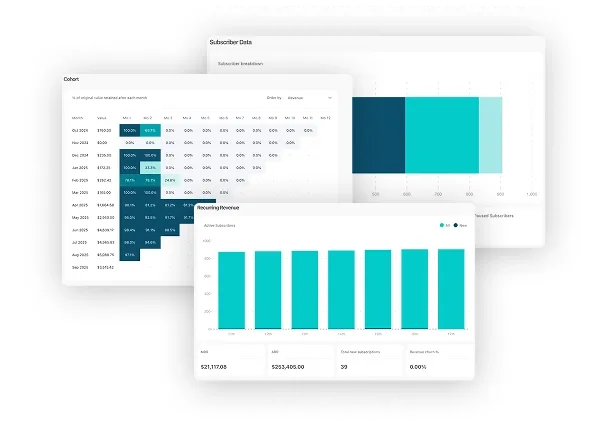
ThriveCart is basically “what if your cart was a tiny sales team.” The pay-once-use-forever deal sets it apart in a market of mainly subscription-based tools.
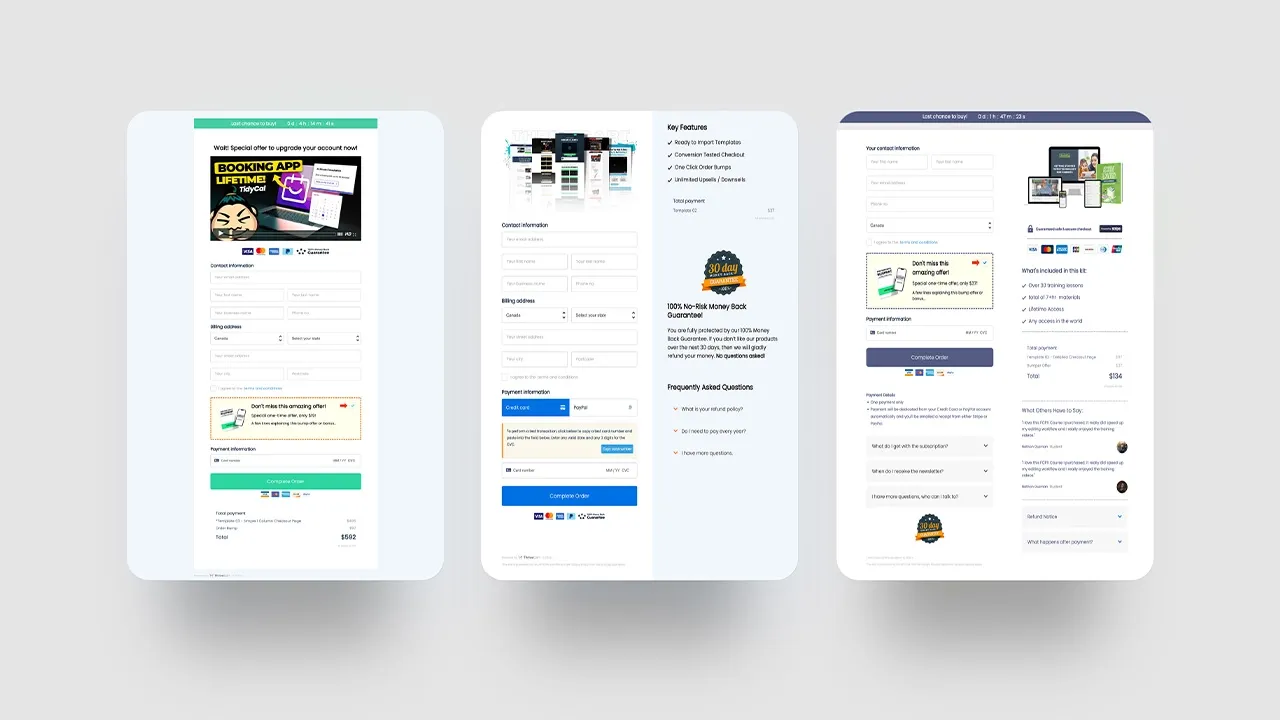
Where it’s better than Lemon Squeezy: high-converting checkout pages, one-click upsells, order bumps, subscriptions, A/B testing, and a solid affiliate center. Checkout customization gives you deep control over layout and other design details that other shops like Lemon Squeezy keep locked.
But ThriveCart is not without its downsides. The upfront cost is steep without any sort of free trial or plan. So **you're committing to a large payment without even testing.
Standout features
- Checkout pages designed to boost conversions
- Built in funnels for full sales flows
- One click upsells and order bumps
- Strong, full featured affiliate management
- Handles subscriptions and recurring payments
- Advanced tools for taxes and detailed reporting
Products you can sell
- Digital products
- Online courses, memberships, subscriptions
- Recurring subscriptions
- Physical goods
- Services, coaching, consulting
- Bundles
Integrations
ActiveCampaign, Flodesk, AWeber, ConvertKit, Drip, GetResponse, HubSpot, Infusionsoft, Mailchimp, MailerLite, Moosend, Ontraport, Sendy, Klaviyo, Google Sheets, Kunaki, Lulu, Vervante, Pabbly, Disk.com, Printful, Shippo, ShipStation, Lifter LMS, MemberMouse, Kajabi, MemberPress, OptimizePress, Wishlist Member, Teachable, Thrive Apprentice, PMP, Slack, StealthSeminar, Demio, Stripe Connect+, PayPal, Apple Pay, Google Pay, Authorize.Net, Crypto Payments, Stripe Capital, Zapier, WooCommerce, Podia, Thinkific, Maropost, Convertri, Google Analytics.
Pricing
Starting plan: ThriveCart Basic ($495 one-time)**
- Unlimited Bump Offers and Upsells
- Comes with our Basic LMS - Learn
- Customized Cart and Checkout Pages
- Integrations with Payment Processors
- Unlimited Products & Funnels
- 1-Click Upsells & Down Sells
- Advanced Funnel Automation
- A/B Split Testing
- Abandon Cart Recovery
- Checkout in 100+ Countries
- BNPL, Split Pay, Pay-As-You-Like & Subscription Billing
- Student LMS
- 40+ Direct Integrations Best value plan: ThriveCart Pro+ ($790 first payment, then $295/year from year 2)
- Everything in Basic
- Pro+ Sales & Reporting Tools (annual cost)
- Multiple Order Bumps (↑ 30% AOV increase)
- Crypto Payments (↑ 7% AOV increase)
- Tax Inclusive Pricing (↑ 22% sales increase)
- Sales Tax Automation
- QR Codes
- Subscription 1-Click Upgrades & Downgrades
- Subscription Dunning
- Subscription Analytics & Funnel Comparisons
- Affiliate Center & Automated Payouts
- Joint Venture Platform & Automated Payouts
- Coupons Offers & Analytics
- UTM Tracking
- Custom Branding & Domains
- Multi-user Permissions
- Business Intelligence Reporting Free trial is not available
Pros and cons
Big Cartel: Best Lemon Squeezy alternative for small catalogs
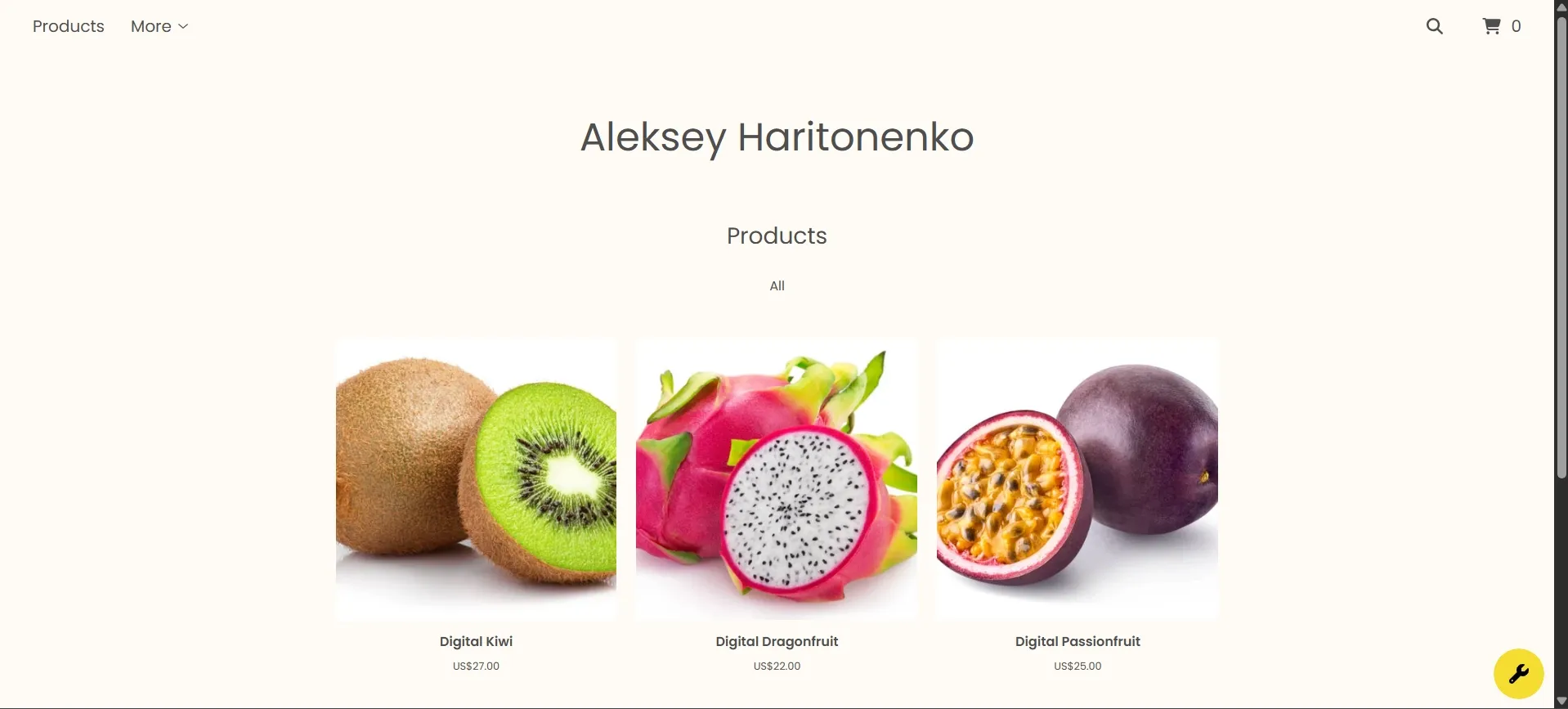
Big Cartel is one of the simplest stores like Lemon Squeezy if your catalog stays tiny. You can set up a simple storefront, add a small product lineup, pick a theme, connect payments, and go live in an afternoon. There is very little to configure, which makes it feel calmer than many sites similar to Lemon Squeezy.
The downside: you trade that simplicity for fewer marketing tools, weaker digital product support, and far less flexibility than other Lemon Squeezy alternatives on this list.
Why I picked Big Cartel
If you want a clean little shop to sell your work and move on with your life, Big Cartel stays out of your way.
Standout features
- Simple storefront for creatives
- Minimal setup and maintenance
- Free plan for small catalogs
- Basic product and order management
- Tailored to artists and small brands
- Easy-install apps for POD, reviews, and more
Products you can sell
- Physical products
- Digital products (paid plans only)
Integrations
Stripe, PayPal, Afterpay/Affirm (BNPL via Stripe), Printful, Mailchimp, Zapier, Google Analytics (GA4), Facebook Pixel, TikTok Pixel, Pinterest Tag, Google Search Console, Big Cartel API + Webhooks.
Pricing
Starting plan: Gold ($0/month)**
- 5 product listings
- One image per product
- Access to 1 template Best value plan: Platinum ($15/month)
- 50 listings
- 5 images per product
- Access to template library
- Sell digital products
Pros and cons
A simple way to migrate from Lemon Squeezy
When you want to move off Lemon Squeezy, start by exporting whatever data you can, then use it to recreate your products and set up on your new platform. After that, run test purchases, check subscriptions and email flows, let customers know about the change, and swap all your old links to the new system.
The table below breaks down what is and isn’t exportable from Lemon Squeezy.
| Data/asset | Exportability | Notes |
| Orders/purchase records | Yes | Export orders to CSV from the Orders page. |
| Customers (buyer records) | Yes (via API) | You can retrieve customers via the Customers API endpoints. |
| Active subscriptions | Yes | Subscriptions can be exported (CSV) from the Subscriptions area (plus subscription invoices). |
| Email subscribers list | Yes | Export subscribers (includes customers + manually added subscribers). |
| Products/product details | Yes (via API) | Products can be retrieved via the Products API. |
| License keys (if you use licensing) | Yes (via API) | License keys are available via API endpoints. |
| Checkout design/hosted store setup | Rebuild | Lemon Squeezy is a Merchant of Record (MoR) platform; when you move, you typically rebuild checkout/store UX on the new platform. |
Steps to migrate from Lemon Squeezy
Moving off Lemon Squeezy is basically an export and rebuild project. Because it acts as a Merchant of Record, you cannot lift and shift your whole setup. Some data comes with you. Most of the structure has to be recreated on your new platform.
Here’s how to handle Lemon Squeezy migration properly.
- Export your historical data First, grab everything you need for records and support: orders and invoices (CSV), subscription lists (active, canceled, past), customer and buyer data (via export or API), and email subscribers if you used Lemon Squeezy’s email tools. Treat this as reference data for reporting and customer history. You usually cannot re-import it cleanly into another MoR or checkout platform.
- Rebuild products on your new platform Then recreate products manually: names, descriptions, prices, currencies, one-time vs recurring plans, trials, billing intervals, and tax or VAT rules. Once you leave an MoR, getting taxes right becomes your job. Product metadata and logic will not move over automatically, so think of this as a clean rebuild.
- Treat subscriptions with extra care This is the sensitive part. Stored payment methods are not portable under PCI rules, and subscriptions cannot be migrated automatically. In practice, you either keep existing subscribers on Lemon Squeezy or ask them to re-subscribe on the new system, ideally with a discount or bonus to limit churn.
There is no fully automatic, zero-friction subscription migration here.
- Rebuild checkout, emails, and automations Finally, set up new checkout pages, confirmation emails, invoices, analytics, tracking, webhooks, and any email, affiliate, or license workflows again. None of that logic exports in a plug-and-play format.
Which Lemon Squeezy alternative is best in 2026?
There is no single “best” alternative to Lemon Squeezy. It comes down to what you sell, how comfortable you are with tech, and how many moving parts you want to manage.
If you want a store-centered Lemon Squeezy alternative that just works without bolt-ons, I would start with Sellfy. You get a real storefront, email marketing, upsells, cart recovery, analytics, and print on demand, with zero platform transaction fees. You are not wiring together four tools just to ship a few products.
If your business is built around courses, memberships, or community, Podia is a better fit than trying to bend Lemon Squeezy into a course platform. It treats you like an educator first.
On the low-commitment side, Gumroad and Payhip are handy for testing ideas. Gumroad is the fastest way to spin up a basic product page. Payhip gives you a fuller toolset on a free plan.
For heavy checkout optimization, SamCart and ThriveCart beat Lemon Squeezy’s product pages.
For serious e-commerce with larger catalogs or physical goods, Shopify and WooCommerce are better than Lemon Squeezy.
For most creators like me, though, Sellfy is the strongest all-around alternative to Lemon Squeezy.

Tips & Tricks



Tips for creators
Join thousands of creators receiving sales tips, marketing resources, and inspiring stories. No spam, pure value.