- tips & tricks
- |By Susanna Puusaag, Last Updated:
37 Ecommerce Statistics for 2026: Market Size, Growth & Trends
Online shopping keeps growing, just more slowly and more unevenly than in the boom years. Mobile now carries most holiday spending, AI assistants are sending real traffic to stores, and social platforms like TikTok Shop have become sales channels in their own right.
We pulled together 37 current ecommerce statistics from sources like EMARKETER, the US Census Bureau, Adobe, Worldpay, Salesforce, and Baymard Institute. Each one links to where it came from, and we note when a number is a forecast rather than a measured result.
Global retail ecommerce sales are forecast to reach $6.88 trillion in 2026, about 21.1% of all retail sales (Shopify, citing EMARKETER).
Global ecommerce market size & growth
Ecommerce is still gaining share of retail every year, but growth has settled into single digits.
- $6.42 trillion in 2025. Worldwide retail ecommerce sales were forecast at $6.419 trillion in 2025, up 6.8% year over year, the slowest growth since 2022 (EMARKETER).
- More than 1 in 5 retail dollars. Ecommerce makes up 20.5% of global retail sales in 2025, up from 19.9% in 2024 (EMARKETER).
- $6.88 trillion in 2026. Global retail ecommerce is projected to grow 7.2% to $6.88 trillion in 2026, then reach $7.375 trillion in 2027 and $7.886 trillion in 2028 (Shopify, citing EMARKETER).
- 22.5% of retail by 2028. Ecommerce's share of global retail is projected at 21.1% in 2026 and 22.5% in 2028 (Shopify, citing EMARKETER).
- $39.7 trillion including B2B. Counting business-to-business and consumer-to-consumer sales as well, the total ecommerce market is estimated at $39.7 trillion in 2026, up from $33.9 trillion in 2025 (Grand View Research).
- $1.29 trillion in two months. Global online holiday sales reached $1.29 trillion in November and December 2025, up 7% year over year (Salesforce).
US ecommerce statistics
- $340.2 billion in a single quarter. US retail ecommerce sales were $340.2 billion (seasonally adjusted) in Q2 2026, according to the Census Bureau's first estimate (US Census Bureau).
- 17.1% of US retail. Ecommerce made up 17.1% of total US retail sales in Q2 2026 (US Census Bureau).
- 7.9% growth in 2026. US online sales are forecast to grow 7.9% in 2026 (EMARKETER).
Sellfy is the store builder behind 75K+ creators. One flat monthly fee, and no commissions on your sales.
Mobile commerce statistics
Most online holiday money in the US is now spent on a phone, and the share rises every year.
- 56.4% of holiday spending on mobile. Mobile accounted for 56.4% of US online holiday spending in 2025, up from 54.5% in 2024 (Adobe).
- 57.4% forecast for 2026. Adobe expects mobile to reach 57.4% of US online holiday spending in 2026 (Adobe).
- $8.2 billion on phones on one day. On Cyber Monday 2025, mobile drove 57.5% of US online sales, or $8.2 billion, up 8% year over year (Adobe).
- A record 63% on Thanksgiving. Adobe expects a record 63% of online spending on Thanksgiving 2026 to come through mobile devices, up from 61.6% in 2025 (Adobe).
Online payment statistics
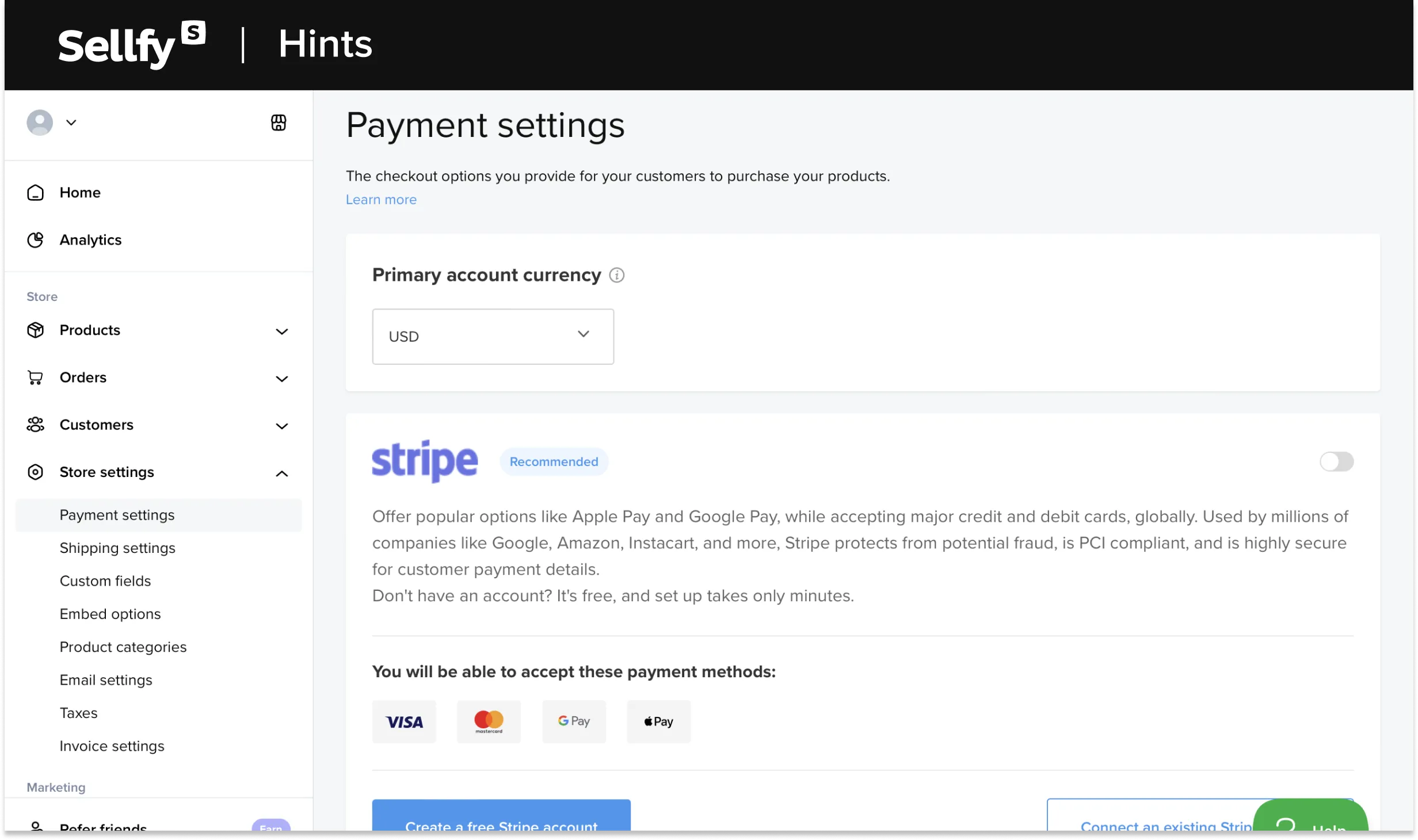
- Digital wallets lead online checkout. Digital wallets such as Apple Pay, Google Pay, and PayPal accounted for 56% of global ecommerce transaction value in 2025 (Worldpay Global Payments Report 2026).
- 63% by 2030. Worldpay forecasts digital wallets' share of global ecommerce value to rise from 56% to 63% by 2030 (Worldpay, via Stacker).
- 6% of US ecommerce via Buy Now, Pay Later. BNPL accounted for 6% of US ecommerce value in 2025 and is forecast to grow 13% a year through 2030 (Worldpay).
- $20 billion in BNPL over the holidays. Buy Now, Pay Later drove $20 billion in US online holiday spending in 2025, up 9.8% year over year (Adobe).
Social commerce statistics
Social platforms are no longer only where shoppers discover products. A growing share of purchases now happens inside the apps.
- $87 billion in US social commerce. US social commerce sales reached $87 billion in 2025, up 21.5%, and are projected to pass $100 billion in 2026 (EMARKETER, via Mass Market Retailers).
- TikTok Shop doubled in the US. TikTok Shop's US sales reached an estimated $15.8 billion in 2025, up 108%, or 18.2% of US social commerce (EMARKETER, via Mass Market Retailers).
- $64.3 billion worldwide. TikTok Shop's global gross merchandise value was an estimated $64.3 billion in 2025, up 94% (Momentum Works).
- 78% are influenced by brand posts. 78% of US consumers say brand posts on social media affect their buying decisions (Clutch).

AI and online shopping statistics
AI assistants became a measurable traffic source for online stores in 2025, and the visitors they send tend to buy.
- Generative AI traffic up 693%. Traffic from generative AI tools to US retail sites rose 693.4% year over year during the 2025 holiday season (Adobe).
- AI visitors convert better. Visitors referred by AI tools converted 31% better than other traffic sources during the 2025 holiday season (Adobe).
- 38% have shopped with AI. 38% of US consumers have used generative AI for online shopping, and 52% plan to (Adobe).
- $262 billion influenced by AI. AI and AI agents influenced $262 billion, or 20%, of global online holiday sales in 2025 (Salesforce).
- 65% will use AI for holiday shopping. 65% of US consumers plan to use AI for at least one part of their 2026 holiday shopping (Narvar, via Retail Customer Experience).
- From 3.2% to 15.8% of sales. AI-driven sales are forecast to grow from 3.2% of US retail ecommerce in 2026 to 15.8% in 2030 (EMARKETER).
Conversion and cart abandonment statistics
- 70.22% of carts are abandoned. The average documented online shopping cart abandonment rate is 70.22%, based on 50 studies (Baymard Institute).
- Extra costs are the top reason. 40% of US shoppers who abandoned a checkout did so because extra costs (shipping, tax, fees) were too high. Slow delivery (20%), not trusting the site with card details (19%), and being forced to create an account (18%) follow (Baymard Institute).
- About 3 in 100 visits convert. The average ecommerce conversion rate was 2.9% in 2024: 3.2% on desktop and 2.8% on mobile (Dynamic Yield, via Smart Insights).
Hidden fees and forced sign-ups are within a seller's control. Showing the full price early and offering guest checkout removes several of the top reasons people leave.
Sellfy is the store builder behind 75K+ creators. One flat monthly fee, and no commissions on your sales.
Print-on-demand statistics
- A $13.1 billion market in 2026. The global print-on-demand market was valued at $10.8 billion in 2025, is estimated at $13.1 billion in 2026, and is projected to reach $57.5 billion by 2033, a 23.6% annual growth rate (Grand View Research).
- North America leads. North America accounted for 36% of the print-on-demand market in 2025 (Grand View Research).
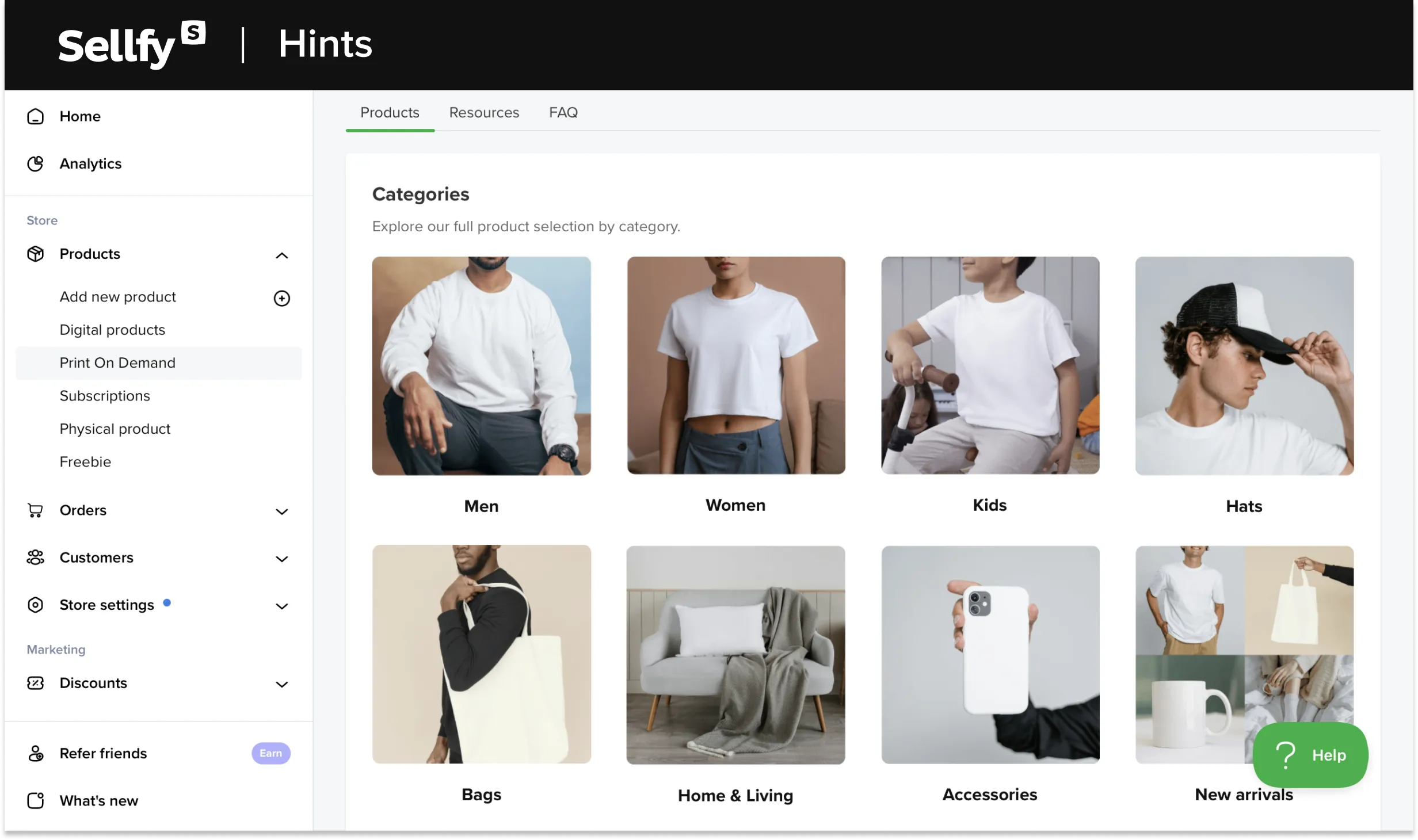
Print-on-demand lets creators sell merch without holding stock: an item is printed and shipped only after someone orders it.
Creator economy and digital product statistics
Digital products such as ebooks, courses, templates, and presets sit inside two fast-growing markets: the creator economy and online learning.
- A $310 billion creator economy. The global creator economy was valued at $252.3 billion in 2025, is estimated at $310.4 billion in 2026, and is projected to reach $1.35 trillion by 2033 (Grand View Research).
- Online learning keeps growing. The global e-learning services market was valued at $353 billion in 2025, is estimated at $417.1 billion in 2026, and is projected to reach $1.49 trillion by 2033 (Grand View Research).
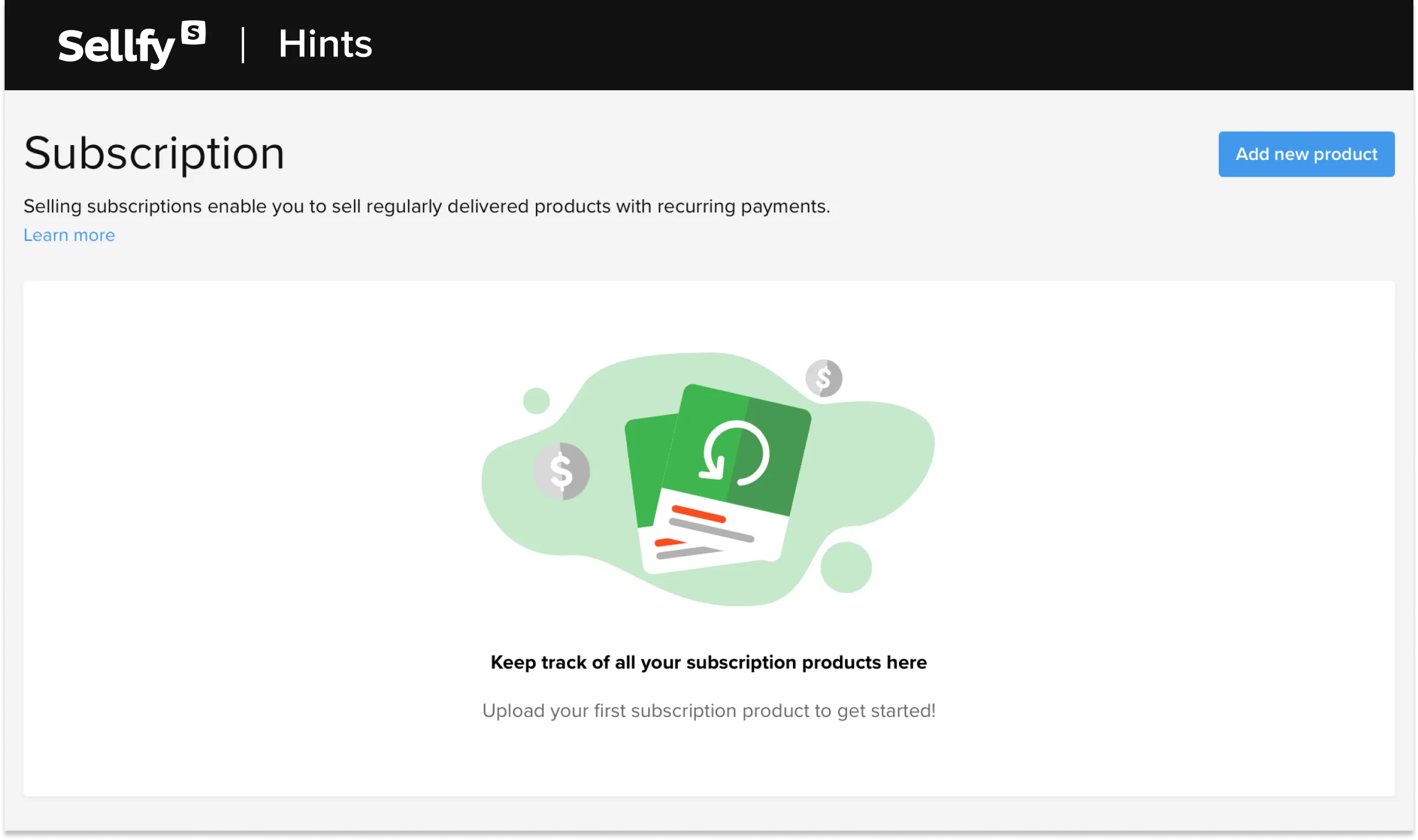
Because a digital product costs nothing to store or ship, every extra sale is close to pure margin. Selling subscriptions on top, such as a monthly template drop or a members-only library, turns one-off buyers into recurring revenue.
Holiday shopping statistics for 2026
- A record $275.1 billion season. Adobe expects US online holiday spending to reach $275.1 billion from November 1 to December 31, 2026, up 6.7% (Adobe).
- $47.5 billion over Cyber Week. Cyber Week is forecast at $47.5 billion (up 7.4%), including $15.1 billion on Cyber Monday (November 30), $12.9 billion on Black Friday, and $6.9 billion on Thanksgiving (Adobe).
- Up from $257.8 billion. US shoppers spent a record $257.8 billion online during the 2025 holiday season, up 6.8%, including $14.25 billion on Cyber Monday and $11.8 billion on Black Friday (Adobe).
Planning a Cyber Week sale? Our guide to breaking your Black Friday and Cyber Monday sales record covers discounts, bundles, and emails you can set up in a few days.
Key takeaways for 2026
- Ecommerce is still taking share from physical retail, but at a steadier pace: about 7% global growth a year.
- Mobile is the default for holiday shopping, so test your store and checkout on a phone first.
- Digital wallets and BNPL keep growing; offering the payment methods buyers already use removes friction at checkout.
- Social platforms and AI assistants are now real sources of buyers, not only of awareness.
- Cart abandonment is still about 70%. Clear pricing, guest checkout, and abandoned-cart emails are the easiest wins.

Tips & Tricks



Tips for creators
Join thousands of creators receiving sales tips, marketing resources, and inspiring stories. No spam, pure value.