- success stories
- |By Zane Skuja, Last Updated:
From Broke to $600 in a Day: How One Product Launch Changed Everything for This Music Producer
At age eight, Raymond started making beats on his mom's laptop. By seventeen, he had a record with Lil Baby. But for this Detroit-based music producer, learning to turn music into a living came with some tough lessons about royalties, contracts, and who to trust.
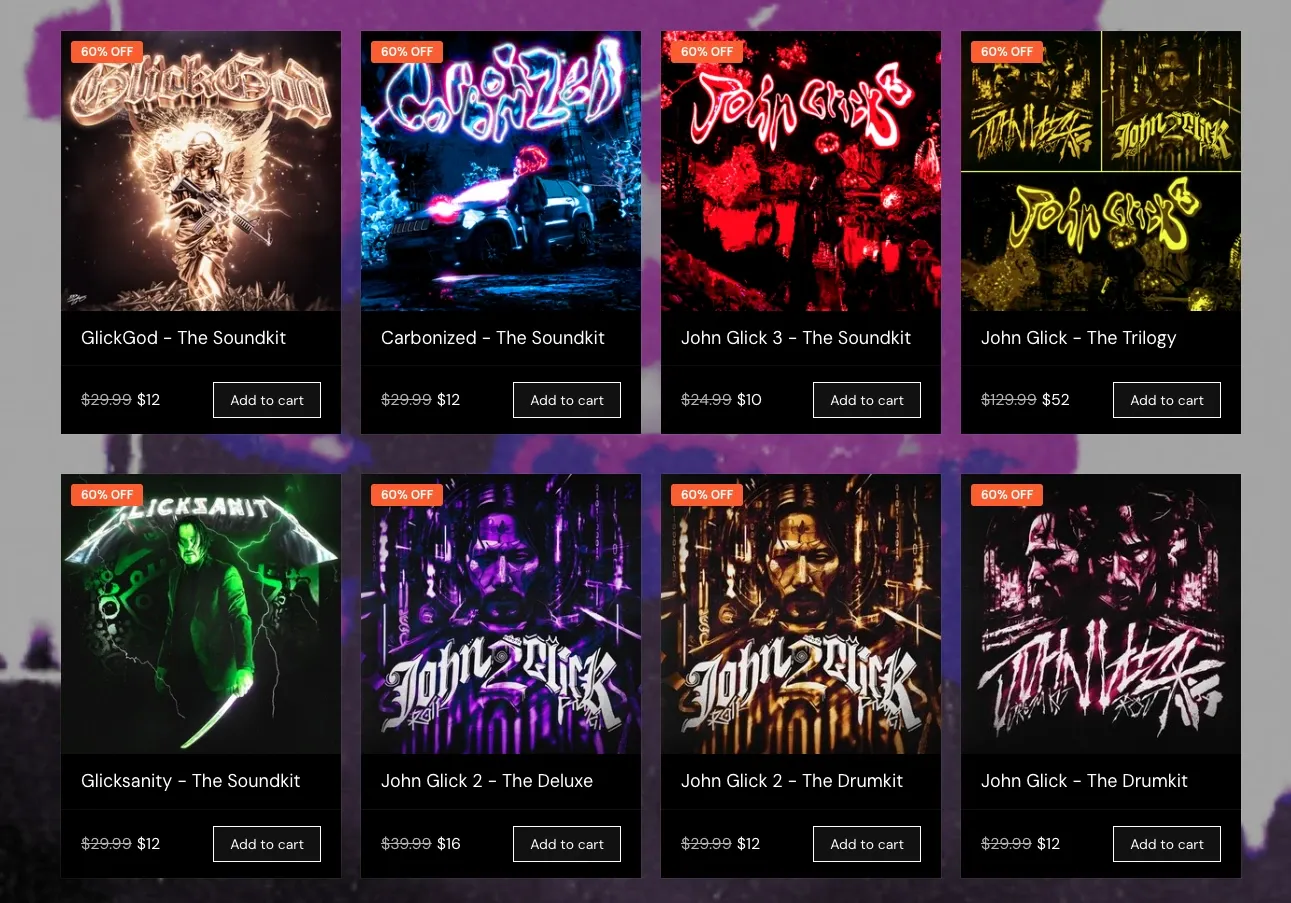
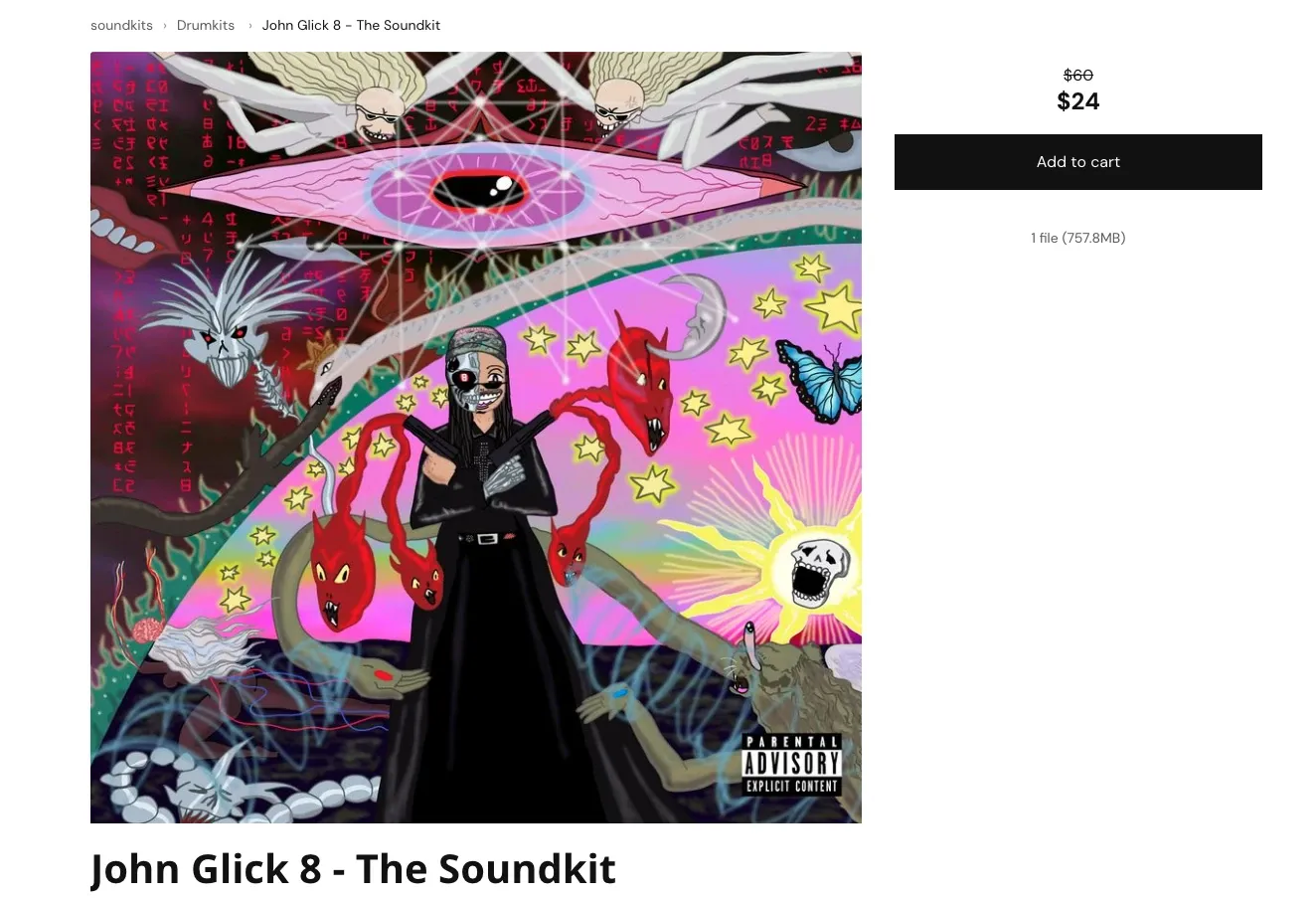
Then his love of John Wick sparked an idea. He created the character John Glick and built sound kits around it, complete with weapon-inspired sound names and distinctive artwork.
When his first Sellfy launch brought $600 in a single day, making music for a living suddenly felt possible, especially after 200 unsuccessful job applications.
Now, Ray produces music as rott, and his Sellfy store brings in roughly half his income. He sells his kits by showing his sounds in action on his YouTube channel, connecting with fellow producers on Discord, and using Sellfy's email campaigns and discounts.
In this interview, Raymond shares how he markets his sound kits, and why he calls his progress "a walk." For him, building something that lasts means taking his time and making sure everything he builds sounds, looks, and feels like him.
How did you start making music?
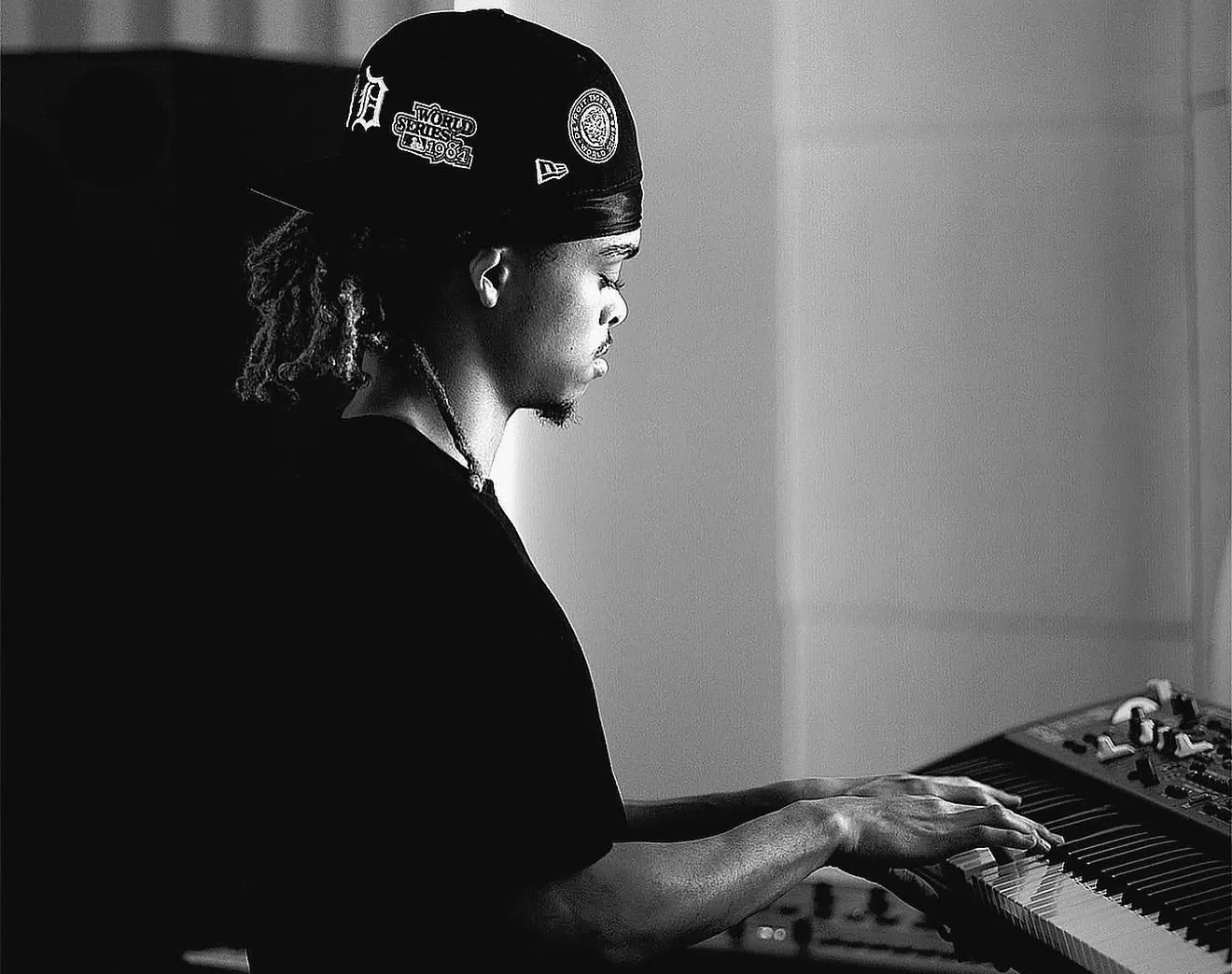
I started making beats when I was about eight. My life has always revolved around music, mainly because my family also made music.
At some point, I found out I could make beats on a computer. I was too young to understand what others were doing, but I heard that everybody was using FL Studio.
My mom had a laptop she used for work. Whenever she left it sitting there, I'd play games on it, and when I was done, I wanted to try making music. So I found a free website to make beats.
Long story short, when I was 14, I started using FL Studio. My brothers were using it, and I'd seen producers like Southside and Lex Luger making beats, so that inspired me, too.
How did you make your first sales?
At first, I was selling beats on websites like BeatStars and TRAKTRAIN. I got my first sale, and in my young mind, I was like, "I'm about to get rich."
I had a pretty hard upbringing, and so I was very motivated to keep selling and use those sales to get food and stuff. We had food, but it wasn't always the food I wanted.
Sellfy is the store builder behind 75K+ creators. One flat monthly fee, and no commissions on your sales.
Eventually, I was able to start buying my own things, like little stuff off Wish.com and Amazon. I was amazed I could get money without having a "real" job.
So, I knew I had to keep making and selling beats. Over time, that changed into selling sounds and kits and making music with other artists.
When did you start collaborating with artists and other producers?
From the jump, I'd say. I had a friend who helped me get FL Studio, and the collaborations started pretty much from there.
I was getting songs with a lot of artists, but they were mostly C-list and D-list underground artists.
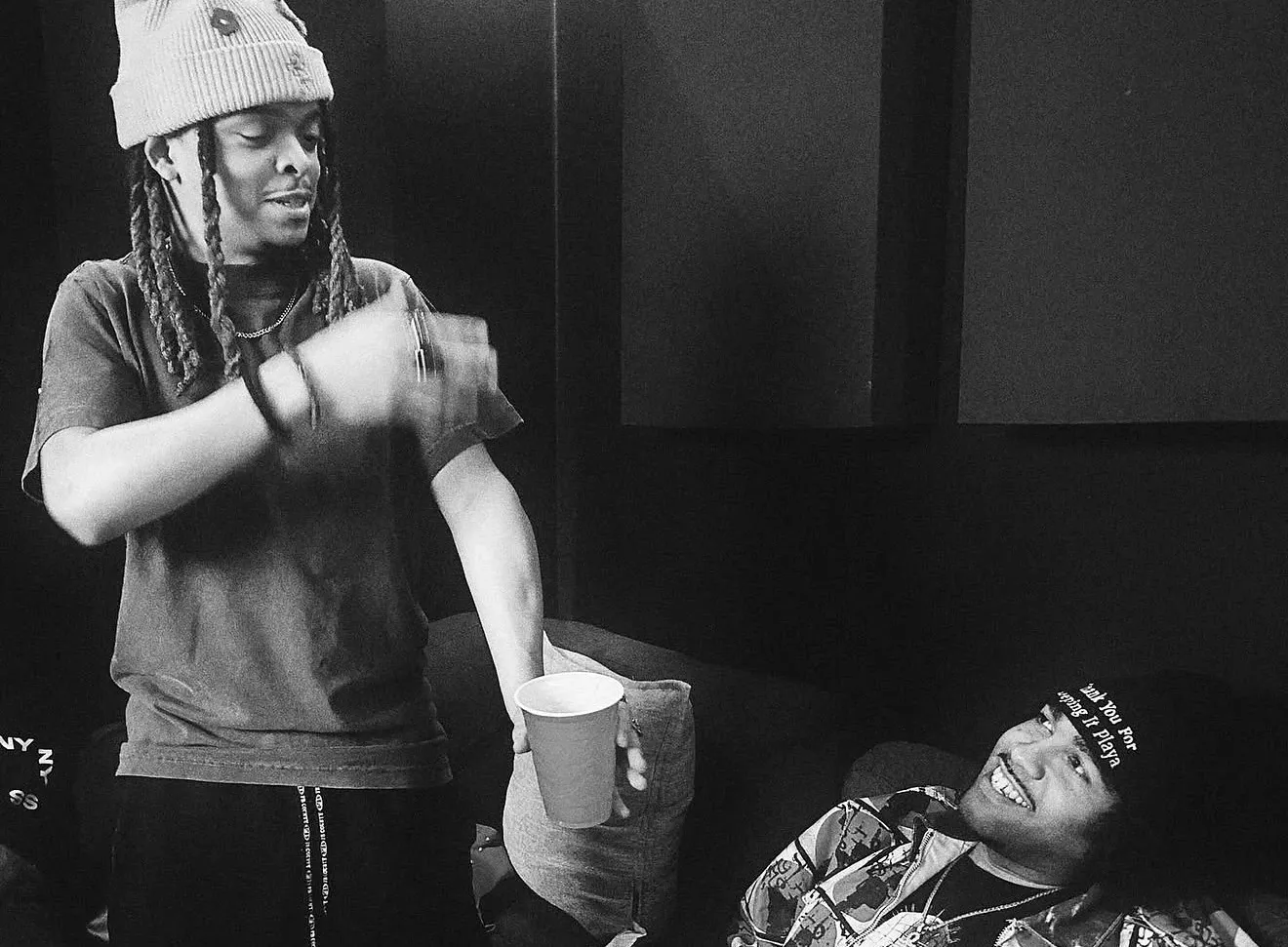
When I was 17 and still in high school, I got my first real record with Lil Baby. That changed everything. I was like, "Bro, nobody can tell me nothing, because I got a song with Lil Baby."
How did that collaboration with Lil Baby affect your income, and what did you learn?
At first, I didn't really care about the back end. I thought that getting the advance was it. I didn't really understand what $1,000 was until I turned 18 or 19.
A lot of people aren't willing to do their research, and I made that mistake at the beginning, too.
You have to make sure you're collecting all the types of royalties: mechanicals, publishing, and everything else. Then you have your front end and advances.
You have to look at things like getting a publisher to collect your mechanicals and making sure your SoundExchange is together. It's more than just performance rights. You want the full package of what you own.
If you have a song with 20 million streams and you're the only one who produced it, that's a lot of money sitting on the table. You want to get everything you deserve.
How did you learn the business side of music production?
The hard way. Getting ripped off, messing with people I had no business messing with. Eventually, I found better people, managers, and entertainment lawyers.
Part of it is networking and asking for advice and recommendations from people who are more successful than you in that area.
Entertainment lawyers really help with that, and a manager or another producer who can help you can go a long way. All those things helped me because at the beginning, I had no idea.
Why did you move to Sellfy and start your own shop?
I was selling beats, and then I tried selling sound kits on BeatStars, TRAKTRAIN, and Payhip. Those weren't successful for me. I stopped completely and started anonymously making beats for people to appreciate.
My friend Deedotwill has been on Sellfy since before I was serious about making beats, so he knew all the ins and outs. I decided to get on Sellfy, too.
In January 2023, I made my first product on Sellfy - John Glick One. I like John Wick, so I named all my sounds after different weapons and made this little character called John Glick.
"I made $600 in one day from that first launch on Sellfy. And that was the moment I decided music is what I'll be doing. I was done with everything else."
The launch was around January 23, 2023, about two days after a song I had with Trippie Redd came out. It was a pivotal moment in my career.
How did you develop your brand and content style?
When I was 14 going on 15, I changed my name. Before that, it was L Ram Beats. Then I changed it to Rott, which is "Ray on the track," abbreviated. And I started creating an image around it.
I used to make these evil, dark trap beats, and I knew I had to make it presentable. I drew inspiration from some of my favorite producers.
With my brand, I always wanted to stand out, but I also wanted to be pure and have a message attached to my product, even if it's just in the art.
The personality, respect, imagination, and innovation come with every John Glick and every kit I make. That's why I respect producers like Deedotwill so much. He's always had that, and we share that artistic nature when it comes to sounds and visuals.
That's what drives everybody crazy about our stuff. It's the personality. When I stream, my main thing is my goofiness. I make sure that's in everything I do, even my music and art. Everything I do has to make a statement of who I am.
What goes into driving sales beyond posting on social media?
To me, first of all, everything needs an art style. A lot of effort goes into that, and I work with people who understand what I'm trying to do and the references I'm making.
Most people are drawn to the most popular thing. I'm strategic and passionate, but you have to make your product the most popular thing to yourself first.
"Test your own product and ask, 'If somebody else sold me this, would I be satisfied?'"
Then everything else is fairness, presentation, professionalism, and learning about social media algorithms. Giveaways, YouTube, clickbait, email campaigns, freebies.
I love the freebies feature on Sellfy. I just released my first one.
Which social media channel drives the most engagement for you?
The first four to six kits I dropped were all promoted on my Instagram. I already had an audience from making beats and people finding mutual connections.
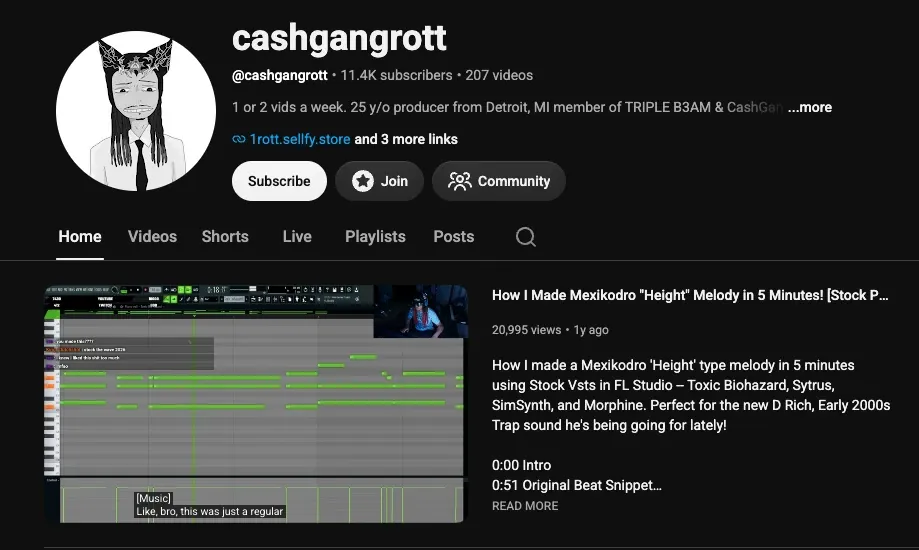
But now, it's mainly YouTube. When I stream, I have a timer bot in my chat that posts links to my Sellfy, and people go check it out. I also show myself using my products.
On my streams, people get to hear me talk about my purpose and why I do things, and that builds a connection with them.
What marketing tools and approaches work for you?
My Discord has about 1,500 producers in it, and I always announce what I'm doing there. For example, I just dropped an instrumental album with my last product. It already has 10,000 streams, and it's been less than a month, which is cool.
Sellfy is the store builder behind 75K+ creators. One flat monthly fee, and no commissions on your sales.
You have to know what you want, but you also have to know your audience and how you can evolve that. If you've got that down, your social media down, and you let people know what's about to drop, you're good. Everything else is presentation.
How do you use Discord to connect with your community?
On Discord, I have a welcome channel, an announcements channel, and a community where people can talk about everyday things. I make jokes and send memes all the time. Producers ask questions there, including questions for me.
I let people promote their own things, whether they're dropping a product, doing art or graphic design, or rapping. People send beats, collaborate, and send things back in those channels. When you have a community like that, people feel like they're part of something.
"There's a Discord for stuff I didn't even know about. There's a whole community for drinking water. That makes me think anything is possible."
I make sure I involve myself in a lot of the conversations. If something happens in the producer community, I'll put my two cents in so they know what I think. If I find something funny, I'll throw it in there. It feels like my little family.
What are your income streams, and how much comes from Sellfy?
My Sellfy store is about half my income, and it pays my bills. I checked this year, and it's about $30,000 just from Sellfy. Sellfy and my royalty checks are the biggest things. Sometimes I make $6,000 in a month just from Sellfy.
I also make voice tags for producers, sell samples through Dropbox, Gmail, and Instagram, and people buy consultations or advice from me, too.
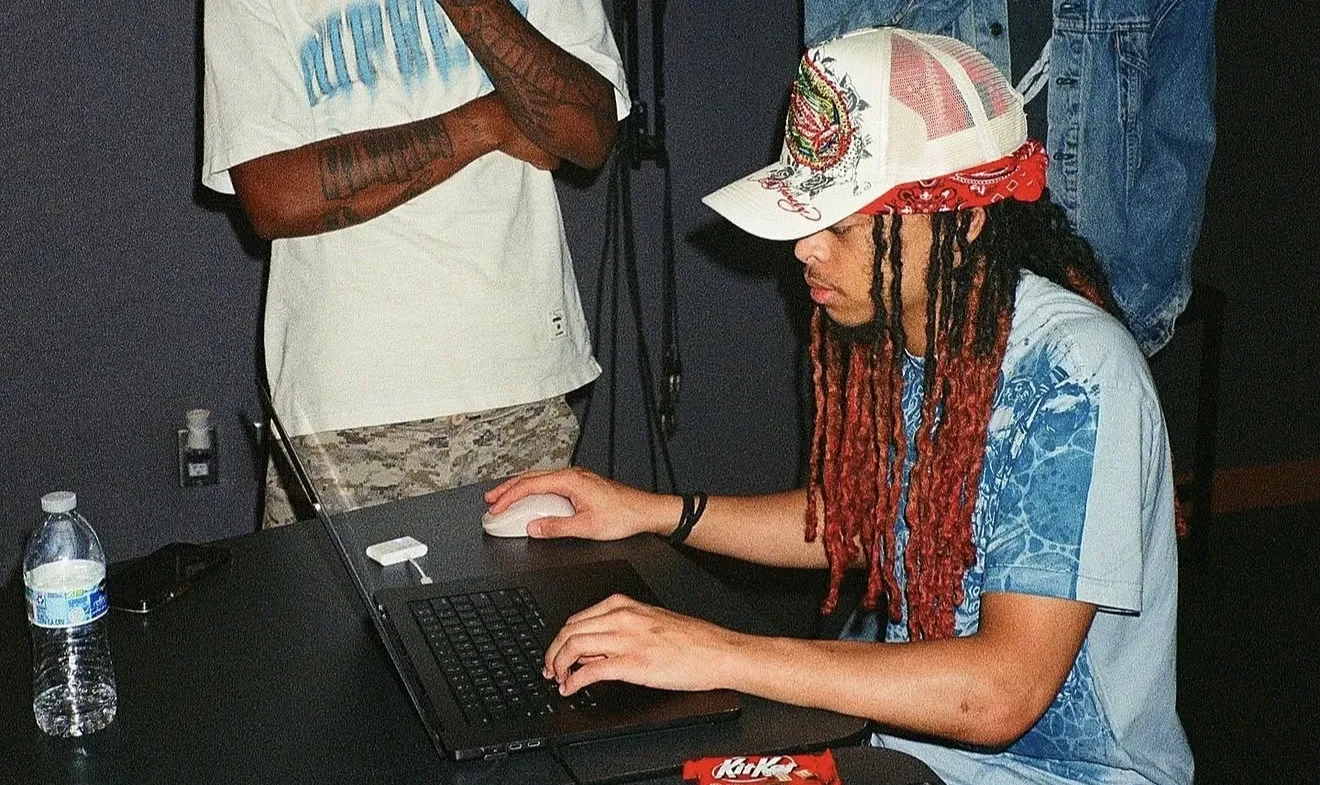
"When I first started, I needed to sell my sounds to survive. I was applying for jobs, I sent about 200 job applications, and I wasn't getting hired. It's crazy to think about it now."
Did you doubt you could make a living from music when you were looking for a job?
If my mom and my friends hadn't believed in me, I wouldn't be where I am. Sellfy helped make it happen, but I was taking a gamble.
I thought, "If I'm not meant to have a job, then I have to do music." I fully dedicated myself to it.
If music hadn't turned out well for me, I was going to go to school to become an entertainment lawyer. Then I dropped John Glick One, put little previews on my Instagram, and everybody went to buy it. That changed everything for me.
What happened when you launched John Glick One on Sellfy?
I was watching my sales go crazy, and the next day was even crazier. I fell asleep, woke up, and looked at my PayPal. There was about $500 in there, and my Stripe account had money too. Hundreds of dollars just sitting there.
"I was so excited transferring that money to my account. Now I didn't have to worry about whether rent was going to get paid. I could just keep promoting the John Glick kits."
Which Sellfy features have helped your business the most?
The two most valuable Sellfy features for me are discounts and email campaigns.
I remember dropping a kit called Glick Files after I moved into this apartment. Honestly, I went broke from the move. We had a lot of stuff to move, the movers overcharged us, and the bills overwhelmed me.
"About a week after the move, I opened pre-orders for Glick Files at midnight, sent an email campaign to announce it, and ended up making around $800 that night."
I made back almost half of what I'd just paid for moving thanks to that pre-order email. I hadn't even posted anything on Instagram yet.
Sellfy allows me to be strategic with discounts. I always want people to feel like they got a steal. When somebody first sees the product, I want them to see its value. Then sometimes I'll knock the price down 50%, 60%, even 75%.
In fact, I just met somebody who had all my kits on their computer. They showed me they'd bought them, and it was cool to see that.
What have been your biggest challenges and mistakes?
When you're trying to release a product and relying on other people, timing is the biggest challenge. Getting the artwork done is challenging because it takes so much time. Some of the people I work with are going through real-life things, including war in their countries. Because of that, sometimes it takes two or three months to get the cover or animation I envisioned.
So I'm starting to learn how to make my own artwork, drawing in notebooks and using Adobe After Effects. I want to get more artistic so I don't always have to rely on somebody else.
Sellfy is the store builder behind 75K+ creators. One flat monthly fee, and no commissions on your sales.
But I love working with people. When somebody draws my stuff and makes what I saw even better than I imagined, it's amazing. It's a community thing because everybody gets paid. I don't have a problem paying people. It's just the time it takes.
"My biggest mistake was thinking everything was a cheat code, a one-two-three formula: do this, then do that. But, music is emotional, and it requires real experiences and emotions. You can make a formula, but you still have to live and experience things to make good music."
Everybody says, "you're on a run. You've been on a run for two years." I'm like, "No. It's a walk." It's a walk because I take my time. Nothing can get in the way of the walk. If you walk, you don't have to run. Everybody else will be running, and you'll be walking, and they'll still see you win first place.
I made the mistake of thinking everything had to happen when I wanted it to. It doesn't. I've won thinking time was on my side, and I've lost thinking time was on my side.
Patience and faith in yourself and whatever you believe in play a big role. I learned you have to be comfortable with losing, with things not being on time, and with something not working. You have to be a good sport in the game, whatever industry you're in.
How do you manage your workload and avoid burnout?
You want the craziest answer I could give you? I don't really plan it. I've freestyled most of the things I've ever done.
When I say something is going to happen, nine times out of ten, it happens. And if I keep doing things consistently, they don't have to happen exactly how I think they should every time.
"There are so many things to do, and that makes me feel free, like I've got wings. It's a blessing to do what I do and make what I make in a year without having to worry about everything happening at a certain time."
I try to stay on top of what I need to do and be consistent. Sound design in my free time. Make videos when nothing's going on. Talk to my Discord. Upload an Instagram Reel or a YouTube Short. Join voice chat or stream.
I try to eat healthy, drink water, go outside, run, and exercise. That's challenging because I freaking love making beats.
I like having some private creative time. I hate to sound arrogant, but a lot of people are copying me and my team right now. Sometimes I just want to make beats and be creative by myself, without feeling like somebody is watching me. That usually happens at night.
Where do you want to take your music and content in the next five to ten years?
I love that question. In my head, music and cars have always gone together. I want to take my content toward how music makes me feel.
Sometimes my music makes me want to do wholesome things, like be around animals and feed them. I have pretty-sounding trap beats for that. But then I have aggressive ones that make me feel like driving fast. Those are my favorites.
"My dream is to own all my dream cars, make beats in them, and make content about it. Besides fashion, that's peak creativity to me. How cars work is amazing to me. I've always wanted to get into the car industry and attract that audience with my beats."
I've watched people do it, including my friends and Deedotwill. When he did it, I realized what my dream was. I want people to understand how it feels, what I think in my head, and how I listen to music. It's a whole lifestyle to me. I see myself doing that in the near future and giving back to the community.
I'm also into politics. I want to be involved in some way because it feels natural to me morally. Things are happening around the world, and I want to be part of something positive, even if it's just sharing my message.
What advice would you give aspiring creators?
- Know your industry. Whatever you want to do, you have to understand your industry and what comes with it. You may not know immediately. You might be like me and learn the hard way first, and that's okay.
- Accept failure. You have to accept that you're going to fail, wherever you are. You're going to fail a lot more than you win. The wins that come later will reflect those failures, even if nobody else sees them. The success my friends and I have comes from not immediately aiming for results. Some successful people do aim for results, but sometimes their success is a trickle-down or a hand-me-down. Sometimes it's their own. Either way, it can die out quickly.
- Be timeless. Be something you would want to be. Follow your heart. You don't want to be somebody who dies out quickly. You want to last. Be a timeless person with a timeless product. Everybody knows who Pharrell is because he makes timeless music. That's why he's one of my favorite producers.
- Be you. Everybody's copying somebody, and you can be inspired, but being inspired and being influenced are two different things. People want you for you. They don't want another Playboi Carti. They want a "you" to happen. You just have to make that happen.

Success Stories


Tips for creators
Join thousands of creators receiving sales tips, marketing resources, and inspiring stories. No spam, pure value.