- Tips & Tricks
- |By Aleksey Haritonenko, Last Updated:
How to sell lesson plans & teaching resources
Every teacher knows that teaching ain’t easy.
A good lesson requires thorough planning, preparation, and tons of practice. And while it’s a noble and rewarding profession, we all know that it’s far from being the best-paying job in the world.
The big question is:
Is it possible for teachers to make extra money without changing their careers?
The simple answer is yes.
As a teacher, you must know how many after-school hours are spent on preparing educational materials for classes. Even if you’re not creating them yourself, then you’re most certainly spending the same amount of time googling them. In short, too much work goes into creating resources that you and your students will use only once.
Once.
Wouldn’t it be great to share your work with other teachers? And wouldn’t it be even better if you got paid beyond your regular salary for the materials you create?
If your answer to both of these questions is yes, you’re in the right place. Today, we’ll discuss why you should sell your teaching resources, share some tips on how to create quality resources, and explain how you can start selling them today.
Can you actually sell your lesson plans
It may come as a surprise but outsourcing educational materials has become a widespread phenomenon among teachers. Demand is proven at scale: one large teacher resource exchange has 3M+ materials and 1B+ downloads. Nearly 96% of teachers use Google to find lessons and materials, so buyers already search for solutions like yours.
Why has it become so important?
In the 2025-2026 school year, teachers faced a historically low average salary of $74,200. When adjusted for inflation, that's actually less than the average earned in 2000.
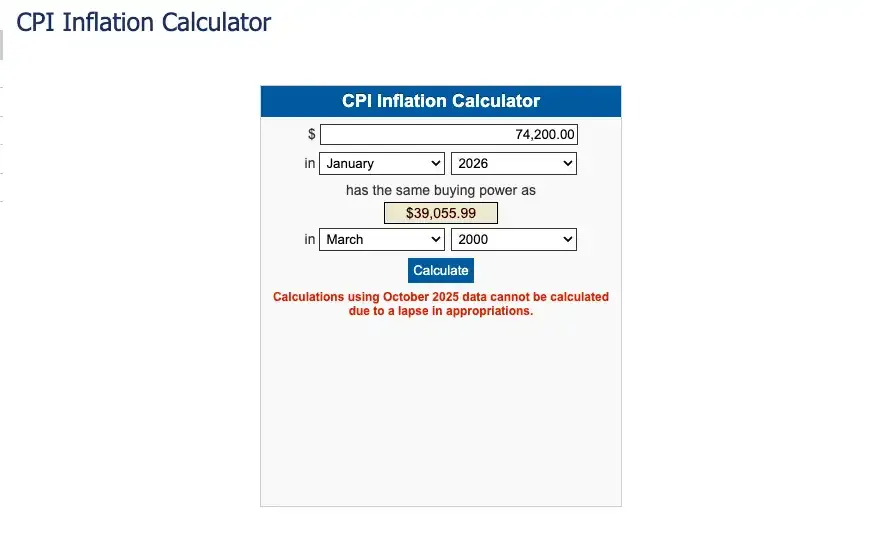
These shocking numbers, and the fact that a lot of work is done outside of the classroom (e.g. preparing materials for future lessons), prove that in a modern world, teachers aren’t just overworked but are also underpaid. That being said, selling lesson plans and other educational resources is more than just a hobby. It’s an excellent way to earn extra money for work you’re going to do anyway.

But here’s another question:
Will somebody buy what you have to offer?
Considering that there are tons of examples of teachers who earn good money online, the answer is yes.
For example, this USA Today article tells the story of Jen Regan who’s managed to sell $100 000 worth of lesson plans. In fact, she became so good at it that she could quit teaching altogether, and devote her life to helping other teachers with her blog called Two Little Birds. Impressive, right?
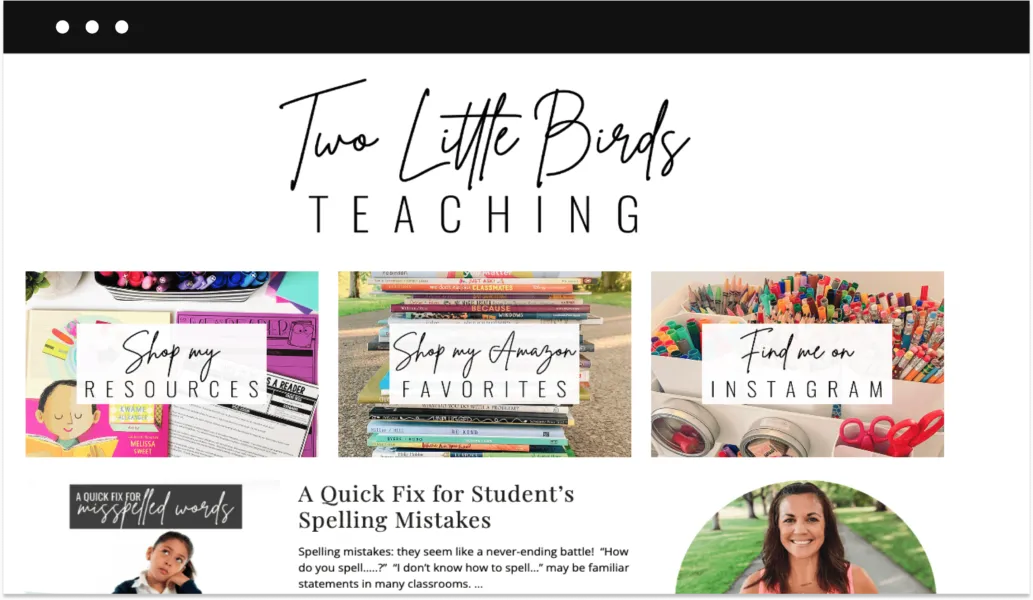
For years Jen’s been spending five days a week teaching four-graders, and then several hours outside school creating, buying, and downloading curriculum materials online. One day she decided to share lesson plans that she had created on a platform called Teachers Pay Teachers. And that’s how she began her career as a “teacherpreneur”.
Here's another example:
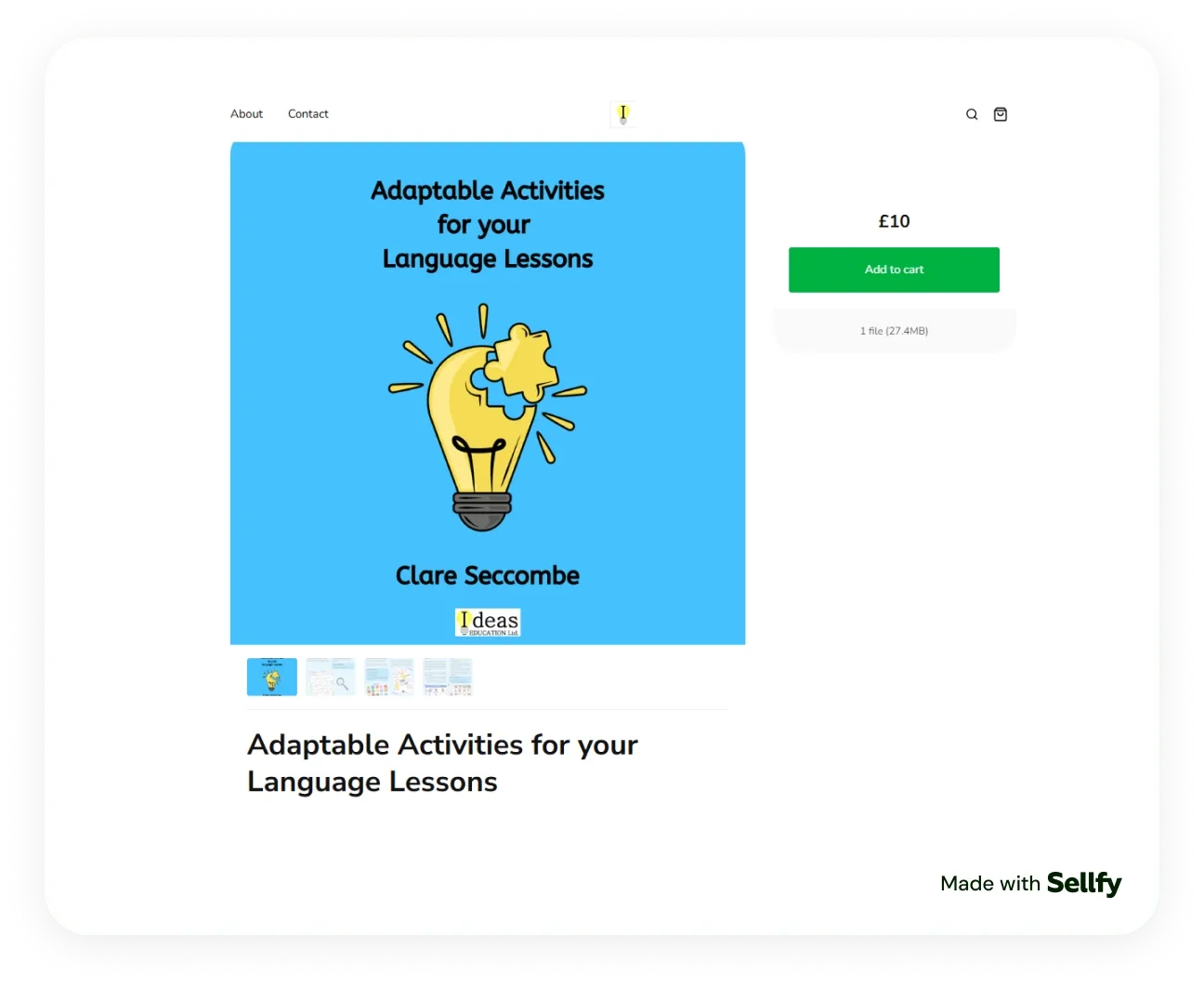
One of our creators, Ideas Education, sells digital products like “Adaptable Activities for your Language Lessons” packs through a Sellfy store, using a simple “one file, clear outcome” setup.
Jen got her start on Teachers Pay Teachers, and it’s still where a lot of teachers begin.
Teachers Pay Teachers is a marketplace that allows its users to sell lesson plans, activities, worksheets, etc. While it appears to be a great place designed specifically for teachers, the site takes a big cut of every sale, and it’s so crowded that your work can get buried under pages of resources from other teachers.
Let me tell you one thing:
While TPT is an option worth considering, it’s far from being the only one out there. There are many better ways to sell your teaching resources online, without extra commission. I’ll break down the exact 2026 numbers, TPT’s included, a bit later on.
Apart from the success stories, it’s also important to note that the demand for lesson plans and other educational materials remains at a high level.
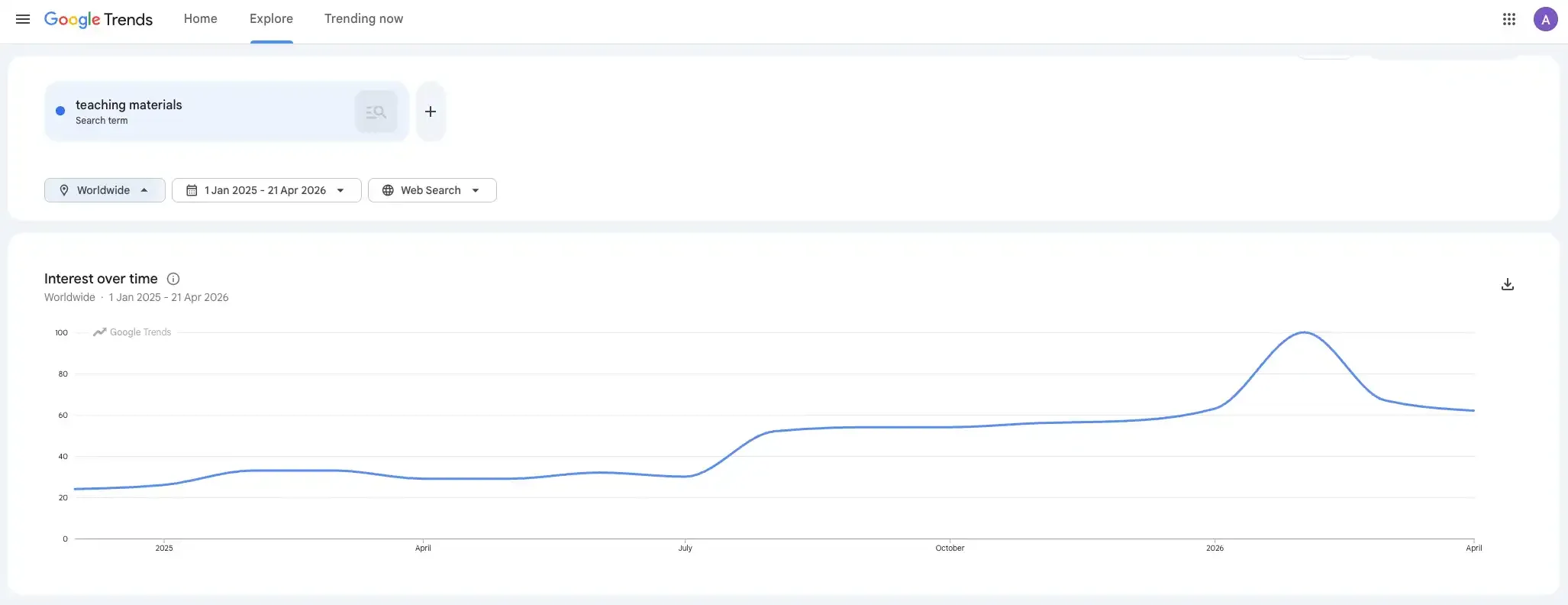
As you can see, search volume for the term “teaching materials” has been consistently high for the last couple of years. So, if you’re still wondering if you should start selling teaching materials, my answer is: absolutely, the market is clearly there.
Your resources could be exactly what other teachers are looking for—don’t let them sit in a folder on your desktop and gather (virtual) dust!
How to create teaching resources that sell
It isn’t a secret that you can find tons of free resources online. So there’s only one reason for teachers to spend their hard-earned money on buying from you: quality.
Choosing the right products to sell is crucial if you want to become successful. To give you some ideas, here’s a list of the best-selling educational materials in 2026:
- Lesson plans
- Video lessons
- Worksheets
- Syllabi
- Study guides
- Lecture presentations
- Exams, quizzes, tests
- Task cards
- Outlines
- Graphic organizers
- Games
- Posters and bulletin board ideas
But how do you choose the right product?
You don’t have to go all in. Unless you don’t spend the bigger part of your day teaching, there’s no way you’d have time to focus on more than a few products at a time. Even one product could be enough if the content is worth its price. Instead, think of a niche you could fill in the market.
Is there a particular type of material you always struggle to find online? The chances that other teachers have the same issue are really high. Or, maybe, there’s something you’d never even think of downloading because you could create a much better version yourself.
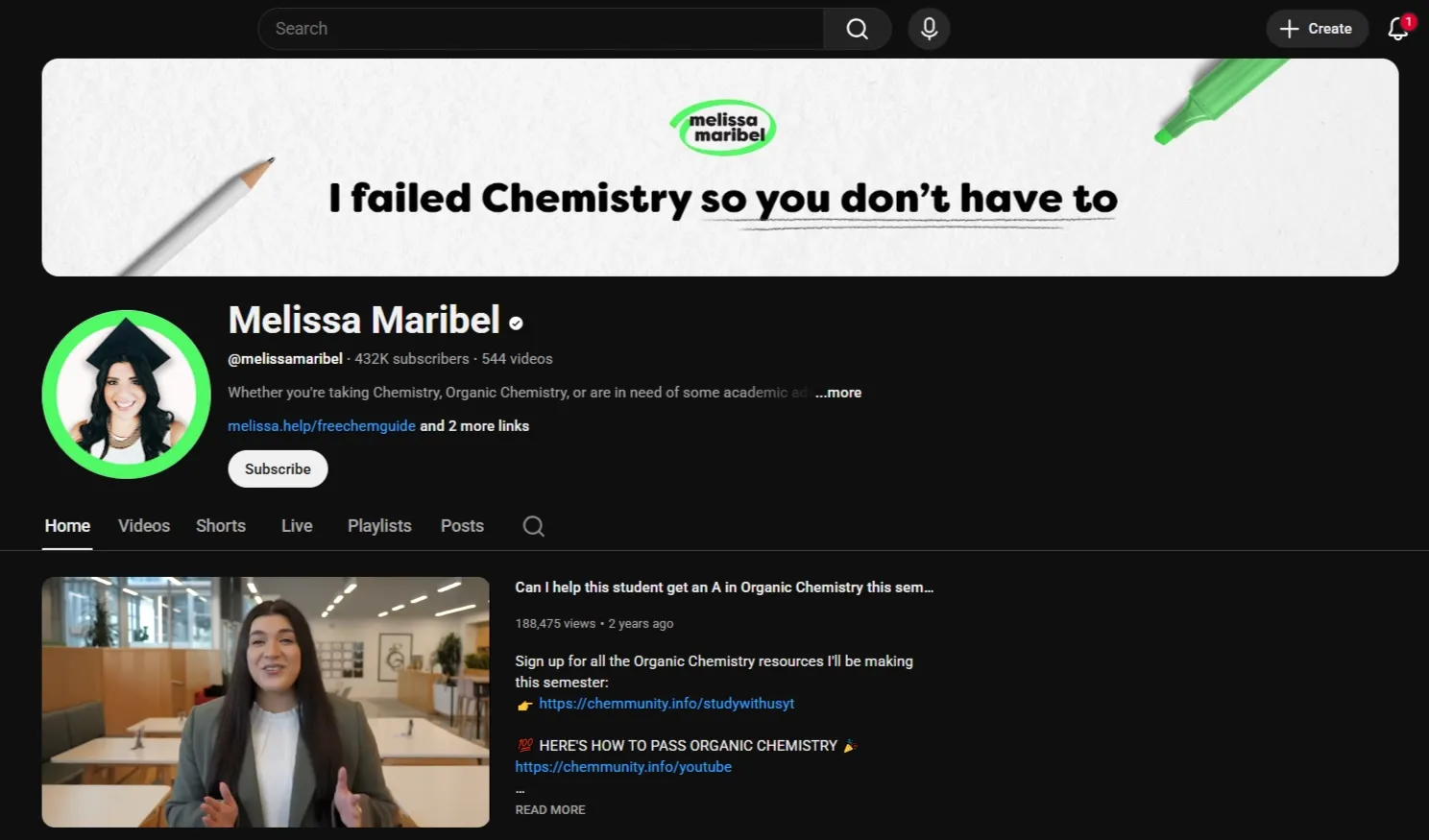
For example, Sellfy creator Melissa Maribel teaches chemistry on YouTube and sells digital learning materials through her Sellfy store.
And you don’t have to stop there:
You can actually offer so much more than lesson plans and worksheets. Check out this great article on 30 Side Hustles and Second Jobs for Teachers.
The key takeaway? Create what you are passionate about!
However, you must also keep in mind that people are only ready to pull out their credit cards if the product is worth the price. In other words, you have to set the bar high with the educational materials you’re creating.
A study from the RAND Corporation shows that 98% of secondary math teachers and 96% of secondary English language teachers were using materials that they had either developed or selected themselves due to the lack of published resources and their low quality.
So, the question is:
How to create a top-notch resource that’s better than the one you can download for free?
That’s when your creativity comes in. There are no unified guidelines for crafting lesson plans that sell like hotcakes.
But let me tell you one thing:
Robust, creative, practical, and well-designed resources are always in high demand. That’s why you should always make them visually appealing, rigorous, and try to keep them in line with CCSS and academic standards.
Luckily, there are a lot of tools out there that can help you create unique and professional teaching materials. Let’s take a look at some of the best ones:
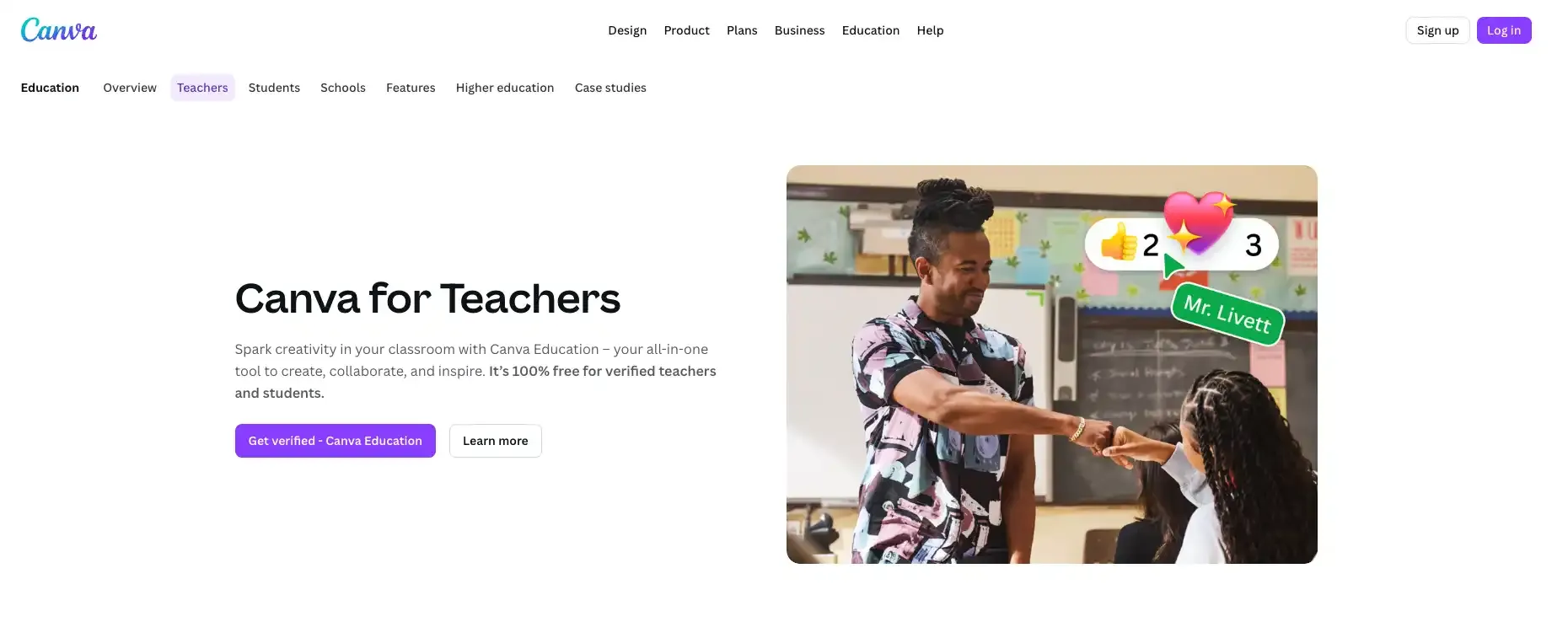
- Canva has become an absolute favorite among many teachers. It offers all kinds of templates: PDF worksheets, flashcards, board games, infographics, posters, and so much more. You should also check their step-by-step guide on creating an engaging lesson plan. The best part is that Canva is now officially free for all educators which means you get access to all Canva Premium features on your free account.
- Powtoon is an amazing tool for creating your own animated presentations. It has plenty of templates and elements to choose from and lets you add a background music track or a voiceover for your slides. Powtoon is very easy to use with its drag-and-drop feature and an intuitive interface (for those of you used to PowerPoint, Powtoon will seem like its cooler version). You’ll have every tool you need for editing the animation using tons of fun effects.
- Adobe Express for Education (formerly Adobe Spark) is another handy tool for creating teaching resources, with thousands of ready-to-use templates and a free plan for K-12 educators and students. They also have a ton of fantastic stuff in the Adobe Education Exchange: examples of content created by both teachers and students, plus tips and mini-courses on how to best use Adobe Express in your classroom!
Where to sell lesson plans
So you’ve created something teachers would actually pay for. Now you need somewhere to sell it.
You’ve got three options: a teacher marketplace like Teachers Pay Teachers, a general marketplace like Etsy, or your very own online store (like Sellfy).
Each one comes with a trade-off. Marketplaces hand you a ready-made audience, but they take a slice of every sale and keep your customers for themselves. Your own store charges zero commission, and those buyers are yours to keep. The only catch is that you’ll have to bring the traffic yourself.
Here’s how the three stack up (all fees double-checked for 2026):
| Platform | Fees on each sale | Audience and reach | What you keep and own |
| Teachers Pay Teachers | Basic: $29 one-time fee, keep 55% (TPT takes 45%) plus 30¢ per resource. Premium: $59.95/year, keep 80% (TPT takes 20%). | Large, teacher-specific audience, but very crowded. | TPT owns the customer relationship; you rent the audience. |
| Etsy | $0.20 listing fee, 6.5% transaction fee, plus 3% + $0.25 payment processing. Offsite Ads add 12-15% when they trigger. | Broad shopper base, not teacher-focused. | Etsy owns the buyer; limited branding. |
| Your own store (Sellfy) | 0% commission. Plans start at about $22/month billed yearly (covers up to $10K in sales per year; larger plans lift the cap), plus standard PayPal or Stripe processing (about 2.9% + 30¢, which every platform charges). | No built-in audience, so you drive the traffic. | You keep close to 100% after processing, and you own your customers, email list, and brand. |
Now, the math is worth doing before you commit. Against a TPT Premium account ($59.95 a year plus 20% of every sale), a $22/month store breaks even at roughly $1,200 in annual sales, or about $100 a month. Below that, TPT genuinely costs you less. Above it, your own store pulls ahead fast, and the gap widens with every sale you make.
And if it’s Etsy you’re weighing up, we’ve compared it against the other options for digital sellers in our guide to Etsy alternatives.
Is Teachers Pay Teachers worth it?
It depends on what you’re after.
If you want reach, TPT is hard to beat. Few places put your work in front of so many teachers at once. But that reach comes at a price. TPT takes anywhere from 20% to 45% of every sale, it’s crowded, and it owns the customer relationship, so you can’t email your buyers or build a brand of your own.
And here’s something that surprises a lot of people: you don’t have to be a certified (or even current) teacher to sell on TPT. Anyone can open a seller account. Classroom experience just helps you create the kind of resources teachers are actually hunting for.
The savviest sellers treat TPT as a discovery channel and run their own store as home base. That way you keep close to 100% of every sale, get paid instantly, and own your audience, so you can sell to the same happy customers again and again.
Setting up a store of your own is easier than you’d think.
How to sell lesson plans with Sellfy?
Why should you choose Sellfy?
Sellfy was specifically designed for people who are willing to start selling online but don’t have time to figure out complicated setups. It’s an affordable all-in-one eCommerce solution that doesn’t charge any commission or any other hidden fees.
The best part? Instant payouts. Yes, you’ll get paid literally the moment a customer has purchased your product.
Anyone who has a device with internet access and a few minutes of time can build a store on Sellfy and start selling lesson plans and other teaching resources today.
Here’s how:
Step 1: Set up an account.
All you need to start using Sellfy is a valid email address. Start with a 14-day free trial to give it a try and see if it fits all your needs before you subscribe to one of three Sellfy subscription plans.
Step 2: Add your products.
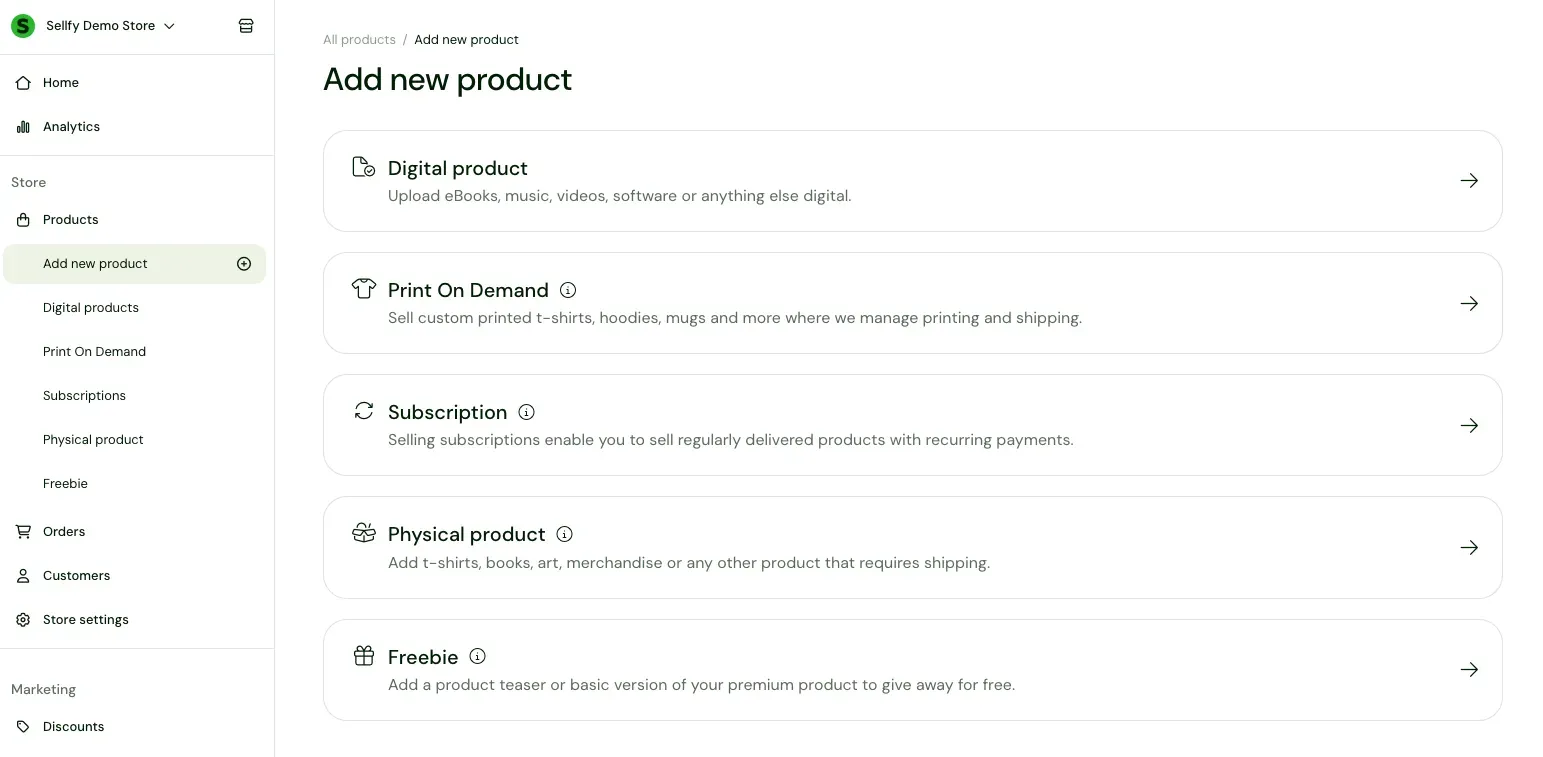
Once you’ve created an account and your email address verified, it’s time you add your products to the store. All you have to do is find the Products section on your Dashboard, go to Digital products, and click on Add new product.
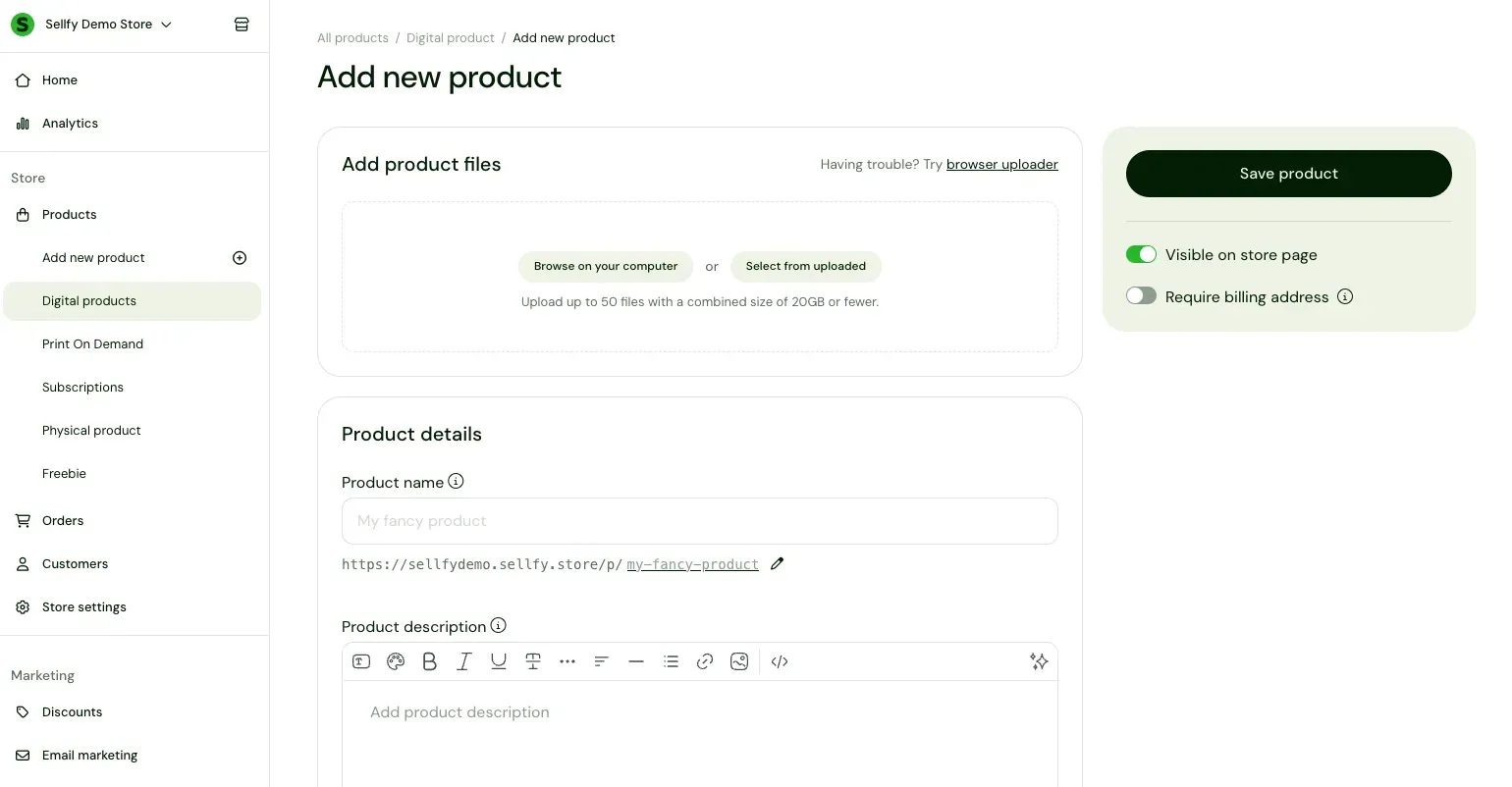
Upload your lesson plans, worksheets, task cards, study guides, or whatever you want to sell. Add product images and some info in the Product description section, so that your customers know what exactly they’re buying. Once you’re finished, hit Save product, and it’s done!
Step 3: Set a price
It may come as a surprise, but figuring out the value of your lesson plan can be quite challenging.
When making price decisions, consider factors such as product size, usefulness, and the amount of time saved by the buyer. And, of course, you should also check out the prices your competitor put on their products.
So far, on average, the price can go from around $2-3 for an exercise or worksheet bundle up to $30 for lengthy workbooks and manuals.
You deserve to be compensated for a quality product. Underpricing may seem like a good idea to attract a customer base, but people might equate low prices with poor quality, and underpricing is not good for the “teacherpreneur” community. Instead, try offering some freebies, so your customers could see and test them out before they actually buy something.
Step 4: Customize your store.
With Sellfy you can make your store look exactly the way you want it to.
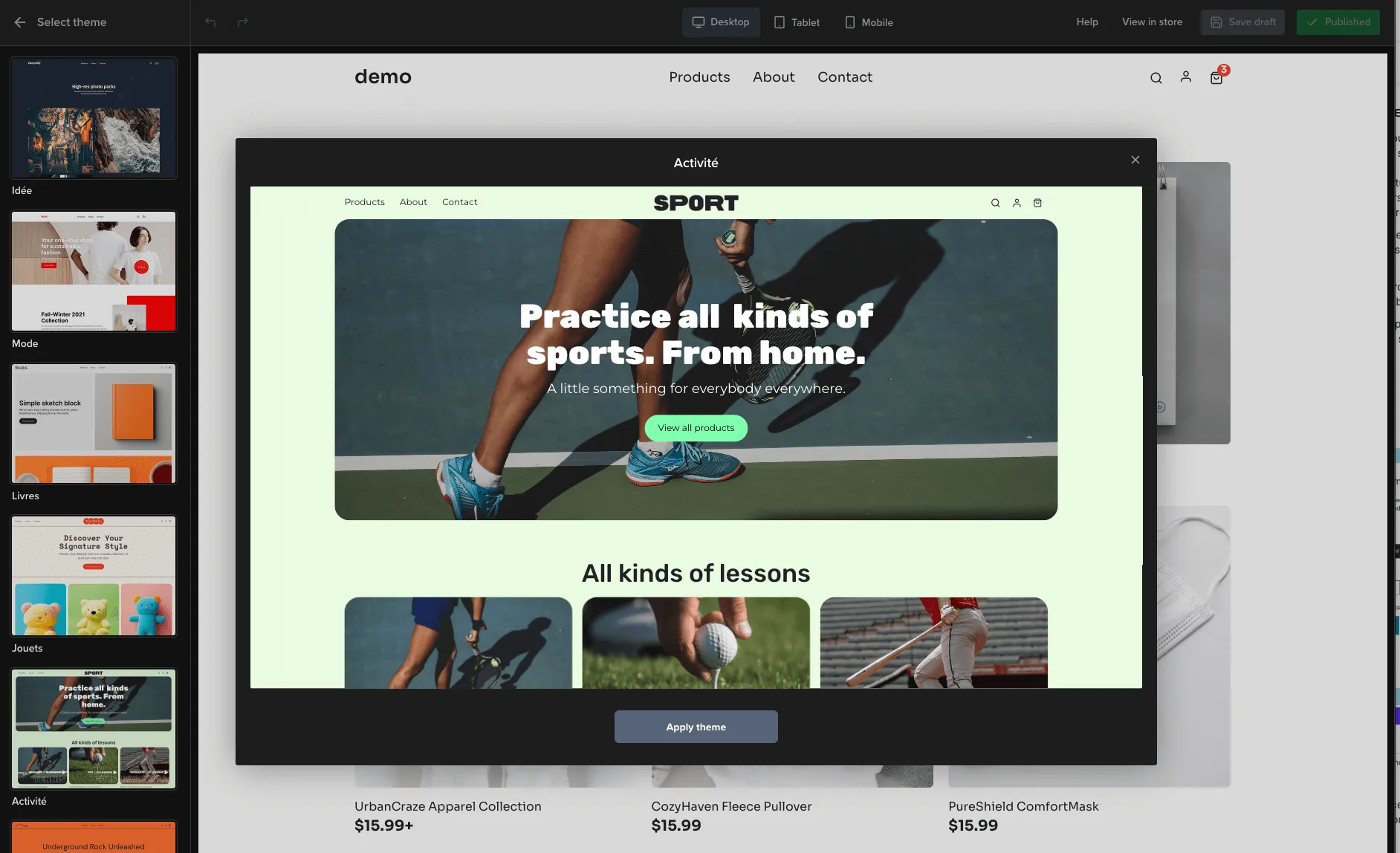
You can customize just about every aspect of your store—from product pages and navigation to text color and the shape of Buy now buttons. You can also choose the layout style of your store page, the number of products per page, and oh-so-much more.
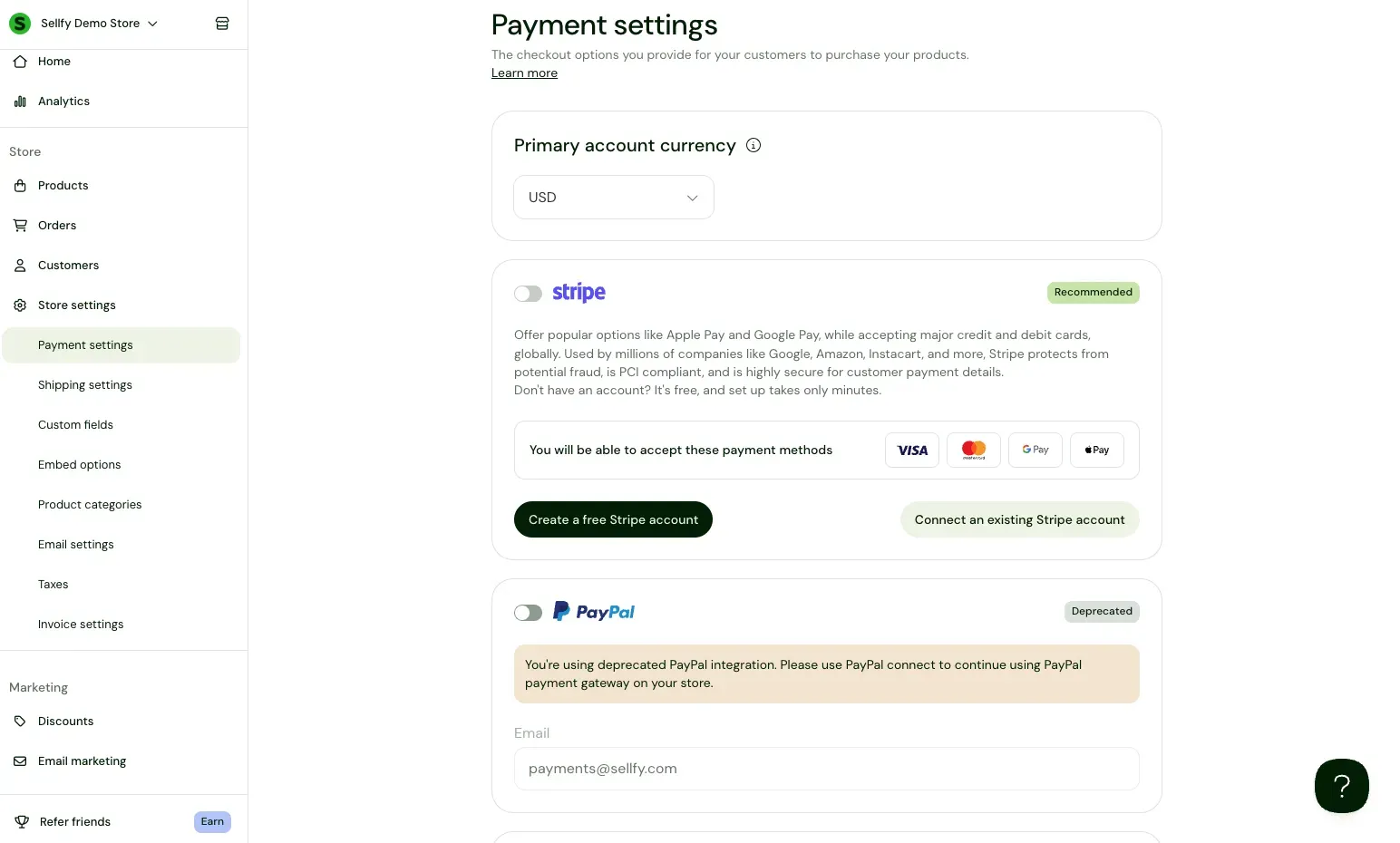
Step 5: Add payment options.
Sellfy lets you easily accept payments from all over the world in a variety of currencies. There are two available options: PayPal and Stripe (for card payments.)
- To accept payments through PayPal, just go to Payment options and type in the email address you use for PayPal.
- To accept card payments, you’ll need a Stripe account first, and then connect it to your store under Store settings > Payment settings. Our getting started guide walks you through both payment methods step by step.
Summing it up
Thank you for sticking with me ‘till the end of this journey!
I hope today’s article gave you enough confidence to start creating and selling teaching materials.
If you still have some doubts, think about this:
You can really help other teachers save their valuable time and also help their students learn and progress more quickly. It’s never too late to transform your passion into a way of helping others (plus the extra money ain’t too bad either).
FAQ: How to sell lesson plans
Where can I sell lesson plans?
You’ve got three main options: teacher marketplaces like Teachers Pay Teachers, general marketplaces like Etsy, or your own online store built with a platform like Sellfy. Marketplaces bring built-in traffic, but they take a cut and keep your customers. Your own store charges 0% commission and lets you keep the audience for yourself.
Do you have to be a teacher to sell on Teachers Pay Teachers?
Nope. You don’t have to be a certified or current teacher to sell on TPT. Anyone can open a seller account. That said, classroom experience (or a solid grasp of curriculum standards) is a real advantage, because it helps you create the kind of resources other teachers are happy to pay for.
Is selling on Teachers Pay Teachers worth it?
It can be, if you’re after reach. Few places put your work in front of so many teachers. The catch is the cost: TPT takes 20% to 45% of every sale and owns the customer. That’s why plenty of sellers use TPT to get discovered, then run their own store to keep more of each sale.
Can you make money selling lesson plans?
Yes, and some teachers make a lot. Jen Regan, for example, sold over $100,000 worth of lesson plans and left the classroom to do it full time. Your results depend on quality, niche, pricing, and where you sell, but the demand is absolutely there. It’s real money for work you’re doing anyway.
How much do lesson plans sell for?
It varies. A single worksheet or short exercise bundle usually goes for around $2 to $3, while lengthy workbooks and manuals can reach $30 or more. Price by the value (and the time) you save the buyer, not just page count. And offer a freebie first so people can see the quality before they pay.
How do I start selling my teaching resources?
Start by polishing your best materials until they’re genuinely useful to other teachers. Then pick where to sell (a marketplace, your own store, or both) and set everything up: upload your resources, write clear descriptions, and set fair prices. From there, it’s all promotion: social media, teacher communities, and your own email list.
How can I make an extra $1,000 a month as a teacher?
Selling the digital resources you already create is one of the most realistic paths. At $25 a bundle through your own store, where you keep close to 100% of each sale, that’s about 40 sales a month. On TPT, where the cut is 20% to 45%, you’d need 50 to 75 sales for the same take-home. Consistent promotion and repeat buyers are what turn it into steady income.

Tips & Tricks

Tips for creators
Join thousands of creators receiving sales tips, marketing resources, and inspiring stories. No spam, pure value.